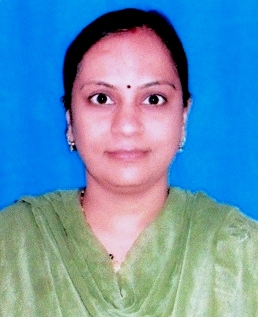
manisha Ashish Rathi

@dpu.edu.in

Professor, Physiotherapy
Dr. D. Y. Patil College of Physiotherapy, Dr. D. Y. Patil Vidyapeeth, Pune

EDUCATION

Ph.D. , M. Ph. T.

RESEARCH INTERESTS

Obesity, Balance, Geriatrics, Women's Health, Fitness
23

Scopus Publications

266

Scholar Citations

8

Scholar h-index

7

Scholar i10-index

Scopus Publications

  • Effect of temporomandibular joint exercises on mechanical low back pain: a preliminary randomized controlled study
    Manisha Rathi, Namrata Mali, Preeti Gazbare, Reema Joshi, Roopa Desai
    BMC Musculoskeletal Disorders, 2026
    Abstract Background Low back pain and temporomandibular Dysfunction (TMD) have a coexistence in clinical practice. To find the effect of temporomandibular exercises (TME) along with conventional physiotherapy in patients with mechanical low back pain on Pain, mobility and Disability. Methods In this randomized controlled trial, 25 participants with low back pain randomly assigned into two groups. Group A Received Conventional physiotherapy (Control group, n = 13) and Group B received conventional physiotherapy with TME (experimental group, n = 12) for 4 times/week for 2 weeks. Pain, Range of motion of Lumbar spine, and Oswestry disability index were assessed before and after the interventions in both groups. Statistical analysis was done considering 95% CI. Results Within groups analysis showed significant improvement on pain, lumbar ranges and disability (p < 0.001). When both groups were compared with each other, it showed statistically significant improvement in pain at activity and all lumbar spine ranges except lumbar extension (p = 0.3) more in group A than B. Whereas pain at rest (p = 0.65), and disability (p = 0.26) showed non-significant differences between two groups. Conclusion Participants having mechanical low back pain showed better results on pain an activity and range of motion when temporomandibular exercises were given along with conventional exercises. Hence patients with mechanical low back pain need to be assessed for TMD and its correction exercises can be added as routine treatment protocol. Further study is needed to make this generalized with larger samples. Trial registration This study was also registered under Clinical Trial Registry of India with the Registration number CTRI/2020/11/028982, registered on 09/11/2020.
  • Effect of Balance Enhanced Exercise Program (BEEP) on Balance, Balance Confidence, and Nerve Conduction Velocity in Patients with Diabetic Peripheral Neuropathy
    Preeti S Gazbare, Sharvari K Samant, Manisha Rathi, Tushar J Palekar
    Neurology India, 2026
    Background: Type 2 diabetes mellitus (DM) accounts for the majority (&gt;85%) of all DM cases; these patients have a higher risk of complications and a greater chance of acquiring chronic microvascular diseases, including diabetic neuropathy. It negatively affects the nerve function, leading to altered balance and posture, which demands a protocol to help improve both. Objectives: To study the effect of BEEP on balance, balance confidence, Nerve conduction velocity (NCV) and quality of life using limits of stability (LOS), the modified Clinical Test on Sensory Interaction of Balance (m-CTSIB), Activities-Specific Balance Confidence (ABC) Scale, Nerve conduction study (NCS) and the Short Form-36 (SF-36) questionnaire, respectively. Materials and Methods: The randomized controlled trial was approved by the institutional ethics committee, and informed consent was taken from all the subjects. Eighty-three individuals with diabetes, aged 40–65 years, were screened for diabetic peripheral neuropathy (DPN) using the Michigan Neuropathy Screening Instrument Questionnaire (MNSIQ) and for the risk of falling using the Berg Balance Scale (BBS), and 52 were included. They were randomly allocated by the chit method, and both groups received 3 weeks of intervention. Group A received the BEEP and conventional treatment, and group B received conventional treatment. The outcome measures taken pre- and post-intervention were the LOS, m-CTSIB, ABC scale, NCS, and SF-36 questionnaire. Results: We evaluated 53.84% females and 46.15% males with a mean age of 53 years. Paired t-test and independent t-test were applied for within-group and between-group analysis, respectively. There was a statistically significant difference seen within group A with P &lt; 0.05 for LOS, CTSIB, ABC, NCS, and SF-36. A similar finding was seen in group B, except for NCS ( P &gt; 0.05). The between-group comparison showed a significant difference of P &lt; 0.05, which indicated better improvement in group A in all the outcome measures. Conclusion: BEEP has a significant effect on balance, balance confidence, and nerve conduction velocity in patients with DPN. Hence, it can be implemented in the treatment of DPN.
  • Effect of mini-trampoline exercises on body composition, reaction time and motor proficiency in overweight and obese adolescents – a randomised controlled trial
    Manisha Rathi, Reema Joshi, Pinal Vilas Munot
    Physiotherapy Quarterly, 2026
    Introduction Mini-trampoline exercises are low-impact and enjoyable, making them particularly suitable for adolescents, so they are unaware of the effort they are exerting. This study sought to assess the impact of mini-trampoline exercises on body composition, reaction and motor proficiency in overweight and obese adolescents with a sedentary lifestyle. Methods A randomised controlled trial was conducted on 36 overweight and obese adolescents aged 15–19 years with a sedentary lifestyle who scored 1 or 2 on the PAQ-A and had a BMI above the 85th percentile. Participants were divided randomly into two groups of equal size, labelled as groups A and B. Group A carried out mini-trampoline exercises three times weekly on non-consecutive days for four weeks; each session lasted for 40 min and included dietary counselling. Group B was given only dietary counselling. Outcome measures such as body composition were evaluated using BMI, reaction time using the Deary-Liewald reaction time task and motor proficiency using the BOT-2. Outcome measures were assessed at baseline and post 4 weeks. Results Mini-trampoline exercises showed significant decreases in BMI (group A = 0.18 ± 2.08, group B = 0.04 ± 0.52) and reaction time (group A = 0.06 ± 0.03, group B = 0.01 ± 0.03), and improvement in motor proficiency (group A = 10.89 ± 4.57, group B = 2.89 ± 4.48), when comparing group A with group B. Conclusions Mini-trampoline exercises are an effective form of exercise for reducing body composition, reaction time and enhancing motor proficiency in overweight and obese adolescents. Therefore, mini-trampoline exercises can be inculcated as a recreational activity to promote physical fitness, reaction time and motor proficiency in adolescents.
  • Effect of yoga therapy versus treadmill walking on insomnolence and quality of life in perimenopausal females
    Manisha Rathi, Sakshi Ajit Pandit, Reema Joshi
    Physiotherapy Quarterly, 2026
    Introduction The purpose of this study was to evaluate how yoga therapy and treadmill walking affected the quality of life and sleep difficulties experienced by perimenopausal females. Methods A clinical trial was conducted to compare the effects of yoga therapy (&lt;i&gt;n&lt;/i&gt; = 20) and treadmill walking (&lt;i&gt;n&lt;/i&gt; = 20) on insomnolence and quality of life. It was a 6-week study where the intervention was given for 5 days per week. The Pittsburgh Sleep Quality Index (PSQI) and Insomnia Severity Index (ISI)were used to assess the sleep quality, whereas the Menopause Rating Scale (MRS) and Menopause Specific Quality of Life Questionnaire (MENQOL) were used to assess the quality of life. The outcome measures were assessed at baseline and post 6 weeks of intervention. Results The within-group analysis showed a significant difference in the outcome measures of both interventions. For the between-group analyses, PSQI did not show a statistically significant difference in either of the groups, whereas ISI (&lt;i&gt;p&lt;/i&gt; = 0.0001) (9.45 ± 1.35), MRS (&lt;i&gt;p&lt;/i&gt; = 0.01) (7.8 ± 1.81), and MENQOL (&lt;i&gt;p&lt;/i&gt; = 0.002) (16.7 ± 4.3) showed statistically significant differences in both the groups, with yoga therapy having the higher mean difference compared to the treadmill walking group. Conclusions According to the study’s findings, perimenopausal females’ sleep patterns and overall quality of life improved more in the yoga treatment group than in the treadmill walking group. Thus, yoga therapy can be utilised to alleviate insomnolence and enhance perimenopausal females’ quality of life.
  • Effect of Virtual Reality Training on Balance in Healthy Elderly Individuals: A Pilot Interventional Study
    Swati BHISE, Zafar AZEEM, Rachana DABADGHAV, Tushar PALEKAR, Manisha RATHI, Praveen KUMAR, Sachin KADAM, Apurva JADHAV
    Archives of Health Science and Research, 2026
    Objective: Falls in the elderly are significantly linked with morbidity, mortality, and healthcare costs; hence, it is important to treat the balance deficits in these older adults. In recent times, virtual reality (VR) has developed rapidly and is a promising tool in rehabilitation. However, research on virtual reality training (VRT) programs lacks methodological consistency, and their interventions and outcomes have produced contradictory results. Furthermore, there is a significant research deficit in the benefits of VRT, notably on balance in older persons in the Indian population. Hence, the current pilot study was done to see the effect of VRT on balance in older adults using the Balance Evaluation Systems Test (BESTest) scale. Hence, the objective of this study was to find the effect of VRT on balance in the elderly.Methods: The study was conducted in a Tertiary hospital and geriatric centre, Pune, India. The study duration was from December 2020 to January 2022. A pretest-posttest study was conducted with 30 healthy participants aged 65-85 years. They were divided into 2 groups, 15 in each group: control and experimental. Both groups received 30 minutes of conventional balance treatment, and the experimental group additionally received 10 minutes of VRT. A pre-assessment was conducted using BESTest (Balance Evaluation Systems Test) for both groups on day 1, followed by the intervention, and a post-assessment was conducted after 4 weeks. The intervention was given 3 times a week for 4 weeks.Results: The mean age of the participants was 69.66 ± 5.67 in the VRT group and 71.2 ± 5.12 in the control group. Statistical analysis showed a significant difference in the BESTest scores in both groups after intervention P < .05). There was a significant difference in the BESTest scores when compared between the groups. This shows that VRT substantially improved balance in the elderly.Cite this article as: Bhise S, Azeem Z, Dabadghav R, et al. Effect of virtual reality training on balance in healthy elderly individuals: A pilot interventional study. Arch Health Sci Res. 2026, 13, 0051, doi: 10.5152/ArcHealthSciRes.2026.25051.
  • Indian (Marathi) version of the Patient-Rated Tennis Elbow Questionnaire (PRTEE): Translation and validation in patients with lateral Epicondylalgia
    Kiran Jeswani, Manisha Rathi
    Journal of Bodywork and Movement Therapies, 2025
  • Effect of Ankle Neuromuscular Exercises and Mat Exercises on Chronic Ankle Instability and Balance in Overweight and Obese Individuals
    Mansi Bhatt, Mayuri Shah, Manisha Rathi
    Foot and Ankle Specialist, 2025
    Background Chronic ankle instability (CAI) is characterized by recurrent lateral instability, restricted mobility, and a heightened risk of degenerative osteoarthritis. Elevated BMI further exacerbates these challenges by increasing joint loading, impairing balance, and predisposing individuals to falls and re-injury. Persistent pain reinforces inactivity, perpetuating a cycle of functional decline. This study investigates the efficacy of mat exercises combined with ankle neuromuscular training in addressing ankle instability. Methods A parallel-arm randomized controlled trial was conducted with 36 overweight and obese individuals aged 21-40 with chronic ankle instability, selected through purposive sampling. Participants were randomly assigned to 2 groups. Group A performed a combination of mat exercises and ankle neuromuscular exercises, while group B performed only ankle neuromuscular exercises. The 4-week supervised intervention was conducted 5 days per week, with each session lasting 40 minutes. Outcome measures, including Cumberland Ankle Instability Tool (CAIT), Star Excursion Balance Test (SEBT), and body composition, were assessed at baseline, postintervention, and at an 8-week follow-up. Statistical analysis was done using repeated measures ANOVA for within-group comparisons, while a non-parametric test was used for between-group analysis. Results Out of 200 individuals screened, 36 met the inclusion criteria. Significant improvements were observed in both groups across all outcome measures (P &lt; .001). CAIT scores showed greater improvement in group A postintervention and at follow-up (P &lt; .0006, P &lt; .0004). BMI reduction was also more pronounced in group A (P &lt; .001). Balance improvements were significant in all directions, with group A showing superior gains in anterior, posterior, medial, lateral, anteromedial, anterolateral, posteromedial, and posterolateral directions (P &lt; .01). Group A demonstrated greater overall improvements, making the intervention statistically significant in Favor of combined mat and neuromuscular exercises. Conclusion The integration of mat and neuromuscular exercises markedly enhanced stability and BMI, underscoring their clinical utility in optimizing functional recovery in overweight individuals with chronic ankle instability. Levels of Evidence: Randomized Controlled Trial (RCT)
  • A systemic review and meta-analysis of the effect of virtual reality training on balance in the elderly to prevent falls
    , Swati Bhise, Manisha Rathi, , Madhura Shiralkar, , Rachana Dabadghav, , Tanmay Bagade, and
    European Journal of Clinical and Experimental Medicine, 2025
    Introduction and aim. Virtual reality (VR) is used in various healthcare treatments. This review evaluates virtual reality therapy (VRT) for balance rehabilitation to prevent falls in older adults. Material and methods. Randomised control trials from January 2013 to May 2024 were searched in databases like PubMed and Web of Science. Data were extracted and analysed using RevMan 5.4 software. Analysis of the literature. The review included 12 studies with an average of 56 participants aged 50-80 years. Treatments last ed 4–10 weeks with 2-5 sessions per week, each 30-60 minutes. Meta-analyses of five studies using the berg balance scale (BBS) showed a weak impact on balance (Z=2.07, p=0.04; SMD=1.05, 95% CI [0.06, 2.05], p&lt;0.0001). Conversely, the Timed Up and Go (TUG) test showed a more positive impact (Z=2.25, p=0.02; SMD=-0.74, 95% CI [-1.39, -0.09], p&lt;0.001), with a difference of 4.4 higher in the experimental group than the control group. Conclusion. VRT shows promising effects in balance and gait training for older adults, but further clinical trials are needed to compare its impact with other therapies.
  • Tele-rehabilitation versus supervised rehabilitation in patients with knee osteoarthritis: a single-blind study
    Manisha Rathi, Vanisha Steven, Zoha Belkar, Megha Bhandare, Riddhi Bhandari
    Asian Journal of Gerontology and Geriatrics, 2024
    Background.Osteoarthritis (OA) of the knee affects daily activities and quality of life among older adults.Tele-rehabilitation minimises barriers of distance, time, and cost.This study aimed to compare the effects of tele-rehabilitation and supervised rehabilitation on balance, physical function, and disability among patients with knee OA.Methods: Patients aged 40 years with grade 2 or 3 knee OA and impaired balance and moderate knee pain were recruited from Dr DY Patil College of Physiotherapy, Pimpri Pune, India.Patients were randomly assigned to either a tele-rehabilitation (via Zoom) group or a supervised rehabilitation group; both groups received three rehabilitation sessions per week for 4 weeks.The exercise protocol consisted of mobility, stretching, and strengthening exercises for the affected lower limb, along with balance training.Patients were assessed before and after the intervention using the timed-up-and-go test (TUG) for balance, one-leg standing test for static balance, and Western Ontario and McMaster Universities Osteoarthritis Index (WOMAC) for pain, stiffness, and physical function. Results:Of 86 patients screened for eligibility, 30 were enrolled and randomly assigned to receive either tele-rehabilitation (n=15) or supervised rehabilitation (n=15).Finally, 28 participants completed the intervention (one dropout in each group).The two groups were comparable in terms of age, body mass index, pain intensity, and baseline outcomes in the TUG test, one-leg standing test, and WOMAC.After the intervention, both groups demonstrated significant improvements in all outcome measures, with the exception of the left-side one-leg standing test in the tele-rehabilitation group (p=0.483).Both groups had similar improvements in TUG test for balance (p=0.640),one-leg standing test for static balance (p=0.541 for right leg, p=0.764 for leftleg), and WOMAC for disability (p=0.837).Conclusions: Tele-rehabilitation and supervised rehabilitation have similar effects on improving balance, physical function, and disability in patients with knee OA.
  • Does Whole‑Body Vibration Training Along With Short Foot Exercises Influence Electrophysiological and Functional Activities in Patellofemoral Pain Syndrome? A Randomized Control Trial
    Roopa Rajendra Desai, Avanti Gaitonde, Manisha Rathi, Tushar J. Palekar
    Medical Journal of Dr D Y Patil Vidyapeeth, 2024
    Background: Whole body vibration (WBV) is an emerging technique that confirms its effectiveness in treating various conditions like stroke, post ACL reconstruction, and cerebral palsy. However, scientific findings regarding the efficacy of WBV training on inhibition of vastus medialis obliquus (VMO) that occurs in patellofemoral pain syndrome (PFPS) is lacking. The literature confirms the effectiveness of short foot exercises (SFEs) in reducing knee pain and its influence on valgus stress of the knee joint. This study investigated whether SFE on WBV can have an impact on recruitment and functioning of VMO. Objective: To study the effectiveness of SFE performed with and without WBV on VMO recruitment and functional activities in PFPS. Materials and Methods: Fifty-two subjects aged 20–40 years with PFPS were recruited and randomly allocated into two groups. Group 1 (n = 26) received SFE on WBV, whereas group 2 (n = 26) received SFE on a stationary platform. Both groups received treatment for 3 days a week for 4 weeks. Surface electromyography (sEMG) and the Kujala patellofemoral score (KPS) were measured before and after 4 weeks of treatment. Within group analysis was carried out using Wilcoxin matched pair test and Mann Whitney U test was used for intergroup analysis. Results: Wilcoxon signed ranks test revealed no significant differences in sEMG in both groups, whereas KPS showed significant improvements after 4 weeks of intervention (P &lt; .001). Mann–Whitney U test revealed a statistically significant difference in KPS between both groups, with a P value of 0.042. Conclusion: SFE with WBV as well as SFE alone improves functional activities in PFPS.
  • Core stabilization exercises versus yoga on feedforward activation of core muscles in chronic mechanical low back pain: An experimental study
    Roopa Desai, Manisha Rathi, Palak Agrawal, Tushar J. Palekar
    Journal of Bodywork and Movement Therapies, 2024
  • Effect of Otago Exercises versus Square-Stepping Exercises on Balance, Fall, and Functional Activities in Geriatric Individuals with Knee Osteoarthritis
    Divya Gohil, Ratnaprabha Chudiwal, Gaurang Baxi, Sanjivani Kamble, Manisha Rathi, Shweta Telang-Chaudhari, Tushar Palekar
    Medical Journal of Dr D Y Patil Vidyapeeth, 2024
  • Translation, cross-cultural adaptation, reliability, validation of King's Health Questionnaire in the Marathi language
    Reema Joshi, Manisha Rathi
    Indian Journal of Urology, 2024
  • Effect of yoga exercises on lung volumes, vital capacity, and attention span in school going students
    Reema Joshi, Manisha Rathi, Komal Preet Kaur
    Physiotherapy Quarterly, 2024
  • Effect of Pilates versus resistance training on physical fitness in older adults
    Manisha Ashish Rathi, Khushboo Muthiyan, Reema Joshi, Preeti Gazbare
    Aging Pathobiology and Therapeutics, 2024
  • Effectiveness of instrument assisted soft tissue mobilization versus foam rolling on trigger point release in calf muscles
    Amita Aggarwal, Nehal Agarwal, Manisha Rathi, Tushar J. Palekar
    Journal of Bodywork and Movement Therapies, 2024
  • Ultrasound in Bone Quality Screening: From the Perspective of Osteoporosis
    Sara Rosa de Sousa Andrade, Waldemar Naves do Amaral, Maria Rita de Sousa Silva, Manisha A. Rathi, Vinicius de Almeida Lima, Mayara Rios Leite Macedo
    Medical Journal of Dr D Y Patil Vidyapeeth, 2024
  • Efficacy of Vibrapole Abdominal Strengthening Exercises on Strength in Healthy Young Individuals: An Experimental Study
    Manisha Rathi, Preeti Gazbare, Nirali Ruparel
    Journal of Health Science and Medical Research, 2023
  • Effect of myofascial cupping vs integrated neuromuscular inhibition techniques on pain and neck movement in individuals with latent trigger point in trapezius
    Preeti Gazbare, Manisha Rathi, Dhanashree Channe
    Hong Kong Physiotherapy Journal, 2023
  • Effect of Yogasanas Versus Gaze Stability and Habituation Exercises on Dizziness in Vestibular Dysfunction
    Preeti Gazbare, Namrata Rawtani, Manisha Rathi, T. Palekar
    Neurology India, 2021
  • Instrument assisted soft tissue mobilization in adhesive capsulitis: A randomized clinical trial
    Amita Aggarwal, Kritika Saxena, Tushar J. Palekar, Manisha Rathi
    Journal of Bodywork and Movement Therapies, 2021
  • Lung functions and quality of life in flour millworkers - a cross sectional study
    International Journal of Pharma and Bio Sciences, 2016
  • Comparison of ultrasound and ischaemic compression on latent trigger point in upper trapezius
    International Journal of Pharma and Bio Sciences, 2014

RECENT SCHOLAR PUBLICATIONS

  • Effect of Nordic walking versus retro walking on balance, physical fitness, and quality of life in young-old individuals: A comparative study
    Y Shah, MP Deshmukh, M Rathi
    Aging Medicine and Healthcare 17 (2), 103-110 , 2026
    2026
  • Effect of temporomandibular joint exercises on mechanical low back pain: a preliminary randomized controlled study
    M Rathi, N Mali, P Gazbare, R Joshi, R Desai
    BMC Musculoskeletal Disorders , 2026
    2026
  • Effect of yoga therapy versus treadmill walking on insomnolence and quality of life in perimenopausal females
    M Rathi, SA Pandit, R Joshi
    Physiotherapy Quarterly 34 (1), 92-97 , 2026
    2026
  • Effect of Balance Enhanced Exercise Program (BEEP) on Balance, Balance Confidence, and Nerve Conduction Velocity in Patients with Diabetic Peripheral Neuropathy
    PS Gazbare, SK Samant, M Rathi, TJ Palekar
    Neurology India 74 (2), 261-267 , 2026
    2026
  • Investigating the Impact of Physical Exercise on dual benefit of Children’s wellbeing during COVID-19: An Experimental Approach
    SS Joshi, NS Naik, M Rathi, P Gazbare
    AIJFR-Advanced International Journal for Research 7 (1) , 2026
    2026
  • Prevalence of inadequately corrected refractive error among spectacle-wearing school children in Northern India
    M Dahiya, M Rathi, AK Morya, S Sachdeva, R Dabas, S Hooda
    Indian Journal of Ophthalmology, 10.4103 , 2026
    2026
  • Effect of mini-trampoline exercises on body composition, reaction time and motor proficiency in overweight and obese adolescents–a randomised controlled trial
    M Rathi, R Joshi, PV Munot
    Physiotherapy Quarterly 34 (1), 31-36 , 2026
    2026
  • Effect of Ankle Neuromuscular Exercises and Mat Exercises on Chronic Ankle Instability and Balance in Overweight and Obese Individuals
    M Bhatt, M Shah, M Rathi
    Foot & ankle specialist, 19386400251371136 , 2025
    2025
    Citations: 3
  • Indian (Marathi) version of the Patient-Rated Tennis Elbow Questionnaire (PRTEE): Translation and validation in patients with lateral Epicondylalgia
    K Jeswani, M Rathi
    Journal of Bodywork and Movement Therapies 43, 196-200 , 2025
    2025
  • Stepping toward Better Health: A Scoping Review of Nordic Walking Benefits
    Y Shah, M Deshmukh, M Rathi
    Archives of Medicine and Health Sciences 13 (2), 246-251 , 2025
    2025
  • Does Nordic walking enhance quality-of-life more than retro walking in young-old adults? A comparative study
    Y Shah, M Deshmukh, M Rathi
    Physiotherapy Practice and Research, 22130683261419632 , 2025
    2025
  • A STUDY TO FIND OUT THE DIFFERENCE BETWEEN INTERNAL & EXTERNAL ROTATION ROM OF GLENOHUMERAL JOINT IN SPIN & FAST CRICKET BOWLERS-A CROSS-SECTIONAL STUDY
    PB Upadhyay, M Rathi, T Pandya, M Jadeja
    2025
  • EFFECTIVENESS OF MYOFACIAL RELEASE VS ULTRASOUND FOR PAIN RELIEF AND FUNCTIONAL IMPROVEMENT IN COMPUTER WORKERS WITH TRAPEZIUS MYALGIA
    DMR Dr. Jhanviben M dodiya, Dr. Mohammed Sohel Rashidmiya Quadri
    Indian Journal of Physical Therapy 6 (4), 443 - 450 , 2025
    2025
  • PREVALENCE OF PROLAPSED INTERVERTEBRAL DISC WITH LOW BACK PAIN IN CHEF - CROSS SECTIONAL STUDY
    DMR Dr. Saloni M kapadia, Dr. Tanuja pandya
    Indian Journal of Physical Therapy 6 (4), 423 - 434 , 2025
    2025
  • A COMPARATIVE ANALYSIS OF THE THERAPEUTIC EFFICACY OF INFRARED RADIATION (IRR) AND SHORTWAVE DIATHERMY (SWD) ON CHRONIC NECK PAIN AMONG OFFICE WORKERS IN GUJARAT
    AM Shah, M Rathi, T Pandya, J Vadra
    2025
  • Biomechanical Significance Of Mechanical Neck Pain Associated With Obesity: A Narrative Review .
    DD Zafar Azeem Author Chinmaya Kumar Patra, Tushar J. Palekar, Manisha Rathi ...
    International Journal of Environmental Sciences 11 (235), 2460-2472. , 2025
    2025
  • A STUDY TO FIND OUT THE DIFFERENCE BETWEEN INTERNAL & EXTERNAL ROTATION ROM OF GLENOHUMERAL JOINT IN SPIN & FAST CRICKET BOWLERS-A CROSS-SECTIONAL STUDY
    DMJ Dr. Pruthviben B Upadhyay, Dr. Manisha Rathi, Dr. Tanuja Pandya
    Indian Journal of Physical Therapy 6 (4), 191 - 199 , 2025
    2025
  • A COMPARATIVE ANALYSIS OF THE THERAPEUTIC EFFICACY OF INFRARED RADIATION (IRR) AND SHORTWAVE DIATHERMY (SWD) ON CHRONIC NECK PAIN AMONG OFFICE WORKERS IN GUJARAT
    DJV Dr. Anand Mukeshbhai Shah, Dr. Manisha Rathi, Dr. Tanuja Pandya
    Indian Journal of Physical Therapy 6 (4), 213 - 222 , 2025
    2025
  • THE EFFECTIVENESS OF KENDALL EXERCISE VERSUS SCAPULAR STABILIZATION EXERCISE PROGRAM ON PAIN, NECK ALIGNMENT AND FUNCTIONAL ACTIVITES IN SUBJECTS WITH FORWARD HEAD POSTURE: A …
    DBA Dr. Dhwani Patel, Dr. Manisha Rathi, Dr. Tanuja pandya
    Indian Journal of Physical Therapy 6 (4), 254 - 265 , 2025
    2025
  • EFFECTS OF TASK-ORIENTED TRAINING AND CORE EXERCISE TRAINING ON TRUNK CONTROL ABILITY AND BALANCE OF STROKE PATIENTS - A COMPARATIVE STUDY
    DNP Dr. Vishwa Bhatt, Dr. Manisha Rathi
    Indian Journal of Physical Therapy 6 (4), 295 - 307| , 2025
    2025

MOST CITED SCHOLAR PUBLICATIONS

  • Instrument assisted soft tissue mobilization in adhesive capsulitis: a randomized clinical trial
    A Aggarwal, K Saxena, TJ Palekar, M Rathi
    Journal of bodywork and movement therapies 26, 435-442 , 2021
    2021
    Citations: 26
  • Efficacy of backward walking on patients with osteoarthritis of knee on quadriceps strength, pain and physical functions
    M Rathi, T Palekar, A Varghese
    Indian J Physiother Occup Ther 8 (4), 192-6 , 2014
    2014
    Citations: 22
  • Effect of pelvic floor muscle strengthening exercises in chronic low back pain
    M Rathi
    Indian Journal of Physiotherapy and Occupational Therapy 7 (1), 121 , 2013
    2013
    Citations: 19
  • Effect of Kinesio-Taping on pain and muscle activity in individuals with Bruxism
    M Rathi, K Nidhi, P Tushar
    International journal of basic and applied research 9 (6), 899-909 , 2019
    2019
    Citations: 13
  • Use of virtual reality in physical rehabilitation: A narrative review
    S Bhise, M Rathi, R Dabadghav, J Atre
    Current Medicine Research and Practice 14 (3), 122-127 , 2024
    2024
    Citations: 12
  • Comparison of conventional therapy versus sleeper stretch with conventional therapy in adhesive capsulitis
    K Sule, M Rathi, TJ Palekar, S Anwer
    Int J Health Sci Res 5 (11), 186-192 , 2015
    2015
    Citations: 10
  • Obesity and Its Risk Factors in Urban and Rural Females of Pune
    MA Rathi, A Irani, VA Kakrani
    International Organization of Scientific Research Journal of Nursing and … , 2014
    2014
    Citations: 10
  • Effect of muscle energy technique on pain and function in patients with sacroiliac dysfunction
    R Joshi, M Rathi, S Khandare, TJ Palekar
    Int. J. Sci. Res. Educ. 5, 6502-6506 , 2017
    2017
    Citations: 9
  • Effect of yogasanas versus gaze stability and habituation exercises on dizziness in vestibular dysfunction
    PS Gazbare, ND Rawtani, M Rathi, TJ Palekar
    Neurology India 69 (5), 1241-1246 , 2021
    2021
    Citations: 8
  • Effects of yogic eye exercises for myopia among students
    R Desai, T Palekar, D Patel, M Rathi, R Joshi, A Shah
    Journal of Dental Research and Reviews 7 (1_suppl), S69-S71 , 2020
    2020
    Citations: 8
  • Effect of ergonomic advice on upper extremity work related musculoskeletal disorders in house-keepers
    M Rathi, PA Oza, T Palekar, P Gazbare, S Khandare
    Int J Sci Res Educ 5 (05), 6419-24 , 2017
    2017
    Citations: 8
  • Proprioceptive Neuromuscular Facilitation Techniques versus Closed Kinematic Chain Exercises in Scapular Dyskinesia among Hospital Housekeeping Staff: An Experimental Study.
    RR DESAI, VJ STEVEN, R JOSHI, MA RATHI, TJAIK PALEKAR, ...
    Journal of Clinical & Diagnostic Research 15 (11) , 2021
    2021
    Citations: 7
  • Effect of Muscle Energy Technique versus Positional Release Technique on Pain and Functions in Patients with Trapezitis–A Comparative Study
    MR Reema Joshi
    International Journal of Science and Research (IJSR) 6 (5), 2113-2115 , 2017
    2017
    Citations: 7
  • Comparison of Ultrasound and Ischaemic Compression on Latent Trigger Point in Upper Trapezius
    Preeti Gazbare, Tushar Palekar, Manisha Rathi
    ” Int J Pharma Bio Sci.International Journal of Pharma and Biosciences 5 (4 … , 2014
    2014
    Citations: 6
  • The Role of Neck Circumference as a Screening Tool for Obesity in Female Adults: A CrossSectional Study in Western Maharashtra
    DM Gayatri R Nair, Sudhir L Jadhav, Deepu Palal, Hetal Rathod, Prerna Verma ...
    Cureus 16 (7), : e65814. , 2024
    2024
    Citations: 5
  • Effectiveness of audio-video clips on practical skill performance in physiotherapy students
    P Gazbare, M Rathi
    International Journal of Pharma and Bio Sciences 8 (1), 30-34 , 2017
    2017
    Citations: 5
  • Effect of retro-walking on mechanical low back pain in women
    M Rathi, F Shaikh, T Palekar, P Gazbare, S Khandare
    Int J Sci Res Educ 5, 6461-6465 , 2017
    2017
    Citations: 5
  • A Study of Weight and Girth Variations During Pregnancy and Postpartum in Underweight, Normal and Overweight Women.
    M Rathi, T Palekar
    Indian Journal of Physiotherapy & Occupational Therapy 6 (4) , 2012
    2012
    Citations: 5
  • Core stabilization exercises versus yoga on feedforward activation of core muscles in chronic mechanical low back pain: An experimental study
    R Desai, M Rathi, P Agrawal, TJ Palekar
    Journal of Bodywork and Movement Therapies 40, 203-210 , 2024
    2024
    Citations: 4
  • Rebound exercises in rehabilitation: a scoping review
    MA Rathi, R Joshi, P Munot, S Pandit, CA Kulkarni
    Cureus 16 (7) , 2024
    2024
    Citations: 4