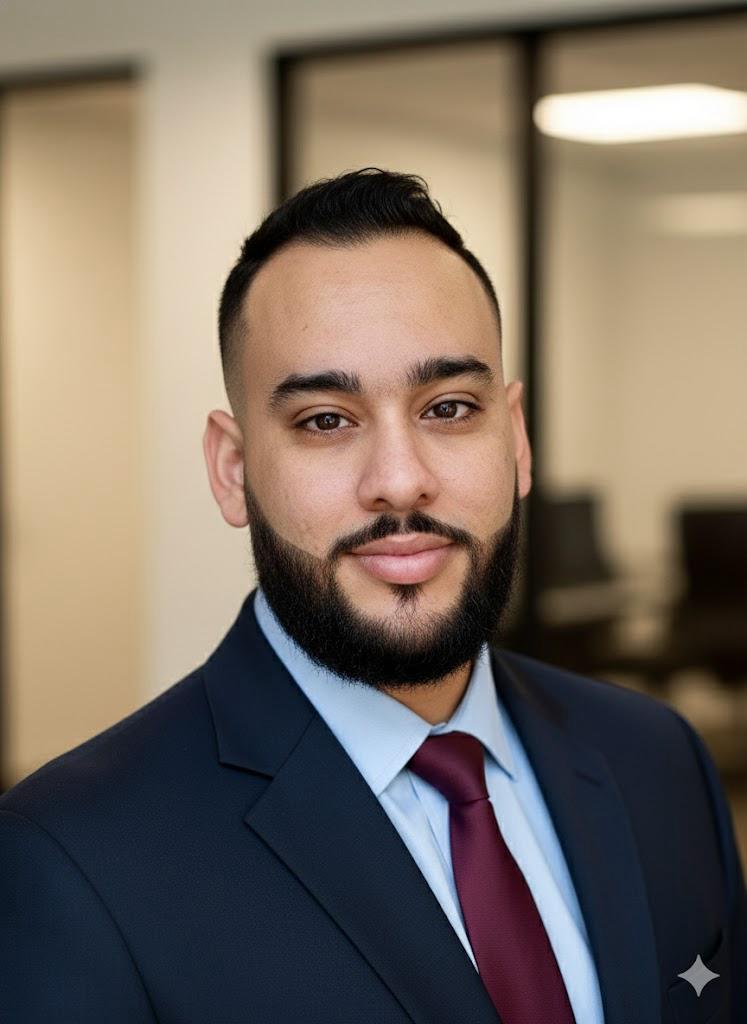
Dr. Marlon Carbonell Gonzalez is a physician trained in Intensive Care and Emergency Medicine, with extensive experience managing critically ill adult patients in high-acuity ICU and Emergency Department settings. He holds BLS, ACLS, PALS, and ABLS certifications, has passed USMLE Step 1 and Step 2 CK, and is currently preparing for the OET and USMLE Step 3 in the United States while pursuing residency training in Internal Medicine with a focus on Critical Care. His academic interests include clinical research, peer review, and evidence-based practice aimed at improving outcomes in critically ill populations.
EDUCATION
Doctor of Medicine (MD), University of Medical Sciences of Havana, Cuba (2021).
Clinical training in Intensive Care Medicine and Emergency Medicine.
USMLE Step 1 and USMLE Step 2 CK passed.
Currently preparing for the Occupational English Test (OET) and USMLE Step 3.
RESEARCH, TEACHING, or OTHER INTERESTS
Critical Care and Intensive Care Medicine, Emergency Medicine, Internal Medicine, Cardiology and Cardiovascular Medicine
1
Scopus Publications
Scopus Publications
Paracoccidioidomycosis in a 16-year-old adolescent patient: a case report from Bolivia Carlos Alberto Paz-Román, Jhossmar Cristians Auza-Santivañez, Daniel Ramiro Elías Vallejos-Rejas, Diego Javier La Fuente Padilla, Marlon Carbonell González, Jose Luis Diaz-Guerrero, Leonel Rivero Castedo, Jaykel Evelio Gómez Triana Health Leadership and Quality of Life, 2025 Introduction: Paracoccidioidomycosis (PCM) is the most common systemic mycosis in Latin America. Case: A 16-year-old female patient from Bolivia presented with a 6-month history of ulcerative nasal lesions and cervical lymphadenopathy. Initial histopathology suggested tuberculosis with a positive Ziehl-Neelsen stain. Direct KOH examination revealed characteristic "steering wheel" yeasts of Paracoccidioides brasiliensis. Antituberculosis treatment was discontinued and itraconazole was started with a favorable response. Discussion: Juvenile paracoccidioidomycosis represents a significant diagnostic challenge due to its variable clinical presentation and its ability to mimic other more prevalent pathologies such as tuberculosis and lymphoproliferative syndromes. This case illustrates the importance of maintaining a high index of clinical suspicion in adolescent patients from endemic areas who present with lymphadenopathy and mucocutaneous lesions, especially when tuberculosis studies are negative. A broad differential diagnosis is important, as is the need for specific complementary testing in the event of clinical discrepancies. Direct mycological examination is crucial as a rapid and definitive diagnostic method for paracoccidioidomycosis.