KAMRAN SATTAR

@ksu.edu.sa

Medical Professionalism Educator (PhD, FAcadMedEd UK, MMedEd UK MBBS) | Curr & Assessment Design, Research Leadership, Cross-Cultural Professionalism | I help build Professional Identity & enhance curriculum quality
King Saud University
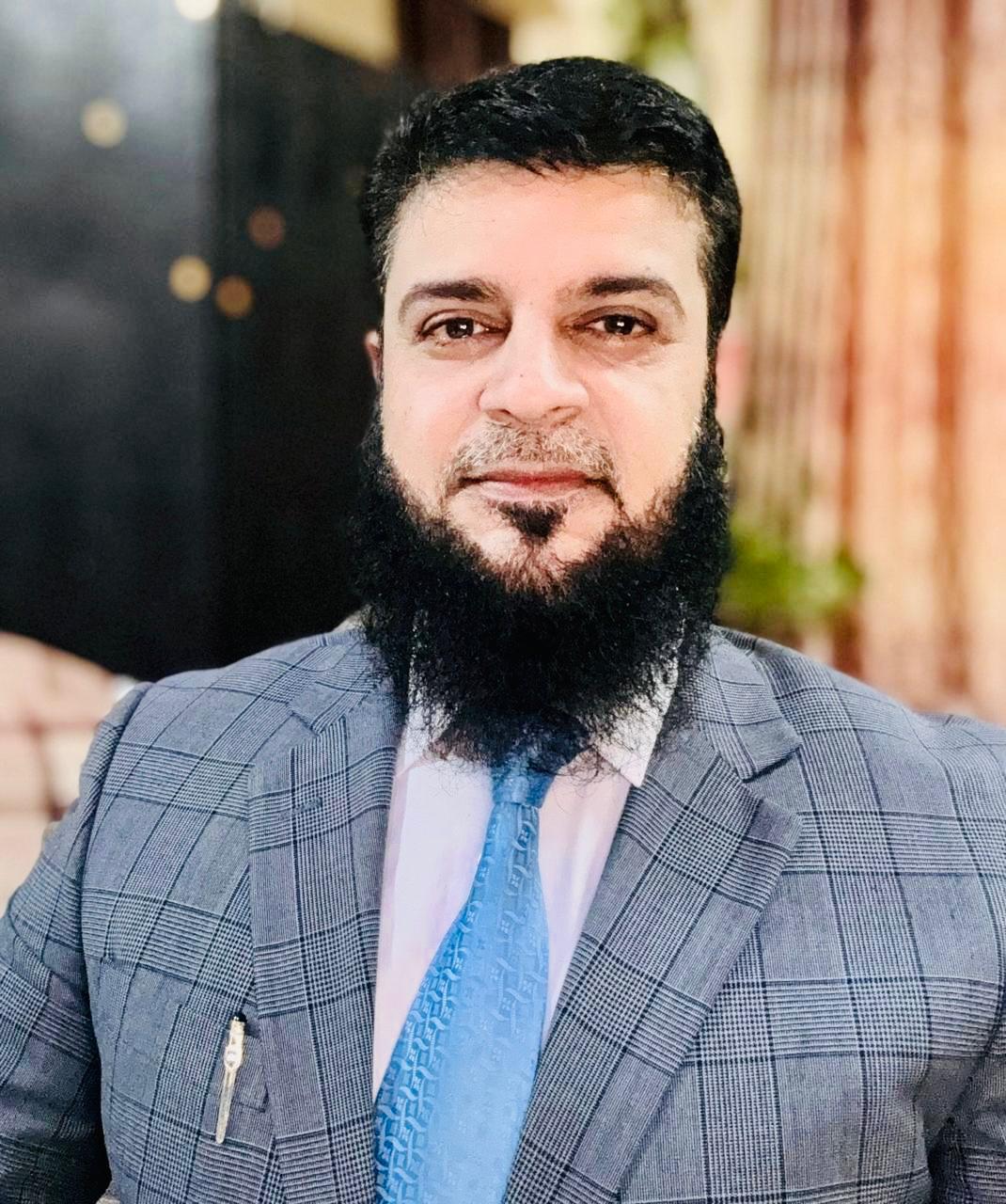
KAMRAN SATTAR
• -Lifelong Learning Advocate: Possess an MBBS, a Master’s degree, and a PhD in Medical Education, demonstrating a steadfast commitment to continuous professional development.
• -Internationally Recognized Scholar: Selected among an elite cohort to earn a Master’s from the University of Dundee, a PhD in Medical Education from USM, Malaysia, and a Fellowship from the Academy of Medical Educators in London, UK.
• -Prolific Researcher and Academic Contributor: Actively engaged in research with numerous publications in esteemed peer-reviewed journals and presentations at prestigious academic symposiums.
• -Innovative Medical Education Expert: Specializes in teaching and learning, medical professionalism, student wellbeing, assessment, and curriculum development. Successfully secured research grants and mentored undergraduate medical students.
• -Collaborative Leader and Curriculum Specialist: Brings extensive experience working in cross-functional teams, currently serving as a Curri

EDUCATION

MBBS, FAcadMEd-AoME (UK), MMedEd-UoD (UK), PhD (MedEd).

RESEARCH, TEACHING, or OTHER INTERESTS

Health Professions, Multidisciplinary, Medicine, Psychiatry and Mental health
53

Scopus Publications

2111

Scholar Citations

22

Scholar h-index

32

Scholar i10-index

Scopus Publications

  • Use of Artificial Intelligence in Undergraduate Medical Student Assessment, Scientific Writing & Peer Review: Promise, Pitfalls, and the Need for Educational Governance
    Kamran Sattar, Muhamad Hani Temsah, Shaukat Ali Jawaid
    Pakistan Journal of Medical Sciences, 2026
    .
  • Unveiling the interplay of medical professionalism, mental well-being and coping in medical students: a qualitative phenomenological study
    Kamran Sattar, Muhamad Saiful Bahri Yusoff
    BMC Medical Education, 2025
    BACKGROUND: Medical students face significant stress and challenges that impact their professional development by affecting their levels of medical professionalism (MP), coping ability, and mental well-being (MWB). Given the high-stakes environment of medical education, understanding the interplay between these factors is crucial. This study aims to explore undergraduate medical students' lived experiences of MP, coping strategies (CSs), and MWB to inform the development of effective support systems. METHODS: A qualitative phenomenological study was conducted using Focus Group Discussions (FGDs) to capture the lived experiences of 40 medical students from first, third, and fifth years of study. Participants, selected through purposive sampling, represented diverse backgrounds (with 27 females, 18 fifth-year students, and 30 Malays). Seven FGDs, each with 5-10 participants, were conducted via Zoom©, yielding comprehensive qualitative data. An inductive coding approach was applied through iterative transcript analysis to ensure robust findings. RESULTS: Analysis revealed two themes related to MWB: 'mental well-being issues,' highlighting persistent mental health challenges, and 'happiness,' illustrating factors that sustain well-being. CSs were categorized into 'positive coping,' including seeking support, and 'negative coping,' such as denial. For MP, two themes emerged: 'inter-medical professionalism,' focusing on communication with others, and 'intra-medical professionalism,' emphasizing ethical self-conduct. CONCLUSION: The interplay between CSs, MP, and MWB is complex and deeply intertwined. The findings highlight the importance of developing targeted interventions to support medical students in managing stress, maintaining professionalism, and enhancing their mental well-being throughout their training. Future research should further explore these themes to inform policy and curriculum development in medical education. CLINICAL TRIAL NUMBER: Not applicable.
  • Exploring the role of DeepSeek-R1, ChatGPT-4, and Google Gemini in medical education: How valid and reliable are they?
    Sultan Ayoub Meo, Farah A Abukhalaf, Riham A ElToukhy, Kamran Sattar
    Pakistan Journal of Medical Sciences, 2025
    Objective: In recent years, Artificial Intelligence (AI) has led to rapid advancements in science, technology, industries, healthcare settings, and medical education. A Chinese-built large language model, DeepSeek-R1, inspires the scientific community as an affordable and open alternative to earlier established US-based AI models, ChatGPT-4 and Google Gemini 1.5 Pro. This study aimed to explore the role of “DeepSeek-R1, ChatGPT-4 and Google Gemini 1.5 Pro” and to assess the validity and reliability of these AI tools in medical education.Methods: The current cross-sectional study was performed in the Department of Physiology, College of Medicine, King Saud University, Riyadh, Saudi Arabia during the period January 25, 2025, to February 28, 2025. The Multiple-Choice Questions (MCQs) bank was created with a pool of basic medical sciences (60 MCQs) and clinical medical sciences (40 MCQs). The one hundred MCQs were prepared from various medical textbooks, journals, and examination pools. The MCQs were individually entered into the given area of the “DeepSeek-R1, ChatGPT-4 and Google Gemini 1.5 Pro” to assess the level of knowledge in various disciplines of medical sciences.Results: The marks obtained in basic medical sciences by DeepSeek R1 47/60 (78.33%), ChatGPT-4 47/60 (78.33%), and Google Gemini 1.5 Pro 49/60 (81.7%). However, in clinical medical sciences, the marks obtained by DeepSeek R1 were 35/40 (87.5%), ChatGPT-4 36/40 (90.0%), and Google Gemini 1.5 Pro 33/40 (82.5%). The total marks obtained by DeepSeekR1 were 82/100 (82.0%), Chat GPT-4 84/100 (84.0%), and Google Gemini-1.5 Pro 82/100 (82.0%).Conclusions: The Chinese-based DeepSeek-R1, the US-based ChatGPT-4, and Google Gemini-1.5 Pro achieved similar scores, exceeding 80% marks, in various medical sciences subjects. The study findings demonstrate that the knowledge, validity, and reliability levels of DeepSeek R1, ChatGPT-4, and Google Gemini 1.5 Pro are similar for their potential future use in medical education.doi: https://doi.org/10.12669/pjms.41.7.12183How to cite this: Meo SA, Abukhalaf FA, ElToukhy RA, Sattar K. Exploring the role of DeepSeek-R1, ChatGPT-4, and Google Gemini in medical education: How valid and reliable are they? Pak J Med Sci. 2025;41(7):1887-1892. doi: https://doi.org/10.12669/pjms.41.7.12183This is an Open Access article distributed under the terms of the Creative Commons Attribution License (http://creativecommons.org/licenses/by/3.0), which permits unrestricted use, distribution, and reproduction in any medium, provided the original work is properly cited.
  • Cardiovascular and renal comorbidities among saudi patients with type 2 diabetes: A cross-sectional observational study
    Syed Irfan Karim, Kamran Sattar, Tauseef Ahmad, Mustafa Kamal Memon, Abdulfattah S. Alqahtani, Abdulrahman M. Alsubiheen, Fahad Abdulaziz Alrashed
    Plos One, 2025
    Objective This study aims to investigate the prevalence and patterns of cardiovascular and renal complications among patients with T2DM in the Saudi population and elucidate the extent of these comorbidities and their potential risk factors. Methods A cross-sectional observational study was conducted across three research locations in Riyadh, Saudi Arabia. The study incorporated the first 248 T2DM patients who met the criteria and provided their consent. The sites for this research comprised one secondary care public hospital, one public primary care clinic, and one private medical facility. Efforts were made to evenly distribute patients across the six locations, spanning three distinct sectors. Should any location fall short of its patient target, other sites would step in to balance the deficit. Patient data was gathered during their enrollment visit as well as the patient’s medical records. These encompassed variables such as age, gender, race, smoking status, residential location, duration of T2DM, most recent HbA1c, blood pressure, lipid levels, kidney function, and most recent weight/body mass index (BMI). Results Those with diabetes for five years or longer were more likely to have CKD (2.1 times higher), CAD (3.2 times higher), cerebrovascular disease (4.3 times higher), and hypertension (6.2 times higher). Most participants knew diabetes was a common health problem, and those with diabetic relatives were at a higher risk. In the present study, patients with uncontrolled HbA1C diabetes demonstrated a notably increased prevalence of various comorbidities CKD (OR=3.9, p < 0.0001), CAD (OR=2.3, p = 0.007), CHF (OR=3.1, p = 0.0001), cerebrovascular disease (OR=2.4, p = 0.0004), CVD (OR=4.2, p=<0.0001) and hypertension (OR=3.5, p = 0.0001) compared to those without uncontrolled HbA1C diabetes. However, CVD and hypertension shows a stronger association with diabetes The analysis demonstrated that diabetes was highly correlated to neuropathy (t = 2.204, p = 0.002), coronary artery disease (t = 1.53, p = 0.03), congestive heart failure (CHF) (t = 1.34, p = 0.05), cerebrovascular Disease (t = 2.65, p = 0.009), and hypertension (t = 5.05, p = 0.000). Conclusion We concluded that patients who had diabetes for five years or more had considerably greater risks of developing comorbidities such as chronic kidney disease, coronary artery disease, cerebrovascular disease, and hypertension. Among others hypertension being a major comorbidity that significantly influences the progression or presence of diabetes. This highlights the necessity of beginning treatment as early as possible and maintaining glycemic control to reduce the risk of diabetes-related problems in the long run. One limitation of this study is its cross-sectional design, which only captures data at a single point in time, preventing the establishment of causal relationships between variables.
  • Editorial: Nurturing medical professionalism in different cultural contexts
    Kamran Sattar, Kate Owen, Bhavani Veasuvalingam
    Frontiers in Medicine, 2025
    Editorial: Nurturing Medical Professionalism in Different Cultural ContextsMedical professionalism is not governed by static rules; rather, it represents a dynamic and evolving ecosystem. Within the context of our topic collection, Nurturing Medical Professionalism in Different Cultural Contexts, this ecosystem is shaped by the continuous interaction among individual psychology, institutional culture, and societal context.At the Individual Level (Psychological Foundations), three papers illustrate the internal development of professionalism. Sattar et al. present professionalism as a psychological buffer against burnout, Zeng et al. demonstrate that personality traits influence critical thinking, a core professional skill, and Al-Obiedat et al. extend this understanding to nursing, highlighting empowerment as the psychological fuel for professional satisfaction. Collectively, these studies indicate that professionalism extends beyond behavioral compliance, requiring psychological resilience and empowerment as essential foundations.The Institutional Level (Hidden and Explicit Curricula) examines how institutions shape professionalism through both formal instruction and the hidden curriculum. Guraya et al.'s PROPER framework directly addresses the hidden curriculum, Sadeq et al.'s systematic review identifies gaps in explicit teaching strategies, and Pandya et al. demonstrate that faculty development can bridge these gaps, rendering professionalism a teachable rather than an assumed construct. This level underscores how institutional culture may either reinforce or erode individual psychological foundations.The Societal Level (Cultural Context and Justice) expands the analysis to broader cultural and social justice considerations. Iqbal et al. reveal how assessment bias reflects societal inequities, Haque et al. reframe language diversity as an educational opportunity rather than a barrier, and Zain et al. illustrate how student-led initiatives can challenge systemic discrimination and promote inclusive professional environments. The following sections provide further elaboration on the specific details derived from these papers.Empowerment and Quality of Work Life in NursingAl-Obiedat et al (1) examine the psychological empowerment and quality of work life among Jordanian nurses and midwives. Their study reveals a strong positive correlation between empowerment and professional satisfaction, indicating that supportive work environments and autonomy are not only HR concerns but central to professional behavior and job retention. Their findings advocate for investment in nurse empowerment as a strategic approach to enhancing healthcare quality.Professionalism, Mental Health, and CopingBuilding on this theme of professional well-being, Sattar et al (2) explore how professionalism, mental health, and coping strategies interact among medical students in Malaysia. Their structural equation modeling demonstrates that professionalism buffers against burnout and is positively linked to empathy through adaptive coping strategies. These findings reinforce the idea that professionalism is dynamic, shaped by psychological resilience and institutional support.Uncovering the Hidden CurriculumYet professionalism is not shaped solely by formal instruction. Guraya et al (3) turn attention to the hidden curriculum, unspoken cultural norms that may undermine formal professionalism teaching. Their realist-informed PROPER framework, implemented in two European medical schools, addresses these covert influences. This initiative illustrates that professionalism is best fostered when both the explicit and hidden curricula align to support ethical, reflective practice.Assessing Professionalism: Context MattersIn assessing professionalism, context remains crucial. Iqbal et al (4) evaluate situational judgment tests (SJTs), such as Casper, uncovering that assessor bias and cultural interpretations can influence scoring, even when such tools are intended to measure universal professional attributes. Their work underscores the need for fairness and validity in evaluation, especially across diverse applicant pools.What We Know About Teaching ProfessionalismA broader view of professionalism instruction is offered by Sadeq et al (5), who provide a systematic review of educational interventions. While many report positive outcomes, the review highlights methodological inconsistencies and a lack of sustainability in current approaches. These limitations point to the urgent need for contextually responsive, long-term strategies that support meaningful professional identity formation.Faculty Development: Professionalism as a Learnable SkillJust as students play a role in shaping professionalism, so too must educators. Pandya et al (6) detail a faculty development workshop in India that reframed professionalism as a teachable, rather than inherent, quality. Targeted at new faculty, the workshop integrated contemporary theories of professional identity formation. Feedback revealed increased confidence in modeling and teaching professionalism, affirming that faculty development is essential to nurturing these values.Personality and Critical Thinking in ChinaFurther highlighting the complexity of professionalism, Zeng et al (7) conducted a multicenter study across Chinese medical schools to examine how personality traits and self-differentiation influence critical thinking, a core professional skill. Their findings call for pedagogical strategies tailored to students’ psychological profiles and cultural contexts to foster critical thinking effectively.Language as an Educational ResourceHaque et al contribute another dimension by reframing language barriers as learning opportunities. In a UK-based intervention, non-English consultations in general practice became sites of professional growth. Structured reflection and faculty guidance helped students build empathy and cultural competence, showing how real-world challenges can become powerful educational experiences.Challenging Islamophobia through Student-Led Teaching InnovationZain et al (8), in an innovative contribution, present a student-led case-based learning (CBL) initiative that tackled issues of discrimination and microaggressions faced by Muslim medical students in the UK. This intervention, grounded in real-life scenarios, aimed to promote inclusivity and cultural literacy among faculty and students alike. Facilitated by Muslim students with prior experience in curricular innovation, the sessions illuminated challenges such as inadequate prayer spaces, discriminatory clinical attire policies, and weak institutional support systems. Thematic analysis of discussion transcripts, participant feedback, and facilitator reflections revealed five major insights: the need for improved staff and student cultural literacy, more inclusive facilities and policies, and stronger anti-discrimination mechanisms. Significantly, the model’s students-as-experts approach helped to rebalance traditional power dynamics, fostering an environment of mutual respect and shared responsibility. This work highlights the role of co-created, culturally sensitive pedagogies in advancing professional identity formation and offers a replicable model for other minority student groups.Emerging insights Professionalism in health professions education is co-constructed emerging through interactions between individuals, institutions, and the sociocultural landscapes they inhabit. It is shaped not only by what is explicitly taught but also by the emotional labour of care, the subtle messages embedded in institutional culture, and the capacity of learners and educators to navigate complexity with integrity. The insights gathered across this collection illuminate how empowerment, psychological resilience, and reflective engagement foster the internalisation of professional values. They expose how hidden curricula, linguistic diversity, and culturally laden assessment practices influence the lived experience of becoming a professional. Importantly, these works challenge narrow or prescriptive approaches to teaching professionalism, advocating instead for pedagogies that are attentive to context, sustained over time, and open to student and faculty agency. What emerges is a call for professionalism education that is dialogic, responsive, and anchored in ethical intentionality one that embraces uncertainty, cultivates critical thinking, and reimagines what it means to act professionally in a pluralistic and evolving healthcare world.ConclusionTaken together, these nine contributions challenge us to rethink medical professionalism as a culturally situated, psychologically influenced, and institutionally embedded construct. From empowering nurses to supporting student mental health, from assessing fairly to recognizing hidden curricula, professionalism emerges as a multifaceted endeavor. As editors, educators, and practitioners, we are called not just to define professionalism but to ensure its teaching and assessment are inclusive, sustainable, and context-sensitive. We hope this collection inspires continued innovation and global dialogue in the service of a more human-centered, culturally attuned medical education.
  • Prevalence of Comorbidities among Patients with Type-2 Diabetes Mellitus in Saudi Population
    Kamran Sattar, Syed Irfan Karim, Ashfaq Akram, Fahad Abdulaziz Alrashed
    Pakistan Journal of Medical Sciences, 2024
    Objective: This study sought to quantify the link between low density lipoprotein (LDL) and cholesterol, glycemic control as measured by Hemoglobin A1c (HbA1c) level, and the impact of weight changes on subsequent risk of chronic heart disease in type-2 diabetes mellitus patients.Methods: This study was conducted at Primary Care Clinics from April to September 2023. The data were retrieved from the e-SiHi (a patient care management system). Appropriate parametric tests and non-parametric analysis were applied following the normality of the data.Results: In diabetes mellitus (DM) patients, the Pearson correlation between the cholesterol and LDL relationship was found to be strongly positive and statistically significant (r = .877, p <.001). HbA1c and cholesterol were moderately positive and statistically significant (r =.330, p =.003). Pearson correlation between DM and weight was found to be positive and statistically significant (r =.212, p =.05). Chi-square analysis showed an association of DM with Hypertension, and this association was also significant; X2 (1, n = 83; 11.877; P <.001).Conclusion: Diabetes mellitus regardless of gender, has a strong association with hypertension and weight gain. In DM patients, cholesterol and HbA1c are positively correlated. There is a strong need that primary care physicians should persistently advise for lifestyle changes in all their consultations with DM patients.doi: https://doi.org/10.12669/pjms.40.8.9003How to cite this: Sattar K, Karim SI, Akram A, Alrashed FA. Prevalence of Comorbidities among Patients with Type-2 Diabetes Mellitus in Saudi Population. Pak J Med Sci. 2024;40(8):---------. doi: https://doi.org/10.12669/pjms.40.8.9003This is an Open Access article distributed under the terms of the Creative Commons Attribution License (http://creativecommons.org/licenses/by/3.0), which permits unrestricted use, distribution, and reproduction in any medium, provided the original work is properly cited.
  • From Challenges to Solutions: Mapping the Landscape of Medical Professionalism and Ethics in Pakistan
    Kamran Sattar, Shaukat Ali Jawaid
    Pakistan Journal of Medical Sciences, 2024
    doi: https://doi.org/10.12669/pjms.40.4.9346
 How to cite this: Sattar K, Jawaid SA. From Challenges to Solutions: Mapping the Landscape of Medical Professionalism and Ethics in Pakistan. Pak J Med Sci. 2024;40(4):557-558. doi: https://doi.org/10.12669/pjms.40.4.9346
 This is an Open Access article distributed under the terms of the Creative Commons Attribution License (http://creativecommons.org/licenses/by/3.0), which permits unrestricted use, distribution, and reproduction in any medium, provided the original work is properly cited.
  • Navigating the Future: The Integration of Artificial Intelligence in Primary Care Medicine in Pakistan
    Kamran Sattar, Durdana Siddiqui
    Liaquat National Journal of Primary Care, 2024
    The recent past has witnessed a paradigm shift with the usage of artificial intelligence (AI) within a variety of healthcare services. This transition of incorporating AI has brought about multiple favours for enhancing current services and a lot of promising results in the primary care setup of Pakistan. Primary care has diverse and sophisticated provisions hence the challenges are complicated too. The authors examine the existing practices as well as future options for incorporating AI in primary care in Pakistan.
  • Embracing the Future: Nurturing Medical Professionalism through the Integration of Artificial Intelligence
    , Kamran Sattar, Muhamad Saiful Bahri Yusoff, and
    Education in Medicine Journal, 2024
    The field of healthcare is continuously evolving, and the recent incorporation of Artificial Intelligence (AI) is proving to be a game-changer, significantly advancing our understanding of medical practices.Currently, we find ourselves at the crossroads of AI and healthcare (1), emphasising the need to recognise and adopt innovative approaches that can improve medical professionalism through AI.This recognition is vital for steering us toward a future marked by increased empathy, improved patient security, and a strong commitment to accuracy, efficiency, and patient-centred care.The foundation of medical practice is built upon professionalism attributes like altruism, accountability, excellence, duty, honour, integrity, and respect for others (2).AI presents promising opportunities to reinforce and fortify this foundation, benefiting not only current medical professionals but also supporting students in their journey to becoming future physicians.The following sections outline how these opportunities can be realised.
  • Decoding the interplay of medical professionalism, mental well-being, and coping in undergraduate medical students across culture: using structural equation modeling
    Kamran Sattar, Sultan Ayoub Meo, Muhamad Saiful Bahri Yusoff
    Frontiers in Medicine, 2024
    IntroductionThe rigorous nature of medical education, long and night shifts, and prevalent issues like stress, anxiety, and depression affect medical students’ mental well-being and medical professionalism. This study aims to explore the intricate relationships between mental well-being, medical professionalism, and coping strategies, among undergraduate medical students, utilizing structural equation modeling (SEM) to unravel these dynamics.MethodsConducted at Universiti Sains Malaysia, this cross-sectional study involved 234 medical students from the 1st, 3rd, and 5th years of the MBBS program. Data were collected via five validated survey instruments: DASS-9, TEQ, Dundee, Brief COPE, and CBI, through Google Forms. Participants were selected using purposive sampling. The surveys assessed mental well-being (burnout, anxiety, depression, stress), coping strategies, and medical professionalism attributes. Model fit was evaluated using established indices.ResultsFindings indicated that professional behavior reduces burnout and negatively impacts negative coping strategies (NCSs). Additionally, medical professionalism indirectly enhances empathy and positively influences CSs. Conversely, psychological distress increases NCSs and reduces empathy. Positive coping strategies (PCSs) enhance empathy levels, while MWB issues elevate NCSs.DiscussionThe study underscores the vital role of professional behavior in mitigating burnout and fostering positive coping mechanisms among medical students. Addressing MWB issues through targeted interventions can enhance empathy and professional behavior, ultimately improving the quality of patient care.
  • A scoping review on the relationship between mental wellbeing and medical professionalism
    Kamran Sattar, Muhamad Saiful Bahri Yusoff, Wan Nor Arifin, Mohd Azhar Mohd Yasin, Mohd Zarawi Mat Nor
    Medical Education Online, 2023
  • Impact of COVID-19 pandemic on stress and coping strategies among medical students: A cross-sectional study
    Fahad Abdulaziz Alrashed, Tauseef Ahmad, Kamaran Sattar, Mishal M. Aldaihan, Muneera M. Almurdi, Leen Khalid Alrashed, Afaf A. M. Shaheen, Abdulrahman M. Alsubiheen
    International Journal of Advanced and Applied Sciences, 2023
  • Correction to: Effective coping strategies utilised by medical students for mental health disorders during undergraduate medical education - a scoping review (BMC Medical Education, (2022), 22, 1, (121), 10.1186/s12909-022-03185-1)
    Kamran Sattar, Muhamad Saiful Bahri Yusoff, Wan Nor Arifin, Mohd Azhar Mohd Yasin, Mohd Zarawi Mat Nor
    BMC Medical Education, 2022
  • Effective coping strategies utilised by medical students for mental health disorders during undergraduate medical education-a scoping review
    Kamran Sattar, Muhamad Saiful Bahri Yusoff, Wan Nor Arifin, Mohd Azhar Mohd Yasin, Mohd Zarawi Mat Nor
    BMC Medical Education, 2022
  • An insightful estimation of undergraduate medical students’ experience about the flipped classroom
    Hamza Mohammad Abdulghani, Kamran Sattar, Tauseef Ahmad, Dost Muhammad Halepoto, Ashfaq Akram
    Pakistan Journal of Medical Sciences, 2022
  • Stress, Anxiety, and Depression in Pre-Clinical Medical Students: Prevalence and Association with Sleep Disorders
    Fahad Abdulaziz Alrashed, Abdulrahman M. Alsubiheen, Hessah Alshammari, Sarah Ismail Mazi, Sara Abou Al-Saud, Samha Alayoubi, Shaji John Kachanathu, Ali Albarrati, Mishal M. Aldaihan, Tauseef Ahmad, Kamran Sattar, Shakir Khan, Gaurav Dhiman
    Sustainability Switzerland, 2022
  • Prevalence of insomnia and related psychological factors with coping strategies among medical students in clinical years during the COVID-19 pandemic
    Fahad Abdulaziz Alrashed, Kamran Sattar, Tauseef Ahmad, Ashfaq Akram, Syed Irfan Karim, Abdulrahman Mohammed Alsubiheen
    Saudi Journal of Biological Sciences, 2021
  • An insightful evaluation of professionalism among dentistry students
    Syed Rashid Habib, Kamran Sattar, Tauseef Ahmad, Rana M. Barakah, Abdulaziz M. Alshehri, Abdulelah F. Andejani, Abdulrahman A. Almansour
    Saudi Dental Journal, 2021
  • Professionalism development of undergraduate medical students: Effect of time and transition
    Kamran Sattar, Ashfaq Akram, Tauseef Ahmad, Ulfat Bashir
    Medicine United States, 2021
  • Faculty development program assists the new faculty in constructing high-quality short answer questions; a quasi-experimental study
    Hamza Mohammad Abdulghani, Kamran Sattar, Tauseef Ahmad, Ashfaq Akram, Mahmoud Salah Khalil
    Plos One, 2021
  • Scoping Review of frequently highlighted attributes of Medical Professionalism in an Undergraduate Medical Education Context
    Kamran Sattar, Muhamad Saiful Bahri Yusoff, Wan Nor Arifin, Mohd Azhar Mohd Yasin, Mohd Zarawi Mat Nor
    Pakistan Journal of Medical Sciences, 2021
  • Flipping the “Learning skills” Course during COVID-19: A Mixed-Modality study
    Ashfaq Akram, Kamran Sattar, Tauseef Ahmad, Hamza M. Abdulghani, Jennesse John, Muhamad Saiful Bahri Yusoff
    Education in Medicine Journal, 2021
  • Are dentists more prone to metabolic syndrome and occupational stress
    Ibraheem F. Alshiddi, Syed Rashid Habib, Kamran Sattar, Abdullah Alshahrani, Rya S. Almufleh, Suhailah Basuhail, Abdulelah Andejani
    Work, 2021
  • Implications of the COVID-19 pandemic on the mental health and professional psychomotor skills of dental students
    Fahad Abdulaziz Alrashed, Kamran Sattar, Syed Rashid Habib, Tauseef Ahmad, Abdulaziz Saud Al Rashoud, Turki ali Y SAFHI, Abdulrhman Hamad M Almajed, Hamad Ali H Alnafisah, Norah Hamad Alharbi, Abdulrahman Alsubiheen
    Psychology Research and Behavior Management, 2021
  • Antiviral and Immunomodulatory Effects of Phytochemicals from Honey against COVID-19: Potential Mechanisms of Action and Future Directions
    Mohammad A. I. Al-Hatamleh, Ma’mon M. Hatmal, Kamran Sattar, Suhana Ahmad, Mohd Zulkifli Mustafa, Marcelo De Carvalho Bittencourt, Rohimah Mohamud
    Molecules, 2020
  • Professionalism through Entrustable Professional Activities: ABC of This Imperative and Inevitable Approach
    , Kamran Sattar, Muhamad Saiful Bahri Yusoff, and
    Education in Medicine Journal, 2020
  • Medical professionalism videos on YouTube: Content exploration and appraisal of user engagement
    Tauseef Ahmad, Kamran Sattar, Ashfaq Akram
    Saudi Journal of Biological Sciences, 2020
  • Association of COVID-19 pandemic with undergraduate medical students' perceived stress and coping
    Hamza Mohammad Abdulghani, Kamran Sattar, Tauseef Ahmad, Ashfaq Akram
    Psychology Research and Behavior Management, 2020
  • Association of covid-19 pandemic with undergraduate medical students’ perceived stress and coping [response to letter]
    Hamza Mohammad Abdulghani, Kamran Sattar, Tauseef Ahmad, Ashfaq Akram
    Psychology Research and Behavior Management, 2020
  • Covid-19 pandemic: Impact of quarantine on medical students’ mental wellbeing and learning behaviors
    Sultan Ayoub Meo, Dr Abdulelah Adnan Abukhalaf, Ali Abdullah Alomar, Kamran Sattar, David C Klonoff
    Pakistan Journal of Medical Sciences, 2020
  • Progress and prospects of medical education research in asian countries
    Sultan Ayoub Meo, Kamran Sattar, Chaudhary Habib ullah, Sami Alnassar, Waseem Hajjar, Waseem Hajjar, Adnan Mahmood Usmani
    Pakistan Journal of Medical Sciences, 2019
  • Integrated undergraduate dental curriculum
    JPMA the Journal of the Pakistan Medical Association, 2019
  • A critical review of obstetric and gynecological physical examination videos available on YouTube: Content analysis and user engagement evaluation
    Hamza Mohammad Abdulghani, Shafiul Haque, Tauseef Ahmad, Mohammad Irshad, Kamran Sattar, Mohammed Meteb Al-harbi, Nehal Khamis
    Medicine, 2019
  • Prevalence of Type 2 Diabetes Mellitus Among Men in the Middle East: A Retrospective Study
    Sultan Ayoub Meo, Saeed A. Sheikh, Kamran Sattar, Ashfaq Akram, Asim Hassan, Anusha Sultan Meo, Adnan Mehmood Usmani, Erum Qalbani, Anhar Ullah
    American Journal of Men S Health, 2019
  • Ten Questions to be Answered before Incorporating Problem-Based Learning (PBL) into Professionalism Course
    Department of Medical Education, School of Medical Sciences, Universiti Sains Malaysia, Kelantan, MALAYSIA, Kamran Sattar
    Education in Medicine Journal, 2019
  • Flipped Classroom Teaching Modality: Key Concepts and Practice Endorsements
    Department of Medical Education, School of Medical Sciences, Universiti Sains Malaysia, Kelantan, MALAYSIA, Kamran Sattar, Ahsan Sethi, Institute of Health Professions Education & Research, Khyber Medical University, PAKISTAN, Ashfaq Akram, Department of Medical Education, College of Medicine, King Saud University, SAUDI ARABIA, Tauseef Ahmad, Department of Medical Education, College of Medicine, King Saud University, SAUDI ARABIA, Jennesse John, Department of Medical Education, College of Medicine, King Saud University, SAUDI ARABIA, Muhamad Saiful Bahri Yusoff, Department of Medical Education, School of Medical Sciences, Universiti Sains Malaysia, Kelantan, MALAYSIA
    Education in Medicine Journal, 2019
  • An approach for developing integrated undergraduate medical curriculum
    Ashfaq Akram, Farzana Rizwan, Kamran Sattar, Jalal Ibrahim S Hadi, Sultan Ayoub Meo
    Pakistan Journal of Medical Sciences, 2018
  • Medical students’ perception of international health electives in the undergraduate medical curriculum at the college of medicine, King Saud university
    Abdullah Fouda Neel, Leena AlAhmari, Reema Alanazi, Kamran Sattar, Tauseef Ahmad, Elizabeth Feeley, Mahmoud Khalil, Mona Soliman
    Advances in Medical Education and Practice, 2018
  • Association of ABO and Rh blood groups with breast cancer
    Sultan Ayoub Meo, Faryal Suraya, Badar Jamil, Fwziah Al Rouq, Anusha Sultan Meo, Kamran Sattar, Mohammad Javed Ansari, Saleh A. Alasiri
    Saudi Journal of Biological Sciences, 2017
  • Effectiveness of longitudinal faculty development programs on MCQs items writing skills: A follow-up study
    Hamza Mohammad Abdulghani, Mohammad Irshad, Shafiul Haque, Tauseef Ahmad, Kamran Sattar, Mahmoud Salah Khalil
    Plos One, 2017
  • Standing out with professionalism: How do students and faculty of two different medical schools perceive it?
    Kamran Sattar, Sue Roff, Durdana Siddiqui, Sultan Ayoub Meo
    Pakistan Journal of Medical Sciences, 2017
  • Honey and diabetes mellitus: Obstacles and challenges – Road to be repaired
    Sultan Ayoub Meo, Mohammad Javed Ansari, Kamran Sattar, Habib Ullah Chaudhary, Waseem Hajjar, Saleh Alasiri
    Saudi Journal of Biological Sciences, 2017
  • Medical students’perception of the progress test as a quality-controlled assessment tool for improving learning and teaching, at a public sector medical college in Saudi Arabia
    Journal of the Pakistan Medical Association, 2017
  • Too early or too late adopting the best evidence medical education: A positive change
    Journal of Postgraduate Medical Institute, 2017
  • Principled physicians are not born-they are mentored: Medical students’ perception of the values and need of mentors at the College of Medicine, Saudi Arabia
    Journal of the Pakistan Medical Association, 2017
  • Medical students’ perception of the learning environment at king saud university medical college, saudi arabia, using dreem inventory
    Mona Soliman, Kamran Sattar, Sami Alnassar, Faisal Alsaif, Khalid AlSwat, Mohammed Alghonaim, Maysoon Alhaizan, Nawaf Al-furaih
    Advances in Medical Education and Practice, 2017
  • Shaping medical professionalism in pre-clinical medical students: Students’ perspective
    Biomedical Research India, 2017
  • Comparison of recommended sanctions for lapses in professionalism of undergraduate medical students in a Saudi Arabian and a Scottish medical school
    Kamran Sattar, Sue Roff
    Medical Teacher, 2016
  • Your professionalism is not my professionalism: congruence and variance in the views of medical students and faculty about professionalism
    Kamran Sattar, Sue Roff, Sultan Ayoub Meo
    BMC Medical Education, 2016
  • Similarities and variances in perception of professionalism among Saudi and Egyptian Medical Students
    Kamran Sattar, Sue Roff, Sultan Ayoub Meo
    Pakistan Journal of Medical Sciences, 2016
  • Research productivity of gulf cooperation council (GCC) countries in science and social sciences
    Journal of the Pakistan Medical Association, 2016
  • Social networking in medical schools: Medical student’s viewpoint
    Biomedical Research India, 2016
  • Why does mentoring matter?
    Journal of the Liaquat University of Medical and Health Sciences, 2010

RECENT SCHOLAR PUBLICATIONS

  • Nurturing medical professionalism in different cultural contexts
    K Sattar, K Owen, B Veasuvalingam
    Frontiers in Medicine 12, 1654313 , 2025
    2025
    Citations: 1
  • Emergency Contraception Knowledge, Perceptions, and Barriers Among Married Saudi Men and Women: A Qualitative Study
    SI Karim, F Irfan, NA Abouammoh, E Al Faris, K Sattar, AMA Ahmed
    bioRxiv, 2025.07. 05.663316 , 2025
    2025
  • Exploring the role of DeepSeek-R1, ChatGPT-4, and Google Gemini in medical education: How valid and reliable are they?
    SA Meo, FA Abukhalaf, RA ElToukhy, K Sattar
    Pakistan Journal of Medical Sciences 41 (7), 1887 , 2025
    2025
    Citations: 12
  • Cardiovascular and renal comorbidities among saudi patients with type 2 diabetes: A cross-sectional observational study
    SI Karim, K Sattar, T Ahmad, MK Memon, AS Alqahtani, AM Alsubiheen, ...
    PLoS One 20 (5), e0324233 , 2025
    2025
    Citations: 5
  • Generative Artificial Intelligence Integration in Medical Education: A Cross-Sectional Survey of Medical Students’ Perceptions and Attitudes in Saudi Arabia
    F Aljamaan, MF Mubarak, I Altamimi, AA Alanteet, MA Alsalman, ...
    2025
  • Unveiling the interplay of medical professionalism, mental well-being and coping in medical students: A qualitative phenomenological study
    K Sattar, MSB Yusoff
    BMC Medical Education 25 (1), 12 , 2025
    2025
    Citations: 18
  • Decoding the interplay of medical professionalism, mental well-being, and coping in undergraduate medical students across culture: using structural equation modeling
    K Sattar, SA Meo, MSB Yusoff
    Frontiers in Medicine 11, 1468654 , 2024
    2024
    Citations: 5
  • Prevalence of Comorbidities among Patients with Type-2 Diabetes Mellitus in Saudi Population
    K Sattar, SI Karim, A Akram, FA Alrashed
    Pakistan Journal of Medical Sciences 40 (8), 1651 , 2024
    2024
    Citations: 4
  • Coping in medical professionalism and mental wellbeing among Universiti Sains Malaysia medical students
    K Sattar
    2024
  • From Challenges to Solutions: Mapping the Landscape of Medical Professionalism and Ethics in Pakistan
    K Sattar, SA Jawaid
    Pakistan Journal of Medical Sciences 40 (4), 557 , 2024
    2024
    Citations: 3
  • Embracing the future: nurturing medical professionalism through the integration of artificial intelligence
    K Sattar, MSB Yusoff
    Education in Medicine Journal 16 (1), 1-3 , 2024
    2024
    Citations: 3
  • A scoping review on the relationship between mental wellbeing and medical professionalism
    K Sattar, MSB Yusoff, WN Arifin, MA Mohd Yasin, MZ Mat Nor
    Medical Education Online 28 (1), 2165892 , 2023
    2023
    Citations: 57
  • Impact of COVID-19 pandemic on stress and coping strategies among medical students: A cross-sectional study
    AMA Fahad Abdulaziz Alrashed ,Tauseef Ahmad, Kamaran Sattar, Mishal M ...
    International Journal of Advanced and Applied Sciences 10 (Issue 7), 195-202 , 2023
    2023
    Citations: 1
  • Implication of COVID-19 pandemic and lockdown on sport activities
    SB Al-Mhanna, HA Afolabi, K Sattar, M Gülü, BD Abubakar, M Mohamed, ...
    Sustainability and Sports Science Journal 1 (1), 25-33 , 2023
    2023
    Citations: 3
  • Stress, anxiety, and depression in pre-clinical medical students: Prevalence and association with sleep disorders
    FA Alrashed, AM Alsubiheen, H Alshammari, SI Mazi, SA Al-Saud, ...
    Sustainability 14 (18), 11320 , 2022
    2022
    Citations: 60
  • Correction to: Effective coping strategies utilised by medical students for mental health disorders during undergraduate medical education-a scoping review
    K Sattar, MSB Yusoff, WN Arifin, MAM Yasin, MZM Nor
    BMC Medical Education 22, 164 , 2022
    2022
    Citations: 1
  • Effective coping strategies utilised by medical students for mental health disorders during undergraduate medical education-a scoping review
    K Sattar, MSB Yusoff, WN Arifin, MAM Yasin, MZM Nor
    BMC medical education 22 (1), 121 , 2022
    2022
    Citations: 113
  • Are dentists more prone to metabolic syndrome and occupational stress?
    IF Alshiddi, SR Habib, K Sattar, A Alshahrani, RS Almufleh, S Basuhail, ...
    Work, 1-8 , 2021
    2021
    Citations: 2
  • The Trend of Four Consultation Models in Four Specialties at Four Tertiary Care Hospitals
    Hamza Mohammad Abdulghani, Kamran Sattar, Syed Irfan Karim, Tauseef Ahmad ...
    World Family Medicine Journal 19 (11), 6-15 , 2021
    2021
    Citations: 1
  • Prevalence of insomnia and related psychological factors with coping strategies among medical students in clinical years during the COVID-19 pandemic
    FA Alrashed, K Sattar, T Ahmad, A Akram, SI Karim, AM Alsubiheen
    Saudi journal of biological sciences 28 (11), 6508-6514 , 2021
    2021
    Citations: 37

MOST CITED SCHOLAR PUBLICATIONS

  • COVID-19 pandemic: impact of quarantine on medical students’ mental wellbeing and learning behaviors
    SA Meo, AA Abukhalaf, AA Alomar, K Sattar, DC Klonoff
    Pakistan journal of medical sciences 36 (COVID19-S4), S43 , 2020
    2020
    Citations: 458
  • Association of COVID-19 pandemic with undergraduate medical students' perceived stress and coping
    HM Abdulghani, K Sattar, T Ahmad, A Akram
    Psychology research and behavior management, 871-881 , 2020
    2020
    Citations: 299
  • Antiviral and immunomodulatory effects of phytochemicals from honey against COVID-19: Potential mechanisms of action and future directions
    MAI Al-Hatamleh, MM Hatmal, K Sattar, S Ahmad, MZ Mustafa, ...
    Molecules 25 (21), 5017 , 2020
    2020
    Citations: 156
  • Effective coping strategies utilised by medical students for mental health disorders during undergraduate medical education-a scoping review
    K Sattar, MSB Yusoff, WN Arifin, MAM Yasin, MZM Nor
    BMC medical education 22 (1), 121 , 2022
    2022
    Citations: 113
  • Prevalence of type 2 diabetes mellitus among men in the Middle East: a retrospective study
    SA Meo, SA Sheikh, K Sattar, A Akram, A Hassan, AS Meo, AM Usmani, ...
    American journal of men's health 13 (3), 1557988319848577 , 2019
    2019
    Citations: 93
  • Effectiveness of longitudinal faculty development programs on MCQs items writing skills: A follow-up study
    MSK Hamza Mohammad Abdulghani, Mohammad Irshad, Shafiul Haque, Tauseef Ahmad ...
    PLoS ONE 12 (10), 1-14 , 2017
    2017
    Citations: 76
  • Association of ABO and Rh blood groups with breast cancer
    SA Meo, F Suraya, B Jamil, F Al Rouq, AS Meo, K Sattar, MJ Ansari, ...
    Saudi journal of biological sciences 24 (7), 1609-1613 , 2017
    2017
    Citations: 71
  • Honey and Diabetes Mellitus: Obstacles and Challenges - Road to be Repaired
    SA Sultan Ayoub Meo, Mohammad Javed Ansari, Kamran Sattar, Chaudhary Habib ...
    Saudi Journal of Biological Sciences , 2017
    2017
    Citations: 67
  • Stress, anxiety, and depression in pre-clinical medical students: Prevalence and association with sleep disorders
    FA Alrashed, AM Alsubiheen, H Alshammari, SI Mazi, SA Al-Saud, ...
    Sustainability 14 (18), 11320 , 2022
    2022
    Citations: 60
  • Social networking in medical schools: Medical student’s viewpoint
    K Sattar, T Ahmad, HM Abdulghani, S Khan, J John, SA Meo
    Biomed Res 27 (4), 1378-84 , 2016
    2016
    Citations: 59
  • A scoping review on the relationship between mental wellbeing and medical professionalism
    K Sattar, MSB Yusoff, WN Arifin, MA Mohd Yasin, MZ Mat Nor
    Medical Education Online 28 (1), 2165892 , 2023
    2023
    Citations: 57
  • Medical students’ perception of the learning environment at King Saud University Medical College, Saudi Arabia, using DREEM Inventory
    NA Mona M Soliman,Kamran Sattar, Sami Alnassar, Faisal Alsaif, Khalid Alswat ...
    Advances in Medical Education and Practice 8 (2017), 221-227 , 2017
    2017
    Citations: 51
  • Medical professionalism videos on YouTube: content exploration and appraisal of user engagement
    T Ahmad, K Sattar, A Akram
    Saudi Journal of Biological Sciences 27 (9), 2287-2292 , 2020
    2020
    Citations: 48
  • Your professionalism is not my professionalism: congruence and variance in the views of medical students and faculty about professionalism
    S Kamran, R Sue, M Sultan, Ayoub
    BMC Medical Education 16 (285), 1-7 , 2016
    2016
    Citations: 43
  • Prevalence of insomnia and related psychological factors with coping strategies among medical students in clinical years during the COVID-19 pandemic
    FA Alrashed, K Sattar, T Ahmad, A Akram, SI Karim, AM Alsubiheen
    Saudi journal of biological sciences 28 (11), 6508-6514 , 2021
    2021
    Citations: 37
  • Professionalism development of undergraduate medical students: effect of time and transition
    K Sattar, A Akram, T Ahmad, U Bashir
    Medicine 100 (9), e23580 , 2021
    2021
    Citations: 29
  • A critical review of obstetric and gynecological physical examination videos available on YouTube: content analysis and user engagement evaluation
    HM Abdulghani, S Haque, T Ahmad, M Irshad, K Sattar, MM Al-Harbi, ...
    Medicine 98 (30), e16459 , 2019
    2019
    Citations: 26
  • Medical students’ perception of international health electives in the undergraduate medical curriculum at the College of medicine, King Saud university
    AF Neel, LS AlAhmari, RA Alanazi, K Sattar, T Ahmad, E Feeley, ...
    Advances in medical education and practice, 811-817 , 2018
    2018
    Citations: 26
  • An approach for developing integrated undergraduate medical curriculum
    A Akram, F Rizwan, K Sattar, JIS Hadi, SA Meo
    Pakistan journal of medical sciences 34 (4), 804 , 2018
    2018
    Citations: 26
  • Flipped Classroom Teaching Modality: Key Concepts and Practice Endorsements.
    K Sattar, A Sethi, A Akram, T Ahmad, J John, MSB Yusoff
    Education in Medicine Journal 11 (1) , 2019
    2019
    Citations: 24