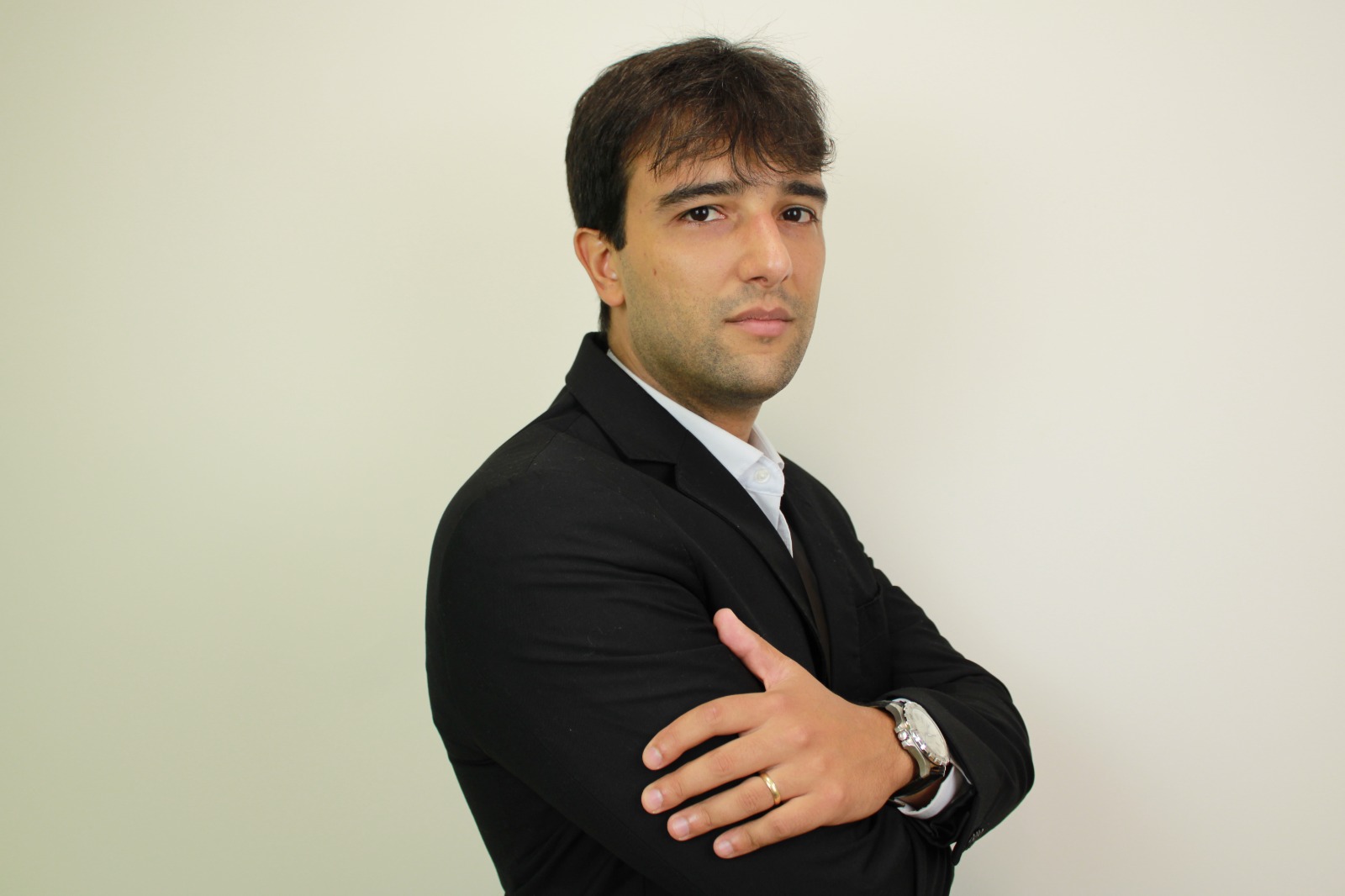
Assistant Professor at the Federal University of Viçosa (DEE/UFV) and in the PPGE/UFV, Coordinator of the Lanp of Behavioral Economics, and Member of the Board of Directors at the Funarbe. Dr. Campos was a Coordinator (2020-2023) of the URE-WG at the YSI/INET, a Researcher (2022-2023) of the Gpid at the DAD/UFV, a Professor (2022) at the Univiçosa, and at the UniAraguaia, an Adjunct Professor (2020-2022) at the DEE/UFV, a Researcher at the Nemea/Cedeplar/UFMG, a Fulbright Visiting Scholar (2018-2019) at the REAL/UIUC, a Consultant (2017-2018) of the Embrapa in the PRS, and a Researcher (2016-2017) at the Economics Subnet at the Climate Network, and he has experience in Applied Economic and Environmental Modeling mainly via Agent-Based Modeling, Systems Dynamics, Social Network Analysis, Computable General Equilibrium, and Quantitative Methods. Practice area: Agricultural and Natural Resource Economics.
EDUCATION
Dr. Campos is Postdoctorate in Applied Economics (2023) from the Federal University of Viçosa (PPGEA/UFV), Ph. D. in Applied Economics (2021) from the Federal University of Minas Gerais (Cedeplar/UFMG), M. Sc. in Applied Economics (2016) from the Federal University of Viçosa (PPGEA/UFV), Graduate in Economic Sciences (2014) from the Federal University of Viçosa (DEE/UFV), and Technician in Business Administration (2008), with an emphasis in Business Management, from the General Edmundo de Macedo Soares e Silva Center of Technological Education (CET/CSN Foundation).
RESEARCH, TEACHING, or OTHER INTERESTS
General Economics, Econometrics and Finance, General Environmental Science, General Social Sciences, General Decision Sciences
Information dissemination in socio-ecological systems: Analysis of a hybrid model of system dynamics and agent-based modeling Rafael Faria de Abreu Campos, Dênis Antônio da Cunha, Newton Paulo Bueno Nova Economia, 2020 Resumo O objetivo deste estudo foi analisar o processo de disseminação de informações em sistemas socioecológicos. Foi construído um modelo de simulação computacional híbrido a partir das abordagens de Dinâmica de Sistemas, Modelagem Baseada em Agentes e Análise de Redes Sociais. Foi realizada análise das características e aspectos estruturais das redes sociais do Perímetro de Irrigação Gorutuba, em Minas Gerais. Os resultados indicaram que os agentes centrais se encontram em posições-chave para o fluxo de informação ou em rotas obrigatórias para sua disseminação, o que os permite filtrar, reter ou até mesmo distorcer o conhecimento. Concluiu-se que políticas que visem aperfeiçoar o fluxo de informações para elevar a resiliência de sistemas devem se basear na focalização de agentes líderes.
The efficiency of municipalities and regions of Minas Gerais in allocation of public spending on education Espacios, 2017