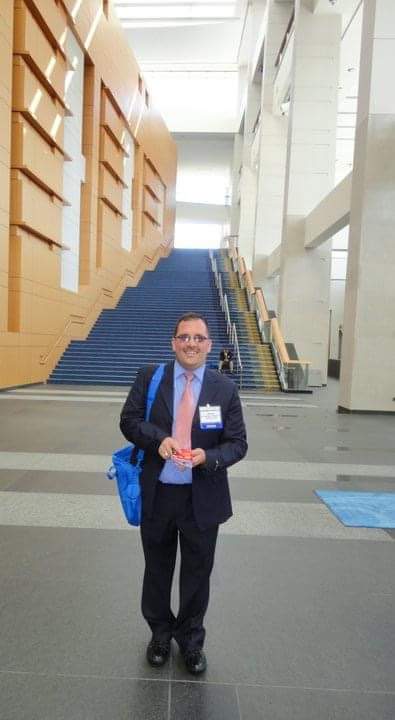
Mustafa Al-Khatieeb

@uobaghdad.edu.iq

Orthodontics Department- College of Dentistry/ University of Baghdad
University of Baghdad College of Dentistry

EDUCATION

BDS, MSc Orthodontics
10

Scopus Publications

169

Scholar Citations

8

Scholar h-index

7

Scholar i10-index

Scopus Publications

  • Assessment of Mechanical Properties of Different Thermoplastic Orthodontic Retainers before and after Thermoforming
    Journal of Babol University of Medical Sciences, 2025
  • Evaluation of Periodontal Ligament Fibroblast Viability in 0.2% Hyaluronic Acid–containing Gel as a Storage Medium for Preserving of Avulsed Teeth: An In Vitro Study
    Zainab Ahmed AL-Rawi, Mustafa M. AL-Khatieeb
    Dental Hypotheses, 2025
    Introduction: We aimed to evaluate the effect of a 0.2% hyaluronic acid–containing gel (Gengigel) on periodontal ligament fibroblast viability in avulsed teeth. Methods: One hundred freshly extracted teeth were collected. The samples were divided into three experimental groups: Gengigel, Hank’s balanced salt solution, and a Dry group. The teeth were immediately immersed in the media and subdivided into three subgroups (10 for each) according to the time intervals: 1, 4, and 8 hours. Cells were examined using a light microscope and a hemocytometer after being labeled with Trypan blue. Results: After 1 hour, the difference between study groups was insignificant (P = 2.203). After 4 and 8 hours, the difference between study groups was significant (P < 0.001). The pairwise post-hoc test revealed significant differences among all study groups at both the 4- (P ≤ 0.002) and 8-hour (P < 0.001) time intervals. Conclusion: Gengigel may serve as an alternative transport medium for preserving fibroblast viability in avulsed teeth.
  • Deflection Load of Different Orthodontic Fixed Lingual Retainers: An in-Vitro Study
    Journal of Advances in Medical and Biomedical Research, 2025
  • Assessment the thermoforming effect on the physical and mechanical properties of different thermoplastic orthodontic retainers: An in vitro study
    Doaa N. Hamid, Mustafa M. AL-Khatieeb
    Journal of Orthodontic Science, 2024
    OBJECTIVES: As patients are instructed to wear thermoplastic retainers for the rest of their lives, the durability of the materials is a critical factor in evaluating whether the expense is justified. This study examined the physical and mechanical properties of three different thermoplastic retainer materials before and after thermoforming (BT and AT). MATERIALS AND METHODS: Clear Advantage Series I, Clear Advantage Series II, and Leone types were used, with each material having a thickness of 1 mm. The materials’ tensile force, hardness, and water absorption tests have been measured for 90 thermoformed and 90 non-thermoformed specimens (30 specimens from each material). RESULTS: The tensile force, hardness, and water absorption values of all the materials differed significantly (P ≤ 0.05) BT. Additionally, the majority of the materials showed significant differences in water absorption, hardness, and tensile force (P ≤ 0.05) AT, except the Leone materials, and Clear Advantage Series I did not significantly differ in the case of hardness value. All studied materials showed an increase in hardness and water absorption AT (P ≤ 0.05). At the same time, all of the studied materials showed a significant decrease in tensile force after thermoforming. CONCLUSION: Thermoforming increases the material’s water absorption while decreasing its stiffness, affecting its mechanical and physical properties. Clear Advantage Series II (PP) stood out with superior flexibility, wear resistance, and minimal water absorption compared to other materials, highlighting its durability and superiority.
  • Occlusal Features and Temporomandibular Joint Disorder: A Cross-Sectional Study
    Mustafa M. Al-Khatieeb, Layth M. Nissan, Yasir R. Al-Labban, Mushriq Abid
    International Journal of Dentistry, 2024
    Background. Understanding the correlation between temporomandibular joint disorder (TMD) parameters and various occlusal features can play a significant role in diagnosing and treating occlusal problems and their potential consequences on TMD. Objectives. To investigate the relationship of occlusal features and some of the TMD parameters. Study Design and Sampling. The current cross-sectional study was conducted on 200 TMD patients seeking dental treatment at different dental centers in Baghdad city, aged 18–35 years. All participants underwent assessment for occlusal features, which were molar and canine classifications, overjet, posterior buccal or lingual crossbites, and overbites, and TMD parameters (muscle pain, TMJ pain, and clicking) using the Chi-square test for statistical analysis. Results. Regarding molar classification, there were strong positive correlations between subjects with TMD and having different molar classifications (class I, II, and III) bilaterally or unilaterally; furthermore, there were strong positive correlations between subjects with TMD and having different canine classifications. Moreover, there were significant correlations between subjects with increased, normal, or decreased overjet and the TMD parameters. In addition, there were weak positive correlations between TMD occurrence and buccal or lingual posterior crossbite. On the other hand, there were significant correlations between subjects with a decreased overbite and the presence of TMD parameters. Conclusion. TMD had a multifactorial background rather than dependability on a specific molar or canine classification type. There was also a correlation between overjet and TMD muscle pain, while decreased overbite was correlated to muscle and TMJ pain. Conversely, there is no vital correlation between posterior buccal or lingual crossbite occurrence and TMD parameters.
  • Evaluation of frictional forces between aesthetic brackets and archwires in wet conditions (An in-vitro study)
    Bionatura, 2023
  • The impact of calcitriol on orthodontic tooth movement: A cumulative systematic review and meta-analysis
    Ali Al-Attar, Mushriq Abid, Arkadiusz Dziedzic, Mustafa M. Al-Khatieeb, Maisa Seppala, et al.
    Applied Sciences Switzerland, 2021
    A cumulative review with a systematic approach aimed to provide a comparison of studies’ investigating the possible impact of the active form of vitamin D3, calcitriol (CTL), on the tooth movement caused by orthodontic forces (OTM) by evaluating the quality of evidence, based on collating current data from animal model studies, in vivo cell culture studies, and human clinical trials. Methods: A strict systematic review protocol was applied following the application of the International Prospective Register of Systematic Reviews (PROSPERO). A structured search strategy, including main keywords, was defined during detailed search with the application of electronic database systems: Medline/Pubmed, EMBASE, Scopus, Web of Science, and PsycINFO. In addition, a search was carried out with the use of ClinicalTrials.gov search in order to include ongoing or recently completed trials. The Oxford Level of Evidence and the Grading of Recommendations Assessment, Development, and Evaluation (GRADE) approach was utilized to critically evaluate the risk of bias and relative quality of studies included. Meta-analysis with the use of RevMan5 software, random effect, and inverted variable method allowed the quantification of cumulative results. Results: Twenty-seven studies were identified which fulfilled inclusion criteria, including two clinical studies. The assessed level of evidence was variable and inconsistent, predominantly being moderate or low due to a significant difference in study design, sample size, and study protocols. Data synthesis rendered from meta-analysis involving various CTL doses demonstrated slight discrepancies in tooth movement between control and experimental groups (mean difference = 0.27; 95% CI: 0.01–0.53, std mean difference = 0.49; 95% CI: 0.09–0.89), as well as relatively moderate heterogenicity. Conclusions: Although it has been suggested that CTL could accelerate OTM in animal studies and clinical context, these scarce data were supported by a low level of evidence and the studies were carried out using inadequate sample size. Well-powered RCT studies would help to overcome the lack of robustness of the research.
  • Effect of ageing media on shear bond strength of metal orthodontic brackets bonded with different adhesive systems (A comparative in-vitro study)
    Ahmed D Hatf, Mustafa M AL-Khatieeb
    Journal of Baghdad College of Dentistry, 2020
    Background: The aim of this study was to evaluate the shear bond strength (SBS) and adhesive remnant index (ARI) of different orthodontic adhesive systems after exposure to aging media (water storage and acid challenge). Materials and methods: Eighty human upper premolar teeth were extracted for orthodontic purposes and randomly divided into two groups (40 teeth each): the first group in which the bonded teeth were stored in distilled water for 30 days at 37°C, and the second group in which the bonded teeth were subjected to acid challenge. Each group was further subdivided into four subgroups (10 teeth each) according to the type of adhesive system that would be bonded to metal brackets: either non-fluoride releasing adhesive (NFRA), fluoride releasing adhesive (FRA), Fluoride releasing bond with self-etching primer (FRBSP), or powder and liquid orthodontic fluoride releasing adhesive (PLFRA). After 30 days of water storage and acid challenge ageing procedures, the SBS was determined using Instron testing machine with a crosshead speed of 1 mm/min. The ARI was assessed using a stereomicroscope with 10 X magnification. Result: The SBS testing revealed significant differences (p< 0.05) among the four tested adhesive systems in water storage and acid challenge groups using ANOVA F-test. In both groups, the NFRA subgroup exhibited the highest mean SBS value, followed by FRASP, then FRA subgroups, while the PLFRA subgroup had the lowest value of mean SBS. The independent t-test showed non-significant differences in mean SBS values between water storage and acid challenge groups. In respect to the ARI analysis, the Chi-square test showed significant differences among the tested adhesive systems. Conclusion: The shear bond strength of the fluoride releasing adhesive system was less than that of the non-fluoride releasing adhesive system, but still above the clinically acceptable range.
  • Antimicrobial efficacy of silver, zinc oxide, and titanium dioxide nanoparticles incorporated in orthodontic bonding agent
    Sarah Y Hailan, Mustafa M. Al-Khatieeb
    Journal of Baghdad College of Dentistry, 2019
    Background: One of the most important complications of fixed orthodontic treatment is formation of white spots, which are initial carious lesions. Addition of antimicrobial agents into orthodontic adhesive material might be wise solution for prevention of white spots formation. The aim of this study was to evaluate the antibacterial properties of orthodontic adhesive primer against S. Mutans after adding the three different types of nanoparticles (Ag, ZnO, or TiO2). Materials and methods: Discs were prepared using empty insulin syringe approximately 2 mm×2 mm rounded in shape specimens (40 discs) were divided into four groups (ten discs for each group): The first group was the control (made from primer only), the second group (10 discs made from primer and incorporation of Ag NPs), the third group (10 discs made from primer and incorporation of ZnO NPs), and the fourth group (10 discs made from primer and incorporation of TiO2 NPs). The antibacterial properties of orthodontic bonding agent after incorporation of (Ag, ZnO, or TiO2) nanoparticles were evaluated by disc diffusion test and viable count of mutans streptococci. Results: The results of this study showed that there were high significant differences between the all groups using ANOVA F-test, and the colony forming unit were 99×10³, 39.6×10³, 19.4×10³, 6.6×10³ CFU/mL respectively. Conclusion: The incorporation of these nanoparticles (Ag, ZnO, or TiO2) into Transbond ™ XT adhesive primer helps to enhance the antibacterial properties of primer against the S. mutans.
  • The relationship between orthodontic force applied by monoblock and salivary levels of alkaline phosphatase and lactate dehydrogenase enzymes
    Mustafa M Al-Khatieeb, Reem A Rafeeq, Alan I Saleem
    Journal of Contemporary Dental Practice, 2018
    AIM The current study was aimed to determine the relationship between the orthodontic force applied by monobloc and the salivary level of alkaline phosphatase (ALP) and lactate dehydrogenase (LDH) enzymes, considering the time factor after insertion of the appliance and whether there is a correlation between these enzymes. MATERIALS AND METHODS A sample of 28 growing patients requiring orthodontic treatment with myofunctional appliance (Monoblock) was taken for the current study with an age range 9 to 12 years,all patients had Angle's class II division 1 mal-occlusion with no or mild crowding, the sample was selected using simple random sampling. Only 16 subjects (10 males and 6 females) were included who follow certain inclusion criteria. Unstimulated saliva was collected from the patients before monoblock insertion, then 1 hour after insertion, followed by 14 days and 28 days. Salivary levels of ALP and LDH were measured using a spectrophotometer and compared with the base line. RESULTS The results revealed that ALP and LDH levels increased with increasing time after monoblock insertion, and there was the statistically insignificant difference after 1-hour post-insertion for ALP enzyme level, but highly significant after 14 and 28 days. While for LDH level,there was the statistically significant difference after 1-hour post-insertion, but highly significant difference after 14 and 28 days post-insertion. In this regard to the relation between salivary ALP and LDH enzymes levels at different time intervals, showed that there were no significant correlations between the enzymes using Pearson's correlation test. CONCLUSION The ALP and LDH salivary enzymes activity is affected by mechanical forces generated by monobloc activator and these enzymes activities can also be increased during the rapid growth phase of childhood such as late infancy and early puberty where the age of subjects was selected in the current study. CLINICAL SIGNIFICANCE The determination of ALP and LDH salivary enzymes activities during the skeletal maturity is crucial for the success of myofunctional monobloc treatment; therefore, saliva can be used as a noninvasive diagnostic tool for determination of chemical biomarkers for detection of bone remodeling process during myofunctional monoblock treatment Keywords: Alkaline phosphatase (ALP), Lactate dehydrogenase (LDH), Monoblock, Orthodontic force, Salivary levels.

RECENT SCHOLAR PUBLICATIONS

  • Deflection Load of Different Orthodontic Fixed Lingual Retainers: An in-Vitro Study
    MMALK Noor A. Hussain
    Journal of Advances in Medical and Biomedical Research | ISSN:2676-6264 33 … , 2025
    2025
  • Assessment of Mechanical Properties of Different Thermoplastic Orthodontic Retainers before and after Thermoforming
    MMAK DN Hamid
    Journal of Babol University of Medical Sciences, 27 (e39), 1-8 , 2025
    2025
  • Evaluation of Periodontal Ligament Fibroblast Viability in 0.2% Hyaluronic Acid–containing Gel as a Storage Medium for Preserving of Avulsed Teeth: An In Vitro Study
    ZA AL-Rawi, MM AL-Khatieeb
    Dental Hypotheses 16 (1), 17-19 , 2025
    2025
  • Maximum Deflection Level of Different Orthodontic Fixed Lingual Retainers at Failure Occurrence
    NA Hussain, MM Al-Khatieeb
    Tikrit Journal for Dental Sciences 12 (2), 399-409 , 2024
    2024
  • Assessment the thermoforming effect on the physical and mechanical properties of different thermoplastic orthodontic retainers: An in vitro study
    DNHMM AL-Khatieeb
    Journal of Orthodontic Science 13 (41), 1-7 , 2024
    2024
    Citations: 4
  • AI and Conventional Techniques used for Drugs and Orthodontic Tooth Movement
    MW Ameen, MM Al-Khatieeb
    Journal Port Science Research 7 (3), 237-253 , 2024
    2024
  • Characteristics of Gubernacular Canal of Impacted/Unerupted Canine in Relation to Eruption Status by Using CBCT
    TS Almoosa, MM AL-Khatieeb
    Tikrit Journal for Dental Sciences 12 (1), 78-88 , 2024
    2024
    Citations: 1
  • Occlusal Features and Temporomandibular Joint Disorder: A Cross-Sectional Study
    Mustafa M. Al-Khatieeb, Layth M. Nissan, Yasir R. Al-Labban, Mushriq Abid
    International Journal of Dentistry 2024 (18 May 2024), 1-8 , 2024
    2024
    Citations: 10
  • Evaluation of frictional forces between aesthetic brackets and archwires in wet conditions (An in-vitro study)
    MMALK Aya Muneer Abdulsattar 1,*
    Revista Bionatura 8 (4), 1-12 , 2023
    2023
  • Damon Ultima System
    DAAH Mohsen, MM Al-Khatieeb
    2023
  • Assessment of Periodontal Ligament Fibroblast Viability in Dymatize® Elite Casein as a Transport Medium for Avulsed Teeth at Different Time Intervals (An in - vitro study)
    MMALK Zainab Ahmed AL-Rawi
    MDJ 19 (2), 217-231 , 2023
    2023
  • The Impact of Calcitriol on Orthodontic Tooth Movement: A Cumulative Systematic Review and Meta-Analysis
    MTCHA Ali Al-Attar , Mushriq Abid , Arkadiusz Dziedzic , Mustafa M. Al ...
    Applied Sciences 11 (8882), 1-14 , 2021
    2021
    Citations: 14
  • A Comparison of Shear Bond Strength Values of Recycled Self-Ligating Ceramic Brackets with a New Ones (An-in Vitro Study)
    MMAK Zain Alabideen Ahmed
    Indian Journal of Forensic Medicine & Toxicology 15 (3), 1673 , 2021
    2021
    Citations: 2
  • Effect of ageing media on shear bond strength of metal orthodontic brackets bonded with different adhesive systems (A comparative in-vitro study)
    AD Hatf, MM AL-Khatieeb
    Journal of Baghdad College of Dentistry 32 (4), 5-11 , 2020
    2020
    Citations: 10
  • Different Orthodontic Adhesive Systems and Enamel Demineralization Around Metal Brackets Assessed by a Laser Fluorescence Device (A Comparative an in-vitro study)
    MMALK Ahmed Dhiaa Hatf
    Journal of Research in Medical and Dental Science 8 (7), 16-23 , 2020
    2020
    Citations: 5
  • Shear bond strength of rebonded self ligating ceramic brackets after different reconditioning procedures (a comparative an in vitro study)
    ZA Ahmed, MM Al-Khatieeb
    Journal of Research in Medical and Dental Science 8 (1), 144-151 , 2020
    2020
    Citations: 2
  • Antimicrobial efficacy of silver, zinc oxide, and titanium dioxide nanoparticles incorporated in orthodontic bonding agent
    SY Hailan, MM Al-Khatieeb
    Journal of baghdad college of dentistry 31 (3), 10-16 , 2019
    2019
    Citations: 21
  • The relationship between orthodontic force applied by monoblock and salivary levels of alkaline phosphatase and lactate dehydrogenase enzymes
    MM Al-Khatieeb, RA Rafeeq, AI Saleem
    The Journal of Contemporary Dental Practice 19 (11), 1346-1351 , 2019
    2019
    Citations: 9
  • The effects of incorporating some additives on shear bond strength of orthodontic adhesive (an in-vitro study)
    SY Hailan, MM Al-Khatieeb
    Int J Med Res Health Sci 7 (11), 11-18 , 2018
    2018
    Citations: 5
  • Shear Bond Strength and Excess Adhesive Surface Topography of Different Bonding Systems after Thermocycling: A Comparative In-vitro Study
    SDA Mustafa M. Al-Khatieeb
    International Journal of Medical Research & Health Sciences 7 (3), 46-54 , 2018
    2018
    Citations: 11

MOST CITED SCHOLAR PUBLICATIONS

  • Antimicrobial efficacy of silver, zinc oxide, and titanium dioxide nanoparticles incorporated in orthodontic bonding agent
    SY Hailan, MM Al-Khatieeb
    Journal of baghdad college of dentistry 31 (3), 10-16 , 2019
    2019
    Citations: 21
  • Evaluation of a new orthodontic bonding system (Beauty Ortho Bond)
    MM Al-Khatieeb, SA Mohammed, AM Al-Attar
    Journal of Baghdad College of Dentistry 27 (1), 175-181 , 2015
    2015
    Citations: 19
  • The Impact of Calcitriol on Orthodontic Tooth Movement: A Cumulative Systematic Review and Meta-Analysis
    MTCHA Ali Al-Attar , Mushriq Abid , Arkadiusz Dziedzic , Mustafa M. Al ...
    Applied Sciences 11 (8882), 1-14 , 2021
    2021
    Citations: 14
  • Shear Bond Strength and Excess Adhesive Surface Topography of Different Bonding Systems after Thermocycling: A Comparative In-vitro Study
    SDA Mustafa M. Al-Khatieeb
    International Journal of Medical Research & Health Sciences 7 (3), 46-54 , 2018
    2018
    Citations: 11
  • Occlusal Features and Temporomandibular Joint Disorder: A Cross-Sectional Study
    Mustafa M. Al-Khatieeb, Layth M. Nissan, Yasir R. Al-Labban, Mushriq Abid
    International Journal of Dentistry 2024 (18 May 2024), 1-8 , 2024
    2024
    Citations: 10
  • Effect of ageing media on shear bond strength of metal orthodontic brackets bonded with different adhesive systems (A comparative in-vitro study)
    AD Hatf, MM AL-Khatieeb
    Journal of Baghdad College of Dentistry 32 (4), 5-11 , 2020
    2020
    Citations: 10
  • Association of ABO Blood Group and Rhesus Factor with Dental Malocclusion in a Population of Baghdad, Iraq
    SST Mustafa M Al-Khatieeb, Sami K Al-Joubori
    International Journal of Medical Research & Health Sciences 7 (1), 165-159 , 2018
    2018
    Citations: 10
  • The relationship between orthodontic force applied by monoblock and salivary levels of alkaline phosphatase and lactate dehydrogenase enzymes
    MM Al-Khatieeb, RA Rafeeq, AI Saleem
    The Journal of Contemporary Dental Practice 19 (11), 1346-1351 , 2019
    2019
    Citations: 9
  • Effect of Reducing Curing Time on the Shear Bond Strength of Metal Orthodontic Brackets:An in Vitro Comparative Study
    Mustafa M. Al-Khatieeb, Mohammed Nahidh, Noor F K Al-khawaja
    ijsr 6 (6), 201-206 , 2017
    2017
    Citations: 8
  • A new calibration procedure for expectation of arch length
    MM Al-Khatieeb, LMK Nissan, MF Al-Janabi
    Scientific Journal Published by the College of Dentistry–University of … , 2012
    2012
    Citations: 8
  • Sexual Dimorphism of Calvarial Thickness Parameter in Different Skeletal Patterns
    MM Al-Khatieeb
    Mustansiria Dent J 8 (2), 144-151 , 2011
    2011
    Citations: 7
  • Bacteraemia following different orthodontic treatment procedures
    MM Al-Khatieeb
    Mustansiriya Dental Journal 6 (2), 117-124 , 2009
    2009
    Citations: 7
  • Different Orthodontic Adhesive Systems and Enamel Demineralization Around Metal Brackets Assessed by a Laser Fluorescence Device (A Comparative an in-vitro study)
    MMALK Ahmed Dhiaa Hatf
    Journal of Research in Medical and Dental Science 8 (7), 16-23 , 2020
    2020
    Citations: 5
  • The effects of incorporating some additives on shear bond strength of orthodontic adhesive (an in-vitro study)
    SY Hailan, MM Al-Khatieeb
    Int J Med Res Health Sci 7 (11), 11-18 , 2018
    2018
    Citations: 5
  • Clinical performance comparison of a clear advantage series II durable retainer with different retainers' types
    MM Al-Khatieeb
    Scientific Journal Published by the College of Dentistry–University of … , 2012
    2012
    Citations: 5
  • Influence of different recycling protocols on load deflection of nickel titanium orthodontic wire (An in vitro study)
    MM Al-Khatieeb
    J Bagh Coll Dentistry 20 (1), 105-110 , 2008
    2008
    Citations: 5
  • Assessment the thermoforming effect on the physical and mechanical properties of different thermoplastic orthodontic retainers: An in vitro study
    DNHMM AL-Khatieeb
    Journal of Orthodontic Science 13 (41), 1-7 , 2024
    2024
    Citations: 4
  • The effect of fluoride prophylactic agents on load deflection of Nickel titanium orthodontic wires (an in vitro study)
    MM Al-Khatieeb
    A master thesis, Orthodontic Department, University of Baghdad , 2006
    2006
    Citations: 3
  • A Comparison of Shear Bond Strength Values of Recycled Self-Ligating Ceramic Brackets with a New Ones (An-in Vitro Study)
    MMAK Zain Alabideen Ahmed
    Indian Journal of Forensic Medicine & Toxicology 15 (3), 1673 , 2021
    2021
    Citations: 2
  • Shear bond strength of rebonded self ligating ceramic brackets after different reconditioning procedures (a comparative an in vitro study)
    ZA Ahmed, MM Al-Khatieeb
    Journal of Research in Medical and Dental Science 8 (1), 144-151 , 2020
    2020
    Citations: 2