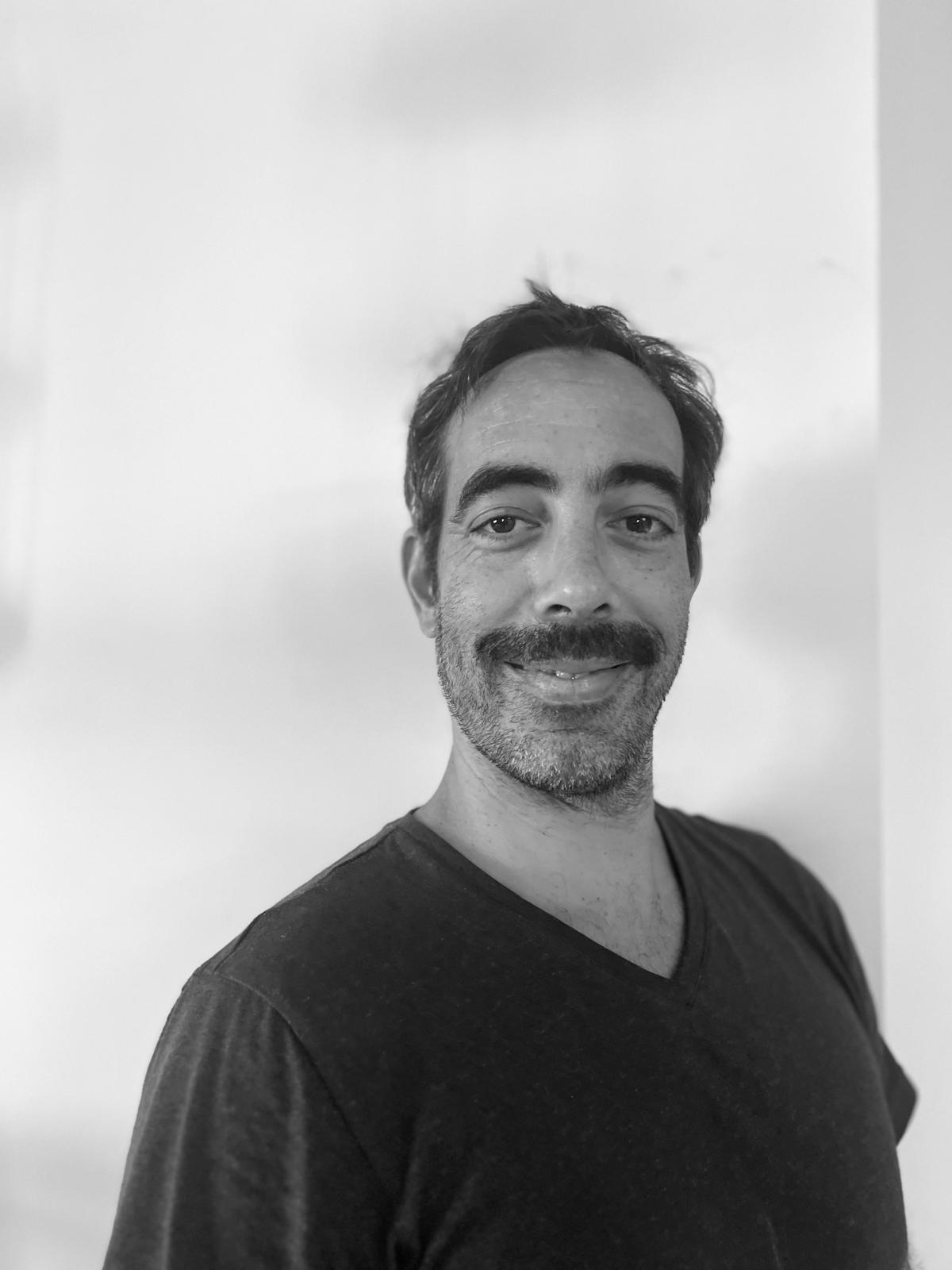
Carlos Angulo Preckler

@tajrc.kaust.edu.sa

Research Scientist at Biological and Environmental Science & Engineering Division (BESE) at King Abdullah University of Science and Technology (KAUST)
www.kaust.edu.sa/en/

RESEARCH, TEACHING, or OTHER INTERESTS

Aquatic Science, Animal Science and Zoology, Ecology, Evolution, Behavior and Systematics, Molecular Biology
47

Scopus Publications

Scopus Publications

  • Decades of conservation and monitoring reveal population recovery in a globally important loggerhead rookery
    Cassandra Roch, Carlos Angulo-Preckler, Kenydjeer Lima Rodrigues, Hugo Mann, Hector Barrios-Garrido, Natalie Wildermann, Luis F. López-Jurado, Ana Liria-Loza, Maria Medina-Suarez, Carlos M. Duarte
    Biological Conservation, 2026
  • Assessing Prokaryotic Benthic Communities in the Red Sea
    Christopher A. Hempel, Larissa Frühe, Sofia Frappi, Elisa Laiolo, Kah Kheng Lim, Diego E. Rivera Rosas, Amal A. Bajaffer, Wajitha J. R. M. Sait, Alexandra Steckbauer, Taiba Alamoudi, Jacqueline V. Alva García, Shannon G. Klein, Anieka J. Parry, Mohammad A. Qurban, Vincent A. Pieribone, Carlos Angulo‐Preckler, Carlos M. Duarte
    Environmental Microbiology, 2026
    Marine sediments host diverse benthic prokaryotic communities that are integral to global biogeochemical cycles. However, the spatial distribution and environmental drivers of these communities, particularly in unique environments like the Red Sea, remain largely underexplored. In this study, we examine benthic prokaryotic communities sampled during the Red Sea Decade Expedition (RSDE) using 16S rRNA gene sequencing across five major regions along the Red Sea's latitudinal gradient and three depth strata. Our findings reveal distinct biogeographical patterns shaped by depth, latitude, and oxygen availability, with clear shifts in microbial community composition across the epibenthic, mesobenthic and bathybenthic zones. Bathybenthic communities exhibited consistently low levels of OTU richness throughout the Red Sea, likely due to uniform niche environmental conditions at depth, while shallower communities showed higher OTU richness towards the Southern Red Sea. The southern region harboured higher relative abundances of Chloroflexi and reduced relative abundances of Proteobacteria and Acidobacteriota relative to the northern regions. Extreme environments, such as the Atlantis II brine pool, supported specialised microbial communities likely adapted to extreme conditions like hypersalinity. This study established a critical baseline for understanding the responses of marine microbial communities to climate change and their roles in biogeochemical processes.
  • Heat stress triggers distinct transcriptomic responses in cold-adapted Antarctic marine invertebrates
    Andrea Prófumo, Octavio R. Salazar, Carlos Angulo-Preckler, Carlos M. Duarte, Manuel Aranda, Conxita Avila
    Frontiers in Marine Science, 2026
    Antarctic marine invertebrates are sensitive to temperature fluctuations, and therefore vulnerable to ongoing ocean warming. To investigate molecular responses to heat stress, the benthic isopod Spinoserolis beddardi and the asteroid Diplasterias sp., both adapted to ~0 °C conditions, were used. Organisms were exposed to short-term thermal increments of +3 °C and +7 °C in controlled aquarium experiments. After one week, transcriptomes were sequenced, generating a total of 245 Gb (26 libraries) for Diplasterias sp. and 312 Gb (29 libraries) for S. beddardi . sp. De novo assemblies yielded 392,214 and 438,423 protein-coding transcripts, of which 75,983 and 65,497, respectively, had significant matches to metazoan proteins. S. beddardi showed a faster but limited response, with high transcriptional activation at +3 °C (1,140 up- and 733 down-regulated transcripts) but reduced differential expression at +7 ºC, a temperature that induced mortality and phenotypic stress. Contrarily, Diplasterias sp. displayed broader transcriptional changes increasing with temperature, with 1,175 up- and 1,128 down-regulated transcripts at +7 °C and significant differences between treatments. GO and KEGG enrichment analyses indicated that cellular structure, metabolic pathways, protein folding, and reproductive processes underpin thermal stress responses of both species. This study provides the first comparative transcriptomic insight into the heat stress responses in these two Antarctic benthic invertebrates, offering a framework to assess their resilience under projected ocean warming scenarios.
  • Addressing false negatives and positives in eDNA studies
    Amal Bajaffer, Lutfi Afiq‐Rosli, Kah Kheng Lim, Sofia Frappi, Michelle‐Nicole Havlik, Diego E. Rivera Rosas, Elisa Laiolo, Carlos Angulo‐Preckler, Carlos M. Duarte
    Methods in Ecology and Evolution, 2026
    Environmental DNA (eDNA) has revolutionized the study of ecology and biodiversity, enabling species detection without direct observation in the environment. However, the implications of detection errors, specifically false positives and false negatives, are poorly reported in eDNA studies, significantly hindering our understanding of the technique's limitations and the contexts in which it may not work. To improve transparency, strengthen methodologies and support more accurate ecological interpretations, this paper advocates for the comprehensive reporting of all findings in eDNA studies, especially detection errors arising from issues in sampling, preservation, laboratory workflow and bioinformatics. By pointing out the methodological challenges associated with eDNA research, we highlight the importance of methodological rigour and the need for comprehensive reporting procedures. This approach not only encourages scientific advancement but also enables sound ecological inference. We conclude by calling for standardized practices and transparency in eDNA research to advance a more sophisticated understanding of ecosystem dynamics and biodiversity.
  • Environmental Gradients and Ecological Processes Are Main Drivers of Eukaryotic Diversity in the Eastern Red Sea
    Carlos Angulo‐Preckler, Sofia Frappi, Elisa Laiolo, Kah Kheng Lim, Diego E. Rivera Rosas, Christopher A. Hempel, Larissa Frühe, Anastasiia Martynova, Alexandra Steckbauer, Taiba Alamoudi, Shannon G. Klein, Vincent A. Pieribone, Mohammad A. Qurban, Susana Agusti, Carlos M. Duarte
    Environmental DNA, 2026
    Microeukaryotes, including protists, microalgae, and small fungi, are fundamental components of marine ecosystems, driving energy transfer, nutrient cycling, and primary production. Despite their ecological significance, they remain understudied due to their small size and taxonomic complexity. Here, we present a comprehensive assessment of eukaryotic diversity across the entire water column of the Eastern Red Sea, integrating surface to deep‐sea layers along a latitudinal gradient. Environmental DNA metabarcoding of bottle‐net hauls from 266 samples across 128 stations spanning the eastern Red Sea revealed 4298 MOTUs from 40 phyla, with a substantial fraction lacking reliable taxonomic assignments. While traditional diversity indices showed little variation across regions or depths, multivariate analyses revealed pronounced community turnover along the latitudinal gradient and subtler vertical structuring. Temperature, dissolved oxygen, and turbidity emerged as significant correlates of β‐diversity, with the remainder likely reflecting unmeasured drivers. Despite a large core of MOTUs shared across epipelagic, mesopelagic, and bathypelagic layers, ecological groups displayed depth‐specific abundance patterns, and co‐occurrence networks identified phototrophic and microbial hubs with a southward shift toward stronger benthic–pelagic coupling. Notably, we observed a latitudinal transition from fungal‐ and algal‐dominated communities in the north to more complex microbial–benthic–vertebrate networks in the south. Our results indicate that Red Sea eukaryote communities are shaped by both abiotic gradients and biological interactions, and that water column‐integrated sampling reduces depth bias and captures biodiversity patterns overlooked by single‐depth surveys. This work provides a regional baseline for biodiversity monitoring and conservation in a rapidly changing tropical sea.
  • Are Sponges Good Natural Sentinels for Monitoring Fish Diversity in Antarctic Coastal Waters?
    Carlos Angulo‐Preckler, Marta Turon, Oriol Sacristan‐Soriano, Kim Præbel, Conxita Avila, Owen Simon Wangensteen
    Ecology and Evolution, 2025
    Monitoring biodiversity in Antarctic ecosystems poses significant challenges, particularly due to the harsh environment. Traditional methods, such as beach seines, are time‐consuming, resource‐intensive, and difficult to carry out in Antarctica. To address these limitations, eDNA‐based techniques have emerged as a valuable alternative. We employed eDNA metabarcoding from water samples and sponges to assess coastal fish communities along the Western Antarctic Peninsula, aiming to explore species diversity across a latitudinal gradient. Our analysis identified 14 Antarctic fish species and one marine mammal. Although previous research has validated the use of sponge‐derived DNA for fish biodiversity studies, our results showed that seawater samples provided a very similar or, in many cases, an even more comprehensive view of the fish community. Interestingly, while sponge species exhibited variability in their performance, no significant differences were observed among them. Both water and sponge samples revealed similar beta diversity patterns, successfully capturing community composition at each location. The coastal fish fauna in the studied areas is highly dominated by notothenioids, with the genera Notothenia , Lindbergichthys , and Trematomus being the most abundant. All the species detected in both water and sponge samples were endemic to Antarctica, widely distributed, and previously known to inhabit the region. These findings are especially important given the increasing human activities, including commercial fishing and krill harvesting, that are impacting the Antarctic marine ecosystem.
  • Towards inclusive global collaborations in coral reef science
    Cassandra Roch, Shannon G. Klein, Carlos Angulo-Preckler, Andreas A. Hutahaean, Joshua Wambugu, Anaurora Yranzo-Duque, Taiba Alamoudi, Aya Naseem, Patricia González-Díaz, Narriman Jiddawi, Naira Pluma, Bashaer Algethami, Carlos M. Duarte
    Npj Ocean Sustainability, 2025
    Protecting and restoring coral reefs demands concerted global efforts that transcend national boundaries. However, equitable participation in coral reef science remains challenging, particularly for researchers from lower-income nations. Through quantitative scientometric analyses and qualitative surveys, we examined global collaboration dynamics in coral reef research. Our findings reveal that high-income countries dominate the research landscape, often sidelining contributions from lower-income regions. While international collaborations were valued for benefits like access to funding, opportunities for professional development, enhanced publication success and improved conservation outcomes, most partnerships were short-term, with limited opportunities for evolving roles. Researchers from developing nations face significant barriers, including undervaluation of contributions, differing expectations around authorship, and ethical concerns like parachute science and tokenism, raising concerns about inclusivity and respect for local expertise. To improve collaborative practices and increase participation in coral reef science we propose actionable recommendations directed towards publishers, funders and the greater coral reef research community. We recommend fostering mutual respect, building long-term relationships, and promoting fair funding and publishing practices. These steps are essential for equitable research collaborations that support coral reefs and the communities that depend on them.
  • Surface waters meso- and micro-litter around the Western Antarctic Peninsula: Are the South Shetland Islands a pollution hotspot?
    Pere Monràs-Riera, Luis Francisco Ruiz-Orejón, Carlos Angulo-Preckler, Rafael Sardá, Conxita Avila
    Environmental Research, 2025
    Not even the most remote and pristine oceanic regions, such as the Southern Ocean, are immune to the impacts of marine litter. This study presents novel data on surface waters meso- and micro-litter along the Western Antarctic Peninsula and Livingston Island (South Shetland Islands) across two summer campaigns (2022–2023), providing one of the broadest assessments of marine debris in Antarctica (62° S to 67° S). Litter was detected at all sampling sites, with abundances ranging from 0.019 ± 0.033 to 0.193 ± 0.104 items m −3 along the Western Antarctic Peninsula (average: 0.086 ± 0.082 items m −3 ). The South Shetland Islands exhibited significantly higher litter abundances compared to higher-latitude sites. Our results show that litter distribution correlates with human activity intensity, with latitude and the personnel density of nearby research stations as key influencing factors. The South Shetland Islands emerged as an Antarctic marine litter hotspot, likely driven by the concentration of Antarctic facilities and other anthropogenic activities. Litter was primarily composed of synthetic fibres, especially polyester and nylon, pointing to local human sources. Additionally, a decrease in marine litter was observed at Livingston Island between campaigns, with abundance declining from 0.235 ± 0.152 items m −3 to 0.116 ± 0.033 items m −3 . This highlights the need for ongoing monitoring to capture interannual variability, avoid seasonal biases, and better understand marine litter dynamics in the Southern Ocean to guide conservation efforts. These findings underscore human impact in Antarctica and the urgent need for better waste management and stricter environmental regulation enforcement. • Marine litter is widespread along the Western Antarctic Peninsula (62 - 67° S). • The South Shetland Islands are a marine meso- and micro-litter Antarctic hotspot. • Litter abundance correlated with lower latitudes and higher-capacity stations. • Polyester and nylon fibres dominate surface waters, suggesting local sources. • Stricter waste rules, better compliance, and long-term monitoring are needed.
  • Benthic Feeding and Diet Partitioning in Red Sea Mesopelagic Fish Resolved Through DNA Metabarcoding and ROV Footage
    Kah Kheng Lim, Carlos Angulo‐Preckler, Christopher A. Hempel, Mohammad A. Qurban, Vincent A. Pieribone, Carlos M. Duarte
    Ecology and Evolution, 2025
    Mesopelagic fish are among the most abundant vertebrates on Earth and play a crucial role in carbon sequestration through their daily vertical migration. However, their dietary ecology remains poorly understood, especially in the Red Sea, limiting our grasp of their trophic interactions and ecological roles. This study investigates the dietary composition of two common mesopelagic fish species in the Red Sea, the lanternfish (Benthosema taxa) and the endemic lightfish (Vinciguerria mabahiss), using DNA metabarcoding of the mitochondrial COI marker, supplemented by remotely operated vehicle (ROV) video observations. Our findings show that V. mabahiss exhibits higher prey diversity compared to Benthosema taxa, suggesting a more generalist feeding strategy. Both species primarily consume copepods, likely due to the high abundance of copepods in the upper 200 m of the Red Sea. Despite this commonality, distinct dietary niches were observed: Benthosema taxa consumes significant amounts of molluscs, followed by annelids and echinoderms, while V. mabahiss occasionally consumes gelatinous prey such as hydrozoans and scyphozoans. Notably, our ROV video footage demonstrates that these mesopelagic fish engage in benthic feeding on the continental slope, a behavior rarely documented. By consuming and redistributing organic material through their diel vertical migrations, mesopelagic fish contribute to the biological carbon pump, with important implications for carbon sequestration processes in the ocean. Future studies integrating DNA metabarcoding with stable isotope analysis could provide deeper insights into dietary partitioning and the ecological contributions of these mesopelagic fish species to the Red Sea ecosystem and beyond.
  • Particle-Associated Bacterioplankton Communities Across the Red Sea
    Larissa Frühe, Shannon G. Klein, Carlos Angulo‐Preckler, Anastasiia Martynova, Taiba Alamoudi, Jacqueline V. Alva García, Silvia Arossa, Jessica Breavington, Sofia Frappi, Elisa Laiolo, Kah Kheng Lim, Anieka J. Parry, Eleonora Re, Diego E. Rivera Rosas, Mattie Rodrigue, Alexandra Steckbauer, Vincent A. Pieribone, Mohammad A. Qurban, Carlos M. Duarte
    Environmental Microbiology, 2025
    Pelagic particle‐associated bacterioplankton play crucial roles in marine ecosystems, influencing biogeochemical cycling and ecosystem functioning. However, their diversity, composition, and dynamics remain poorly understood, particularly in unique environments such as the Red Sea. In this study, we employed eDNA metabarcoding to comprehensively characterise bacterioplankton communities associated with pelagic particles in a three‐dimensional assessment spanning depths from the surface to a depth of 2300 m along the full length of the eastern Red Sea within the exclusive economic zone of the Kingdom of Saudi Arabia. Our results reveal a diverse assemblage of taxa, with Pseudomonadota, Cyanobacteriota, and Planctomycetota being the dominant phyla. We identified pronounced spatial variability in community composition among five major Red Sea geographical regions, with a third of all amplicon sequence variants being unique to the Southern Red Sea in contrast to a relatively homogenous distribution along the water column depth gradient. Our findings contribute to a deeper understanding of microbial ecology in the Red Sea and provide valuable insights into the factors governing pelagic particle‐associated bacterioplankton communities in this basin.
  • Deep oxygen-depleted depressions in a Red Sea coral reef sustain resistant ecosystems
    Shannon G Klein, Larissa Frühe, Anieka J Parry, Fabio Marchese, Megan K B Nolan, Elisa Laiolo, Kah Kheng Lim, Alexandra Steckbauer, Jessica Breavington, Christopher A Hempel, Kate von Krusenstiern, Froukje M van der Zwan, Eleonora Re, Taiba Alamoudi, Jacqueline V Alva Garcia, Silvia Arossa, Carlos Angulo-Preckler, Mattie Rodrigue, Vincent A Pieribone, Mohammad A Qurban, Francesca Benzoni, Carlos M Duarte
    Pnas Nexus, 2025
  • Discovery of new species of mesoparasitic pennellid (Copepoda: Siphonostomatoida) from the endemic mesopelagic lightfish Vinciguerria mabahiss in the Red Sea
    Kah Kheng Lim, Carlos Angulo-Preckler, Lotfi J. Rabaoui, Mohammad A. Qurban, Vincent A. Pieribone, Carlos M. Duarte, Daisuke Uyeno
    Parasite, 2025
  • Unveiling biodiversity: The current status of marine species barcoding in Red Sea Metazoans
    Carlos Angulo-Preckler, Christopher Hempel, Sofia Frappi, Kah Kheng Lim, Tullia Terraneo, Dirk Steinke, Lotfi J. Rabaoui, Francesca Benzoni, Carlos M. Duarte
    Global Ecology and Conservation, 2024
  • The Northern Red Sea (Shushah Island) Coral Health Inferred from Benthic Foraminifers
    Nazik Öğretmen, Carlos Angulo-Preckler, Manuel Aranda, Carlos M. Duarte, Hildegard Westphal
    Diversity, 2024
  • In situ observation on two ‘elusive’ rhodaliid siphonophores (Cnidaria; Hydrozoa; Siphonophora) from the Red Sea, including a potential new species within the genus Archangelopsis
    Carlos Angulo-Preckler, Alexandra Steckbauer, Kah Kheng Lim, Karen Hissmann, Vincent Pieribone, Mohammad Qurban, Carlos M. Duarte
    Frontiers in Marine Science, 2024
  • Quantification and distribution of marine microdebris in the surface waters of Livingston Island (South Shetland Islands, Antarctica)
    Pere Monràs-Riera, Carlos Angulo-Preckler, Conxita Avila
    Marine Pollution Bulletin, 2023
  • A Chemo-Ecological Investigation of Dendrilla antarctica Topsent, 1905: Identification of Deceptionin and the Effects of Heat Stress and Predation Pressure on Its Terpene Profiles
    Paula De Castro-Fernández, Carlos Angulo-Preckler, Cristina García-Aljaro, Conxita Avila, Adele Cutignano
    Marine Drugs, 2023
  • Spatio-temporal patterns of eukaryotic biodiversity in shallow hard-bottom communities from the West Antarctic Peninsula revealed by DNA metabarcoding
    Carlos Angulo‐Preckler, Marta Turon, Kim Præbel, Conxita Avila, Owen S. Wangensteen
    Diversity and Distributions, 2023
  • How does heat stress affect sponge microbiomes? Structure and resilience of microbial communities of marine sponges from different habitats
    Paula De Castro-Fernández, Elisenda Ballesté, Carlos Angulo-Preckler, Jason Biggs, Conxita Avila, Cristina García-Aljaro
    Frontiers in Marine Science, 2023
  • First record of a live adult heteropod Firoloida desmarestia in the Red Sea
    Carlos Angulo-Preckler, Alexandra Steckbauer, Isabel Armelles, Susana Agustí, Mattie Rodrigue, Vincent Pieribone, Mohammad Qurban, Carlos M. Duarte
    Frontiers in Marine Science, 2023
  • Would Antarctic Marine Benthos Survive Alien Species Invasions? What Chemical Ecology May Tell Us
    Conxita Avila, Xavier Buñuel, Francesc Carmona, Albert Cotado, Oriol Sacristán-Soriano, Carlos Angulo-Preckler
    Marine Drugs, 2022
  • Experimental evidence of antimicrobial activity in Antarctic seaweeds: ecological role and antibiotic potential
    Rafael P. Martín-Martín, Marta Carcedo-Forés, Pablo Camacho-Bolós, Cristina García-Aljaro, Carlos Angulo-Preckler, Conxita Avila, Jordi Rull Lluch, Amelia Gómez Garreta
    Polar Biology, 2022
  • A Minireview on Biodiscovery in Antarctic Marine Benthic Invertebrates
    Conxita Avila, Carlos Angulo-Preckler
    Frontiers in Marine Science, 2021
  • Formation of Stanley Patch volcanic cone: New insights into the evolution of Deception Island caldera (Antarctica)
    J. Hopfenblatt, A. Geyer, M. Aulinas, A.M. Álvarez-Valero, G. Gisbert, G. Kereszturi, G. Ercilla, M. Gómez-Ballesteros, A. Márquez, D. García-Castellanos, D. Pedrazzi, H. Sumino, A. Höskuldsson, S. Giralt, C. Angulo-Preckler
    Journal of Volcanology and Geothermal Research, 2021
  • Volcanism and rapid sedimentation affect the benthic communities of Deception Island, Antarctica
    Carlos Angulo-Preckler, Philippe Pernet, Cristina García-Hernández, Gabor Kereszturi, Antonio M. Álvarez-Valero, Joaquín Hopfenblatt, María Gómez-Ballesteros, Xosé L. Otero, Jaime Caza, Jesús Ruiz-Fernández, Adelina Geyer, Conxita Avila
    Continental Shelf Research, 2021
  • Effects of ocean acidification on acid-base physiology, skeleton properties, and metal contamination in two echinoderms from vent sites in Deception Island, Antarctica
    S. Di Giglio, A. Agüera, Ph. Pernet, S. M'Zoudi, C. Angulo-Preckler, C. Avila, Ph. Dubois
    Science of the Total Environment, 2021
  • Epiphytic diatom community structure and richness is determined by macroalgal host and location in the South Shetland Islands (Antarctica)
    Andrea M. Burfeid-Castellanos, Rafael P. Martín-Martín, Michael Kloster, Carlos Angulo-Preckler, Conxita Avila, Bánk Beszteri
    Plos One, 2021
  • More Than Expected From Old Sponge Samples: A Natural Sampler DNA Metabarcoding Assessment of Marine Fish Diversity in Nha Trang Bay (Vietnam)
    Marta Turon, Carlos Angulo-Preckler, Adrià Antich, Kim Præbel, Owen S. Wangensteen
    Frontiers in Marine Science, 2020
  • Bioactive Compounds from Marine Heterobranchs
    Conxita Avila, Carlos Angulo-Preckler
    Marine Drugs, 2020
  • Invasive marine species discovered on non–native kelp rafts in the warmest Antarctic island
    Conxita Avila, Carlos Angulo-Preckler, Rafael P. Martín-Martín, Blanca Figuerola, Huw James Griffiths, Catherine Louise Waller
    Scientific Reports, 2020
  • Chemical ecology in the Southern Ocean
    Carlos Angulo-Preckler, Paula De Castro-Fernandez, Rafael Martín-Martín, Blanca Figuerola, Conxita Avila
    Life in Extreme Environments Insights in Biological Capability, 2020
  • Natural chemical control of marine associated microbial communities by sessile Antarctic invertebrates
    C Angulo-Preckler, E García-Lopez, B Figuerola, C Avila, C Cid
    Aquatic Microbial Ecology, 2020
  • Erratum to: Exploring the pathology of an epidermal disease affecting a circum-Antarctic sea star (Scientific Reports, (2018), 8, 1, (11353), 10.1038/s41598-018-29684-0)
    Laura Núñez-Pons, Thierry M. Work, Carlos Angulo-Preckler, Juan Moles, Conxita Avila
    Scientific Reports, 2018
  • Exploring the pathology of an epidermal disease affecting a circum-Antarctic sea star
    Laura Núñez-Pons, Thierry M. Work, Carlos Angulo-Preckler, Juan Moles, Conxita Avila
    Scientific Reports, 2018
  • Suberitane sesterterpenoids from the Antarctic sponge Phorbas areolatus (Thiele, 1905)
    Hiren Solanki, Carlos Angulo-Preckler, Kevin Calabro, Navdeep Kaur, Perrine Lasserre, Bastien Cautain, Mercedes de la Cruz, Fernando Reyes, Conxita Avila, Olivier P. Thomas
    Tetrahedron Letters, 2018
  • Macrobenthic patterns at the shallow marine waters in the caldera of the active volcano of Deception Island, Antarctica
    Carlos Angulo-Preckler, Blanca Figuerola, Laura Núñez-Pons, Juan Moles, Rafael Martín-Martín, Jordi Rull-Lluch, Amelia Gómez-Garreta, Conxita Avila
    Continental Shelf Research, 2018
  • Antibacterial defenses and palatability of shallow-water Antarctic sponges
    Carlos Angulo-Preckler, Olatz San Miguel, Cristina García-Aljaro, Conxita Avila
    Hydrobiologia, 2018
  • Abundance and size patterns of echinoderms in coastal soft-bottoms at Deception Island (South Shetland Islands, Antarctica)
    Carlos Angulo-Preckler, Fernando Tuya, Conxita Avila
    Continental Shelf Research, 2017
  • Macroinvertebrate communities from the shallow soft-bottoms of Deception Island (Southern Ocean): A paradise for opportunists
    Carlos Angulo-Preckler, Carlos Leiva, Conxita Avila, Sergi Taboada
    Marine Environmental Research, 2017
  • Potential chemical defenses of Antarctic benthic organisms against marine bacteria
    Oriol Sacristán-Soriano, Carlos Angulo-Preckler, Jennifer Vázquez, Conxita Avila
    Polar Research, 2017
  • Experimental evidence of chemical defence mechanisms in Antarctic bryozoans
    Blanca Figuerola, Carlos Angulo-Preckler, Laura Núñez-Pons, Juan Moles, Laura Sala-Comorera, Cristina García-Aljaro, Anicet R. Blanch, Conxita Avila
    Marine Environmental Research, 2017
  • Gersemiols A-C and Eunicellol A, Diterpenoids from the Arctic Soft Coral Gersemia fruticosa
    Carlos Angulo-Preckler, Grégory Genta-Jouve, Nipun Mahajan, Mercedes de la Cruz, Nuria de Pedro, Fernando Reyes, Katrin Iken, Conxita Avila, Olivier P. Thomas
    Journal of Natural Products, 2016
  • Contrasting views on Antarctic tourism: 'Last chance tourism' or 'ambassadorship' in the last of the wild
    Mar Vila, Gerard Costa, Carlos Angulo-Preckler, Rafael Sarda, Conxita Avila
    Journal of Cleaner Production, 2016
  • Antimicrobial activity of selected benthic Arctic invertebrates
    C. Angulo-Preckler, T. Spurkland, C. Avila, K. Iken
    Polar Biology, 2015
  • Antifouling activity in some benthic Antarctic invertebrates by "in situ" experiments at Deception Island, Antarctica
    Carlos Angulo-Preckler, Cristina Cid, Francesc Oliva, Conxita Avila
    Marine Environmental Research, 2015
  • Antimicrobial activity of Antarctic bryozoans: An ecological perspective with potential for clinical applications
    Blanca Figuerola, Laura Sala-Comorera, Carlos Angulo-Preckler, Jennifer Vázquez, M. Jesús Montes, Cristina García-Aljaro, Elena Mercadé, Anicet R. Blanch, Conxita Avila
    Marine Environmental Research, 2014
  • Post larval, short-term, colonization patterns: The effect of substratum complexity across subtidal, adjacent, habitats
    Sara García-Sanz, Fernando Tuya, Pablo G. Navarro, Carlos Angulo-Preckler, Ricardo J. Haroun
    Estuarine Coastal and Shelf Science, 2012