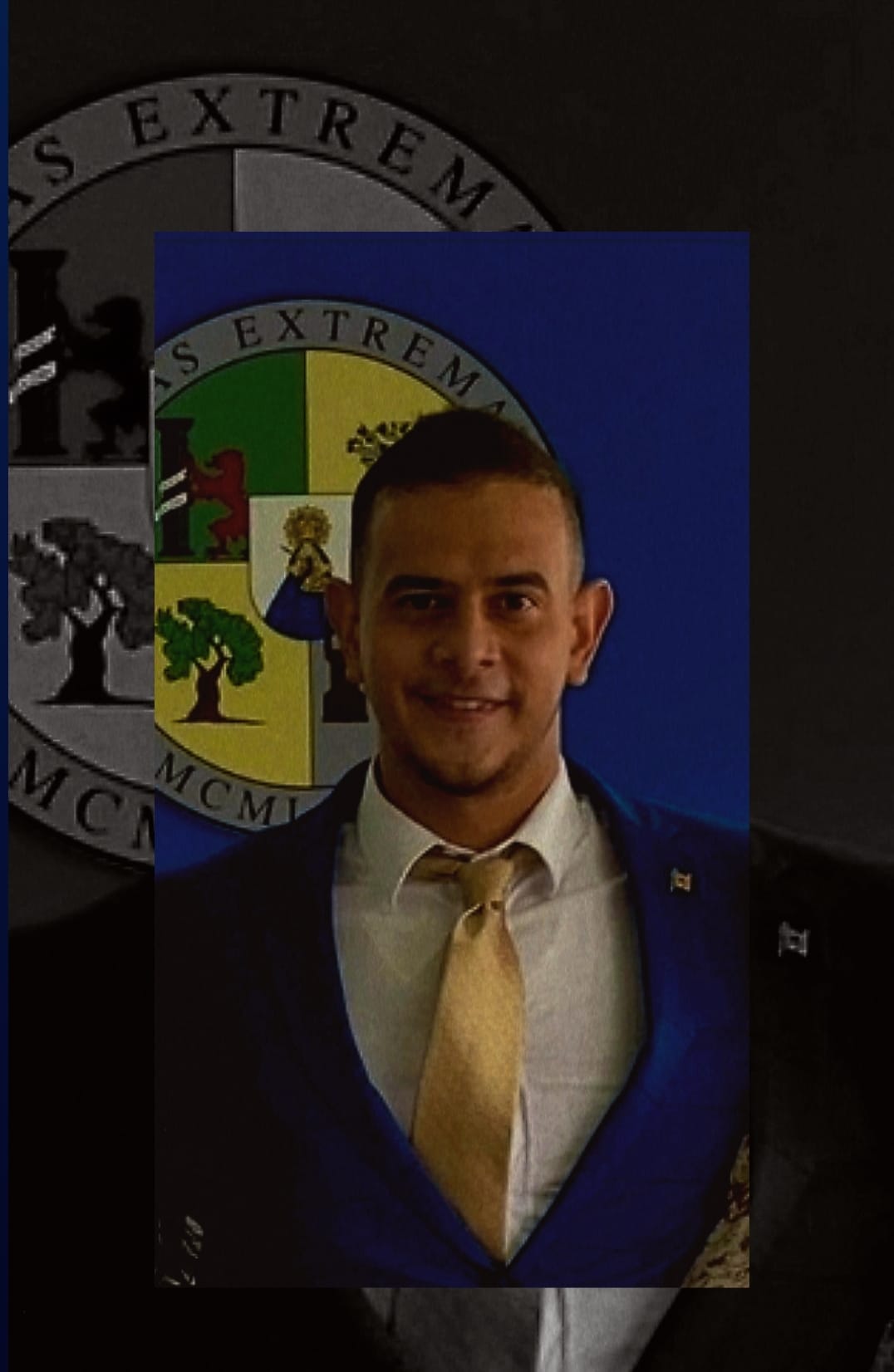
In recent years I have carried out work evaluating performance in athletes. From the viewpoint of exercise physiology to its practical application, I work to solve the difficulties of success linked to sports performance.
After completing my doctoral studies in sports science, I have discovered and applied new techniques and protocols to assess physical conditioning in team sports, obtaining scientific support for sports training is what stands out in my work.
The objectives of my work are the following:
-Exercise Physiologist: Specialized in laboratory tests, sports performance, sports injuries, nutritional aids, strength and conditioning.
-Football Fitness Coach: Technical director in football (UEFA A), training planning, sports technology (eg GPS), task design on the soccer field
Sports Professional
EDUCATION
Doctor in Sports Sciences (PhD), University of Extremadura, 2021
Technical director in football (UEFA A), Extremadura Football Federation, 2022
Health Promotion through Physical Activity (MSc), University of Extremadura, 2016
Professor of Physical Education (Bachelor's Degree), Francisco Morazán National Pedagogical University, 2014
RESEARCH INTERESTS
Exercise Physiology, Muscle Oxygenation, Hypoxia, High Performance, Strength and Conditioning in Football/Soccer
41
Scopus Publications
Scopus Publications
Do the Competitions Played During Congested Weeks Influence the External Load of Spanish Soccer Teams? Analysis by Match Playing Time David Lobo-Triviño, Tomás García-Calvo, Jorge Polo-Tejada, Javier Raya-González, Roberto López del Campo, Ricardo Resta, Aldo A. Vasquez-Bonilla Sports Medicine Open, 2026 Background This study aimed to examine differences in external load among professional soccer players during congested weeks across different competition types (League, Cup, and Champions League (UCL)), considering individual match playing time. A retrospective, descriptive, and longitudinal analysis was conducted using external load data from 120 players belonging to the top five teams in the Spanish LaLiga during the 2023/24 season, including 2,671 match observations. Players were categorised by playing time (Starters, Replaced, Fringe, and Non-Starters), and weeks were classified as non-congested (NCON) or congested (CON), with further distinction by competition type. External load metrics were recorded using the Mediacoach ® tracking system and analysed through Linear Mixed Models. Results Results indicated that players in NCON weeks covered significantly less distance at very low-speed running (VLSR) and at low-speed running (LSR) compared to CON weeks (both p < .01). Players in CON weeks by League covered significantly higher total distance (TD) compared to UCL congested weeks ( p < .001) and NCON weeks ( p < .01). In CON weeks by Cup, Non-Starters, who accumulated between 0 and 59 min across two matches, covered significantly higher very high-speed running (VHSR) than CON weeks by UCL ( p < .05) and NCON weeks ( p < .05). Conclusions These findings underscore the relevance of competition context and match playing time when analysing external load during matches. Tailoring training and rotation strategies based on external load data and competition type may help maintain performance and reduce fatigue.
Anthropometric Profile and Somatotype Analysis of World Champion and Olympic Medalist Canoeists: A Case Study Dindin Abidin, - Arisman, Aridhotul Haqiyah International Journal of Kinesiology and Sports Science, 2026 Background: The development of social media has significantly changed the landscape of the sports industry. While modern sports are growing in popularity, traditional sports face challenges in maintaining their relevance. Objective: This study aims to analyze the impact of social media on the sustainability of the traditional sports industry in Bekasi City, as well as identify strategies that can be used to utilize social media in promoting and preserving traditional sports. Method: The research uses a sequential explanatory mixed-method design, combining quantitative and qualitative approaches. The data was collected through an online survey of 500 respondents, in-depth interviews with 10 key stakeholders. The survey instrument measured variables such as frequency of social media use, types of sports content accessed, perceived cultural value of traditional sports, and self-reported participation in traditional sports, using a 5-point Likert scale. Result: Results show that 73% of respondents prefer modern sports, with only 23% frequently exposed to traditional sports content on social media. Content analysis revealed that traditional sports posts have a 25% lower engagement rate than modern sports. The interview identified challenges in the adoption of digital strategies and the dilemma between authenticity and popularity. Conclusion: Social media has a significant impact on sports preferences, with traditional sports facing visibility and relevance challenges. A holistic approach involving increasing digital literacy, supporting policies, and innovative content strategies is needed to ensure the sustainability of traditional sports in the digital age.
Gender differences in phases of play by match outcomes and football confederations during the FIFA U-20 World Cup Aldo A. Vasquez-Bonilla, Jose Alexis Ugalde-Ramírez, Luis Enrique Carranza-García Proceedings of the Institution of Mechanical Engineers Part P Journal of Sports Engineering and Technology, 2026 The aim of this study was to analyze gender differences in phases of play according to match outcomes and football confederations during the FIFA U-20 World Cup. A total of 104 matches were analyzed (52 in each tournament). Phases of play were categorized into “In possession” and “Out of possession.” Multivariate Analysis of Variance (MANOVA), principal components analysis (PCA) and linear mixed model (LMM) were applied. PCA revealed the following component scores: Positional Build-up Play (17.1%), Defensive Pressing Intensity (16.1%), Final Third Play (14.9%), Defensive Block Height (12.4%), and Line-Breaking Efforts (7.6%). The “Defensive Pressing Intensity” was a key factor associated with victories for the women’s teams. Meanwhile, the “Defensive Block Height” and “Final Third Play” were related to winning outcomes for the men’s teams. The “Final Third Play” was greater among men’s teams across all confederations, with particularly high values observed in CONMEBOL. In contrast, UEFA and CONCACAF teams displayed a more “Positional Build-up Play.” In conclusion, gender differences exist in the phases of play among U-20 national teams. These findings highlight the importance of advancing long-term talent development in elite youth football.
Evidence of Decreased Physical Performance During Playoff Matches: A 4-Season Study of a Liga MX Football Club Gonçalo Rendeiro-Pinho, Aldo A. Vasquez-Bonilla, Paul D. Balsom, Oscar Tojo, Luis Alberto Flores Olivares, Paul Jacobo Ramirez Mendez, Luis Enrique Carranza-García International Journal of Sports Physiology and Performance, 2025 Purpose : To explore and compare physical performance across different match scheduling types, including noncongested, congested, and playoffs and considering contextual factors such as match outcomes, location, and player position of a Liga MX football club over a 4-season follow-up. Method : Thirty-seven players participated. Physical-performance metrics included total and relative distance, maximal velocity, maximal acceleration and deceleration, high-intensity break distance, explosive distance, high-speed running (HSR), number and distance of HSR actions, and number and distance of sprints. Linear mixed-model analysis was applied to compare interactions between variables using fixed factors and random factors. Results : Players showed a physical decrement during the playoffs compared with noncongested fixtures in total distance (Δ = −497 m, P = .007), relative distance (Δ = 9.10 m/min, P < .001), peak velocity (Δ = 0.54 km/h, P = .003), high-intensity break distance (Δ = 14 m, P < .001), explosive distance (Δ = 58 m, P < .001), HSR distance (Δ = 43 m, P < .001), number of HSR actions (Δ = 1.86, P < .001), sprint distance (Δ = 29 m, P < .001), and number of sprints (Δ = 1.17, P < .001). Furthermore, physical performance tended to decline during playoff matches that resulted in a loss, and this was more pronounced in winger player positions than in players with other roles such as center backs and forwards ( P ≤ .001). Conclusion : These findings highlight a physical-performance decrease during the playoffs, which can be a key determinant of match outcomes.
Gastrocnemius muscle oxygenation asymmetry as a predictor of exercise intensity in professional soccer players: a cross-sectional study Aldo A. Vasquez-Bonilla, José Andrés Trejos-Montoya, Daniel Rojas-Valverde, José Alexis Ugalde-Ramirez, Rafael Timón, Braulio Sánchez Ureña, Guillermo Olcina Sport Sciences for Health, 2025 Purpose Recently, muscle imbalances have been studied using muscle oxygen saturation (SmO2) in both legs, from which the variable muscle oxygen saturation asymmetry (MO2Asy) was derived. The study aimed to measure the predictive capacity of MO2Asy across different stages of a graded exercise test (GXT). Methods This was a cross-sectional study. Thirty male players (years: 24 ± 6 and 8 ± 3 years of experience in professional soccer) performed a GXT, and the following parameters were measured: maximum oxygen consumption (VO2max), respiratory quotient (RQ), ventilation, heart rate, and rating of perceived exertion (RPE). Near-infrared spectroscopy (NIRS) technology was also used to assess MO2Asy in the gastrocnemius muscle (GM). A Bayesian ANOVA, Pearson correlation with linear regressions, and a predictive test of the receiver operating characteristic curves were applied. Results MO2Asy analysis revealed changes from Fatmax and VT1—low-intensity domain to VT2 and VO2max—high-intensity domain (BF10 = 7.988; p = 0.096; ES = 0.054). The MO2Asy significantly influenced RQ (r 2 = 71.2%; p < 0.001) and VO2max (r 2 = 75.6%; p < 0.001). Exercise intensity thresholds were established: VT1 (MO2Asy = 28% to 16%; p = 0.040) and VT2 (MO2Asy = ≤ 15%; p = 0.012). Conclusion MO₂Asy decreases with increasing exercise intensity. It is proposed that high-intensity exercise would be characterized by values around ≤ 15% of MO2Asy in the GM muscle. Although the vastus lateralis has been the preferred site in most studies using NIRS, the GM offers practical advantages that make it more accessible and easier to evaluate, especially in clinical settings and in the field with professional soccer players.
Supervised machine learning algorithms for the classification of obesity levels using anthropometric indices derived from bioelectrical impedance analysis Rodrigo Yáñez-Sepúlveda, Aldo Vásquez-Bonilla, Rodrigo Olivares, Pablo Olivares, Juan Pablo Zavala-Crichton, Claudio Hinojosa-Torres, Catalina Muñoz-Strale, Frano Giakoni-Ramírez, Josivaldo de Souza-Lima, Jacqueline Páez-Herrera, Jorge Olivares-Arancibia, Tomás Reyes-Amigo, Guillermo Cortés-Roco, Juan Hurtado-Almonacid, Eduardo Guzmán-Muñoz, Nicole Aguilera-Martínez, José Francisco López-Gil, Boryi A. Becerra-Patiño, Juan David Paucar-Uribe, Exal Garcia-Carrillo, Vicente Javier Clemente-Suárez Scientific Reports, 2025 The accurate classification of obesity is essential for public health and clinical decision-making. Traditional anthropometric measures such as body mass index (BMI) have limitations in differentiating between fat and lean mass. This study aimed to evaluate and compare the performance of various supervised machine learning algorithms in classifying obesity levels using anthropometric indices derived from bioelectrical impedance analysis (BIA). A cross-sectional study was conducted on a sample of 5372 adults (age 34.6 ± 10.0 years) (2727 females and 2645 males). Anthropometric data included BMI, fat mass index (FMI), fat-free mass index (FFMI), skeletal muscle index (SMI), muscle mass index (MM), and others were collected using a validated multifrequency octopolar BIA device (InBody 270). Six supervised machine learning models, random forest, gradient koosting, k-nearest neighbors, logistic regression, support vector machine, and decision tree, were trained and evaluated using accuracy, precision, recall, F1-score, area under the receiver operating characteristic curve (AUC-ROC), and SHapley Additive exPlanations value explanations. Random forest outperformed all other models, achieving the highest accuracy (84.2%), F1-score (83.7%), and AUC-ROC (0.947). SHapley Additive exPlanations analysis revealed that FMI, FFMI, and BMI were the most influential features, while sex had minimal predictive impact. Machine learning models, particularly tree-based algorithms like random forest, show great potential in classifying obesity levels from anthropometric data with high accuracy and interpretability. These models can enhance the effectiveness of obesity screening in clinical and community settings.
Anthropometric and Physical Fitness Characteristics of Chilean Elite Junior Surfers Samuel Curripan, Emily Valenzuela-Galleguillos, Exal Garcia-Carrillo, Aldo Vásquez-Bonilla, Guillermo Cortés-Roco, Juan Pablo Vizcaya-De La Parra, Nicole Aguilera-Martínez, Carlos Herrera-Amante, Rodrigo Yáñez-Sepúlveda International Journal of Morphology, 2025 SUMMARY: Anthropometric and physical fitness characteristics significantly influence surfing performance. Despite this importance, the anthropometric profiles of elite junior surfers remain poorly characterized in the scientific literature. The objective of this study was to analyze the anthropometric characteristics and physical fitness of elite junior surfers by sex. Eight surfers from Promesas Chile, the national high-performance government program (5 men: 18.8 ± 3.0 years, and 3 women: 20.2 ± 4.2 years) participated in the study. Anthropometric characteristics, somatotype, muscle strength, lower-body power, functional movement, and stability were assessed. The results showed differences in muscle mass (p=0.036), with men having higher level of muscle mass (35.2 vs. 25.6 kg). Men had a higher CMJ jump in the right leg (p=0.036), and in handgrip of the right and left hands (p=0.036), the IMPT was higher in men compared to women. The somatotype of men was Ectomorph-Mesomorph (2.1-5.0-2.7) and that of women was Mesomorph-Endomorph (4.2-4.2-1.8). Men also presented higher levels of isometric shoulder strength than women. Men also presented higher levels of isometric strength of the posterior chain at 30°. It is concluded that men present different anthropometric characteristics than women, with men presenting greater ectomorphy and less endomorphy. In addition, men have higher levels of handgrip strength, mobility and stability. The results of the present study allow for the orientation of differentiated training strategies by sex to optimize anthropometric characteristics and physical performance in athletes.
Psychological factors in padel players: a systematic review Rodrígo Sepúlveda, Jorge Olivares-Arancibía, Aldo A. Vasquez-Bonilla, Ignacio Lafourcade, Alex Araya-Retamal, et al. Retos, 2025 Introduction: Psychological factors are essential to understanding and enhancing padel performance, as they influence how players cope with the sport’s physical and emotional demands. Objective: This systematic review aimed to identify and analyze the main psychological variables studied about padel, including frustration, anxiety, stress, self-confidence, and mental fatigue. Methodology: The review followed the PRISMA guidelines and involved a thorough search of four major databases: PubMed, Web of Science, Scopus, and SPORTDiscus, up to August 2024. After applying inclusion and exclusion criteria, 12 studies were selected from 1,384, comprising 1,021 participants. Most studies were descriptive, cross-sectional, and comparative, with only one adopting an experimental design. Results: The review revealed that the most researched psychological variables in padel are anxiety, self-confidence, and stress-induced mental fatigue. A consistent finding across studies was that players often experience high levels of anxiety and stress before competitions, while also maintaining elevated levels of self-confidence. Additionally, players with greater experience and higher competitive levels tend to manage psychological demands more effectively than less experienced peers. Discussion: These findings suggest that psychological preparation and mental training may be crucial for improving performance in padel. Conclusion: This review highlights the importance of psychological factors in sport and recommends continued research to develop strategies that support mental well-being and performance optimization in padel players. Understanding how these variables interact can contribute to more comprehensive athlete development programs and better outcomes in both recreational and competitive contexts.
Visualization of the Research Panorama of Decision-Making in Soccer: Bibliometric Analysis with VOSviewer and Review of the Most Cited Studies of the Last 15 Years (2010–2024) Juan David Paucar Uribe, Boryi A. Becerra-Patiño, Jorge Olivares-Arancibia, Rodrigo Yáñez-Sepúlveda, Aldo Vasquez-Bonilla, Daniel Rojas-Valverde, José Francisco López-Gil, Guilherme Machado Sports, 2025 Background/Objectives: Various studies have investigated the importance of perceptual–cognitive skills in decision-making and the expert performance of athletes. However, bibliometric study has yet to identify research trends on this topic. The objective of this study was to perform a bibliometric review to identify the research trends in the study of soccer decision-making. Method. A total of 172 studies were included in the databases. Results. The year 2021 was the year with the highest number of published studies (n = 23), and 2016 was the year with the highest number of citations (n = 692). The average number of citations per document was 19.79. The concepts that have the greatest occurrence in the investigations are performance (n = 68), decision-making (n = 54), expertise (n = 32), skill (n = 23), and anticipation (n = 22). The journals with the highest number of published documents are the Journal of Sport Sciences (10 documents and 437 citations) and PLoS One (11 documents and 349 citations). The countries with the highest number of published documents and citations are England (n = 46 documents and 996 citations), Germany (n = 32 documents and 749 citations), and Spain (n = 38 documents and 597 citations). German Sport University Cologne is the organization that has the most publications and citations (n = 19 and 531). Conclusions. Existing knowledge production on decision-making in soccer has a preference for the study of two major categories: one related to the analysis of the factors associated with perceptual–cognitive skills, mental fatigue, anticipation, creativity, and memory, whereas the second is more related to the study that has decision-making in the manifestations of specific game performance, between experts and novices, in the precision of technical actions, such as the pass, as well as in a methodology for the selection of athletes.
Reliability of Muscle Oxygen Saturation for Evaluating Exercise Intensity and Knee Joint Load Indicators Aldo A. Vasquez-Bonilla, Rodrigo Yáñez-Sepúlveda, Matías Monsalves-Álvarez, Marcelo Tuesta, Daniel Duclos-Bastías, Guillermo Cortés-Roco, Jorge Olivares-Arancibia, Eduardo Guzmán-Muñoz, José Francisco López-Gil Journal of Functional Morphology and Kinesiology, 2025 Objectives: This study aimed to evaluate the reliability of muscle oxygen saturation (SmO2) and its correlation with variables from an inertial measurement unit (IMU) sensor placed on the knee at different exercise intensities. Methods: Fourteen university athletes participated in the study. Incremental ergospirometry was performed to exhaustion to calculate V’O2max, determine training zones, heart rate, and workload using the IMU, and analyze muscle metabolism by SmO2. Results: The analysis revealed significant differences between moderate-to-high-intensity zones (80–89% vs. 50–69%, Δ = 27% of SmO2; p < 0.001) and high-intensity zones (90–100% vs. 50–79%, Δ = 35% of SmO2; p < 0.001). SmO2 values showed moderate reliability at moderate exercise intensities (e.g., ICC 0.744 at 50%) and high variability at higher intensities, with ICC values around 0.577–0.594, and CV% increasing up to 77.7% at 100% intensity, indicating decreasing consistency as exercise intensity increases. SmO2 significantly decreases with increasing angular velocity (β = −13.9, p < 0.001), while knee joint load only shows significant correlations with SmO2 in the moderate-to-high-intensity zones (r = 0.569, p = 0.004) and high-intensity zones (r = 0.455, p = 0.012). Conclusions: SmO2 is a key predictor of performance during maximal incremental exercise, particularly in high-intensity zones. Moreover, SmO2 has the potential to serve as a physiological marker of the internal load on the muscles surrounding the knee during exercise. The SmO2 decrease could depend on the angular velocity and impact of the exposed knee during running.
Body Composition and Injury Prevalence in Mexican University Athletes Irina Rangel-García, Yolanda Villalobos-Cabrera, Guillermo Cortés-Roco, Aldo Vasquez-Bonilla, Exal Garcia-Carrillo, Nicole Aguilera-Martínez, Carlos Herrera-Amante, Vicente Javier Clemente-Suárez, Jorge Olivares-Arancibia, Rodrigo Yáñez-Sepúlveda International Journal of Morphology, 2025
Body Composition in Mexican University Athletes by Sex and Sport Irina Rangel-García, Guillermo Cortés-Roco, Aldo Vasquez-Bonilla, Exal García-Carrillo, Nicole Aguilera-Martínez, Carlos Herrera-Amante, Vicente Javier Clemente-Suárez, Rodrigo Yáñez-Sepúlveda International Journal of Morphology, 2025
Muscle oxygen saturation and cutting movements in Women's Futsal Aldo A. Vasquez-Bonilla, Immanuel Cruz-Fuentes, José Alexis Ugalde-Ramírez, José Andrés Trejos-Montoya, Daniel Rojas-Valverde, Vicente Javier Clemente-Suárez, Rodrigo Yañez-Sepulveda Apunts Sports Medicine, 2025