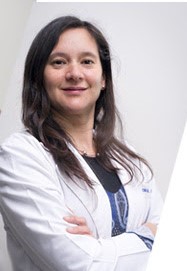
Médico Intensivista y Profesor Asociado. Facultad de Medicina, Pontificia Universidad Católica de Chile.
27
Scopus Publications
Scopus Publications
Mechanical Ventilation in Trauma-Induced Respiratory Failure: A Clinical Review Carolina Ruiz, Andrés Aquevedo, Consuelo Marambio-Coloma, Lorena Arqueros, Guillermo Bugedo, L. Felipe Damiani Respiratory Care, 2026 Trauma is a leading cause of mortality in young adults, with thoracic injuries playing a central role in respiratory failure and ARDS. Pulmonary contusion is the principal risk factor, although extra-thoracic injuries—including traumatic brain injury, abdominal trauma, and long bone fractures—further increase ARDS incidence and complicate management. Early application of damage control strategies, including judicious fluid resuscitation and balanced blood product transfusion, can mitigate these risks. This review examines principles of mechanical ventilation in trauma-induced ARDS, with emphasis on protective ventilation strategies. Yet, trauma-specific contexts—such as persistent air leaks, flail chest, abdominal hypertension, and intracranial hypertension—require tailored adaptations. Prone positioning improves oxygenation in severe hypoxemia, though data in trauma are limited. Alternative ventilation modes and extracorporeal membrane oxygenation (ECMO) represent a rescue therapy in refractory cases; veno-venous ECMO offers feasible survival benefits despite bleeding concerns, whereas veno-arterial ECMO is associated with poorer outcomes. Ultimately, management of trauma-related respiratory failure requires a personalized approach, balancing conventional and advanced ventilatory strategies to optimize outcomes.
Impact of a Volunteer-Delivered Spiritual Care Strategy on Preventing Post-Intensive Care Syndrome-Family in Relatives of Critically Ill ICU Patients: A Quasi-Experimental Study Cindy Ruiz, Leyla Alegría, Patrícia Olivares, Verónica Rojas, Paulina Taboada, et al. Nursing in Critical Care, 2026 BACKGROUND: Family members of critically ill patients are at increased risk of developing psychological disorders after ICU discharge, a condition known as Post-Intensive Care Syndrome-Family (PICS-F). Spiritual care (SC) interventions may reduce this burden, yet are rarely studied in this context. AIM: To assess the effect of a volunteer-delivered spiritual care intervention on the prevention of PICS-F, specifically post-traumatic stress disorder (PTSD), anxiety, and depression in relatives of ICU patients. STUDY DESIGN: We conducted a quasi-experimental pre-post intervention study in a Chilean ICU. The intervention comprised three structured spiritual care sessions delivered virtually by trained community volunteers using the FICA tool. The primary outcome was PTSD symptoms, measured with the IES-R scale. Secondary outcomes included anxiety and depression (HADS) and satisfaction with the intervention. Given the protective role of family support during ICU stays against PICS-F, a non-randomised prospective study was designed. This study aimed to prevent psychological disorders related to PICS-F by providing support to family members of critically ill patients. It was hypothesised that a systematic general spiritual care intervention compared to standard care would effectively reduce psychological disorders associated with family post-ICU syndrome within 3 months. RESULTS: A total of 125 family members participated (n = 64 in the control group, n = 61 in the intervention group). After the intervention, significant differences were observed in PTSD scores (OR = 0.067; CI 0.010-0.458). This was not the case for depression or anxiety. Satisfaction with the intervention was high. CONCLUSIONS: A structured spiritual care intervention delivered by trained community volunteers was feasible and associated with reduced psychological distress in ICU family members. This low-cost and scalable spiritual care intervention, delivered virtually by trained volunteers, demonstrates feasibility and acceptability in ICU settings, particularly in resource-limited contexts. RELEVANCE TO CLINICAL PRACTICE: This study demonstrates that a structured, non-denominational spiritual care intervention can significantly reduce symptoms of post-traumatic stress in family members of ICU patients. By integrating generalist spiritual support into ICU family care, delivered by trained volunteers using telehealth platforms, critical care teams can offer compassionate, accessible, and scalable support that addresses emotional and existential suffering. These findings highlight the importance of integrating spiritual care into multidisciplinary approaches to prevent PICS-F and promote holistic, family-centred care in intensive care settings.
Factors Associated With Preference for Long-Acting Injectable Versus Daily Oral Antiretroviral Therapy Among People With HIV: Findings From the SELIGO Study Deanna Kerrigan, Carolina Ruiz, Breana J. Uhrig Castonguay, Humberto Rodriguez Gonzalez, Kenneth Mayer, Julia Fleming, Matteo Peretti, Edward Cachay, Laura Bamford, Robert Agans, Clare Barrington, Stephen Cole, David Wohl Journal of Acquired Immune Deficiency Syndromes 1999, 2026 Background: HIV outcomes in people with HIV (PWH) are suboptimal and inequitably distributed in the United States. Long-acting injectable antiretroviral therapy (LAI-ART) has potential to make important contributions to improving HIV outcomes and quality of life for PWH. Methods: The SELIGO Study used a 1-time, 20-minute survey of 801 PWH from the Center for AIDS Research Network of Integrated Clinical Systems cohort in 3 US cities (Boston, MA; Chapel Hill, NC; San Diego, CA) that included 54 items. Using multinomial and binary logistic regression, we assessed factors associated with LAI-ART versus daily oral ART preferences. Results: Most participants were cisgender men (82.3%); 57.0% identified as racial and/or ethnic minorities; mean years of age, 52.2; mean years living with HIV, 18.1; 2.8% were using LAI-ART. Compared with daily oral ART, 56.9% preferred LAI-ART administered monthly, and 68.0% preferred LAI-ART administered every 2 months. Factors associated with greater odds of LAI-ART preference included medication/contraception injection experience, pill burden, no medication other than ART, 4 or more clinic visits per year, detectable viral load, reporting a higher number of HIV treatment considerations, and identifying as Black. Factors associated with decreased odds of LAI-ART preference included older age, identifying as neither gay nor straight, living > 1 hour from the clinic, and considerable/extreme needle fear. Conclusions: Findings demonstrate that although there is considerable interest in LAI-ART, HIV treatment modality preferences are multifaceted. Shared decision making can ensure that conversations about ART options consistently address specific factors across diverse groups to facilitate equitable LAI-ART uptake.
Spiritual care for prevention of psychological disorders in critically ill patients: Study protocol of a feasibility randomised controlled pilot trial Paula Repetto, Carolina Ruiz, Verónica Rojas, Patricia Olivares, Jan Bakker, Leyla Alegria BMJ Open, 2025 IntroductionA significant number of critically ill patients who survive their illness will experience new sequelae or a worsening of their baseline health status following their discharge from the hospital. These consequences may be physical, cognitive and/or psychological and have been labelled postintensive care syndrome (PICS). Prior research has demonstrated that spiritual care aligned with a specific creed during hospitalisation in the intensive care unit (ICU), as part of a comprehensive care plan, may be an effective strategy for preventing psychological sequelae in surviving critically ill patients. However, there is a gap in clinical literature regarding the effectiveness of generalist spiritual care in preventing psychological sequelae associated with PICS. This pilot study aims to explore the feasibility of implementing a generalist spiritual care strategy in the ICU and to evaluate its preliminary effectiveness in preventing anxiety and depression symptoms and post-traumatic stress disorder in critically ill patients.Methods and analysisThis is a single-site, feasibility randomised controlled pilot trial of a generalist spiritual care intervention compared with the current standard of care. A total of 30 adults who are critically ill and have undergone invasive mechanical ventilation for a minimum of 72 hours without alterations in consciousness will be randomly assigned to either the spiritual care group or the usual care group at a ratio of 1:1. The primary outcome will be the feasibility and acceptability of the spiritual care strategy in critically ill patients. Secondary aims include evaluating the differences in anxiety and depression symptoms and post-traumatic stress disorder between the spiritual care group and the usual care control group at 3 months after ICU discharge. Subjects will be followed up until 3 months post-ICU discharge.Ethics and disseminationThe Ethics Committee for Medical Sciences of Pontificia Universidad Católica de Chile (#220111005) and the Ethics Committee of Servicio de Salud Metropolitano Sur Oriente approved the study. Pontificia Universidad Católica de Chile funded the study (project number 105699/DPCC2021). The findings will be widely disseminated through peer-reviewed publications, academic conferences, local community-based presentations, partner organisations and the Chilean Intensive Care Society.Trial registration numberNCT06048783.
ASSOCIATION BETWEEN NURSING WORKLOAD, PATIENT SEVERITY, AND MORTALITY IN CRITICALLY ILL PATIENTS IN A PUBLIC HOSPITAL Cristóbal Padilla Fortunatti, Cristina Escobar Lazcano, Carolina Ruíz, N. Rojas Silva Horizonte De Enfermeria, 2023 OBJETIVO: Determinar la asociación entre la carga laboral de enfermerÃa, gravedad del paciente, y mortalidad en una unidad de pacientes crÃticos (UPC) de un hospital público en Chile. METODOLOGÃA: Estudio retrospectivo, correlacional, que analizó fichas clÃnicas de pacientes de una UPC. Se recolectaron variables demográficas, clÃnicas, gravedad de paciente (APACHE II) y carga de trabajo de enfermerÃa (TISS-28) al ingreso del paciente. Se realizaron análisis descriptivos y bivariados. Se utilizaron regresiones logÃsticas para identificar las variables asociadas a mortalidad en la UPC y hospitalaria. RESULTADOS: Se incluyeron 311 pacientes con una mediana de 7 dÃas (RIQ=9.5) de estadÃa en la UPC. Un 48.9% ingreso desde el servicio de urgencia y un 25,7% tuvo un diagnostico neurológico. El puntaje TISS-28 se asoció positivamente con el del APACHE II (r=.359, p<.001) y los dÃas de estadÃa en UPC (r=.146, p<.05). En los modelos de regresión, la mortalidad en UPC estuvo asociada con el puntaje APACHE II (OR=1.109, p<.001) y el TISS-28 (OR=0.955, p<.05). Los puntajes de APACHE II y TISS-28 no se asociaron significativamente con la mortalidad hospitalaria. CONCLUSIÓN: Una mayor gravedad del paciente critico se asoció con un aumento en la carga de trabajo de enfermerÃa. La mortalidad en UPC se asoció negativamente con la carga de trabajo en enfermerÃa, pero positivamente con la gravedad de paciente. La carga de trabajo de enfermerÃa es una variable relevante en el desenlace del paciente crÃtico por lo que debe evaluarse regularmente y de este modo, asegurar dotaciones que respondan a las demandas asistenciales del paciente en la UPC.
“WHAT IS THE BENEFIT?”: PERCEPTIONS AND PREFERENCES FOR LONG−ACTING INJECTABLE ANTIRETROVIRAL THERAPY AMONG PEOPLE LIVING WITH HIV Humberto Rodriguez Gonzalez, Andrea Isabel Volcan, Breana Jae Uhrig Castonguay, Jessica Carda-Auten, Carolina Ruiz, Matteo Peretti, Angela Suarez, Deanna Kerrigan, David Alain Wohl, Clare Barrington AIDS Education and Prevention, 2023 Long-acting injectable antiretroviral therapy (LA-ART) expands treatment options for people living with HIV (PLWH). This qualitative study characterizes LA-ART awareness, perceptions, and preferences among PLWH engaged in HIV care. From 2019 through 2021, we conducted semistructured in-depth interviews with 71 PLWH sampled from three clinics in three U.S. settings (North Carolina, Washington, DC, Massachusetts). Transcripts were analyzed using narrative and thematic techniques. Participant mean age was 46 years (range 24–72); most were cisgender men (55%) and virally suppressed (73%). Most participants had not heard of LA-ART and reacted with a mix of excitement and cautiousness. Potential LA-ART benefits included easier adherence, privacy, and effectiveness; concerns included effectiveness, side effects, costs, and increased clinic visits. Participants appreciated that LA-ART could support achieving and sustaining viral suppression. To inform their decision, participants wanted more information and convenient access and administration. Findings indicated that a shared decision-making approach and economic and logistical support for PLWH could facilitate LA-ART uptake.
Continuous prolonged prone positioning in COVID-19-related ARDS: a multicenter cohort study from Chile Rodrigo A. Cornejo, Jorge Montoya, Abraham I. J. Gajardo, Jerónimo Graf, Leyla Alegría, Romyna Baghetti, Anita Irarrázaval, César Santis, Nicolás Pavez, Sofía Leighton, Vinko Tomicic, Daniel Morales, Carolina Ruiz, Pablo Navarrete, Patricio Vargas, Roberto Gálvez, Victoria Espinosa, Marioli Lazo, Rodrigo A. Pérez-Araos, Osvaldo Garay, Patrick Sepúlveda, Edgardo Martinez, Alejandro Bruhn, Nicole Rossel, María José Martin, Juan Nicolás Medel, Vanessa Oviedo, Magdalena Vera, Vicente Torres, José Miguel Montes, Álvaro Salazar, Carla Muñoz, Francisca Tala, Mariana Migueles, Claudia Ortiz, Felipe Gómez, Luis Contreras, Itzia Daviu, Yurimar Rodriguez, Carol Ortiz, Andrés Aquevedo, Rodrigo Parada, Cristián Vargas, Miguel Gatica, Dalia Guerrero, Araceli Valenzuela, Diego Torrejón, and Annals of Intensive Care, 2022 Background Prone positioning is currently applied in time-limited daily sessions up to 24 h which determines that most patients require several sessions. Although longer prone sessions have been reported, there is scarce evidence about the feasibility and safety of such approach. We analyzed feasibility and safety of a continuous prolonged prone positioning strategy implemented nationwide, in a large cohort of COVID-19 patients in Chile. Methods Retrospective cohort study of mechanically ventilated COVID-19 patients with moderate-to-severe acute respiratory distress syndrome (ARDS), conducted in 15 Intensive Care Units, which adhered to a national protocol of continuous prone sessions ≥ 48 h and until PaO2:FiO2 increased above 200 mm Hg. The number and extension of prone sessions were registered, along with relevant physiologic data and adverse events related to prone positioning. The cohort was stratified according to the first prone session duration: Group A, 2–3 days; Group B, 4–5 days; and Group C, > 5 days. Multivariable regression analyses were performed to assess whether the duration of prone sessions could impact safety. Results We included 417 patients who required a first prone session of 4 (3–5) days, of whom 318 (76.3%) received only one session. During the first prone session the main adverse event was grade 1–2 pressure sores in 97 (23.9%) patients; severe adverse events were infrequent with 17 non-scheduled extubations (4.2%). 90-day mortality was 36.2%. Ninety-eight patients (24%) were classified as group C; they exhibited a more severe ARDS at baseline, as reflected by lower PaO2:FiO2 ratio and higher ventilatory ratio, and had a higher rate of pressure sores (44%) and higher 90-day mortality (48%). However, after adjustment for severity and several relevant confounders, prone session duration was not associated with mortality or pressure sores. Conclusions Nationwide implementation of a continuous prolonged prone positioning strategy for COVID-19 ARDS patients was feasible. Minor pressure sores were frequent but within the ranges previously described, while severe adverse events were infrequent. The duration of prone session did not have an adverse effect on safety.
Extracorporeal membrane oxygenation for COVID-19-associated severe acute respiratory distress syndrome in Chile: A Nationwide Incidence and Cohort Study Rodrigo A. Diaz, Jerónimo Graf, José M. Zambrano, Carolina Ruiz, Juan A. Espinoza, Sebastian I. Bravo, Pablo A. Salazar, Juan C. Bahamondes, Luis B. Castillo, Abraham I. J. Gajardo, Andrés Kursbaum, Leonila L. Ferreira, Josefa Valenzuela, Roberto E. Castillo, Rodrigo A. Pérez-Araos, Marcela Bravo, Andrés F. Aquevedo, Mauricio G. González, Rodrigo Pereira, Leandro Ortega, César Santis, Paula A. Fernández, Vilma Cortés, Rodrigo A. Cornejo American Journal of Respiratory and Critical Care Medicine, 2021 Rationale: The role of and needs for extracorporeal membrane oxygenation (ECMO) at a population level during the coronavirus disease (COVID-19) pandemic have not been completely established. Objectives: To identify the cumulative incidence of ECMO use in the first pandemic wave and to describe the Nationwide Chilean cohort of ECMO-supported patients with COVID-19. Methods: We conducted a population-based study from March 3 to August 31, 2020, using linked data from national agencies. The cumulative incidence of ECMO use and mortality risk of ECMO-supported patients were calculated and age standardized. In addition, a retrospective cohort analysis was performed. Outcomes were 90-day mortality after ECMO initiation, ECMO-associated complications, and hospital length of stay. Cox regression models were used to explore risk factors for mortality in a time-to-event analysis. Measurements and Main Results: Ninety-four patients with COVID-19 were supported with ECMO (0.42 per population of 100,000, 14.89 per 100,000 positive cases, and 1.2% of intubated patients with COVID-19); 85 were included in the cohort analysis, and the median age was 48 (interquartile range [IQR], 41–55) years, 83.5% were men, and 42.4% had obesity. The median number of pre-ECMO intubation days was 4 (IQR, 2–7), the median PaO2/FiO2 ratio was 86.8 (IQR, 64–99) mm Hg, 91.8% of patients were prone positioned, and 14 patients had refractory respiratory acidosis. Main complications were infections (70.6%), bleeding (38.8%), and thromboembolism (22.4%); 52 patients were discharged home, and 33 died. The hospital length of stay was a median of 50 (IQR, 24–69) days. Lower respiratory system compliance and higher driving pressure before ECMO initiation were associated with increased mortality. A duration of pre-ECMO intubation ≥10 days was not associated with mortality. Conclusions: Documenting nationwide ECMO needs may help in planning ECMO provision for future COVID-19 pandemic waves. The 90-day mortality of the Chilean cohort of ECMO-supported patients with COVID-19 (38.8%) is comparable to that of previous reports.
Features of 50 patients with SARS-CoV2 admitted to an intensive care unit and requiring mechanical ventilation Tomás Lahera, Carolina Ruiz, Andrés Aquevedo, Petre Cotoras, Javier Uribe, Claudio Montenegro Revista Medica De Chile, 2020 BACKGROUND: Since March, Chile experienced an exponential increase in SARS-CoV2 cases, which led to an almost full occupancy of the intensive care units (ICU). AIM: To characterize patients with SARS-CoV2 disease who required hospitalization in the ICU and invasive mechanical ventilation (IMV) in our hospital. MATERIAL AND METHODS: A prospective observational study was performed, which included the first 50 patients, aged 54 ± 13 years (58% men), with SARS-CoV2 disease, with ICU and IMV requirements between March 23 and June 2, 2020. Demographics, comorbidities, symptoms, laboratory and imaging, therapies performed and IMV characteristics were registered. The most relevant outcomes observed were lethality, number of days in the ICU and connection to an IMV. RESULTS: Ninety percent of patients were overweight or obese, 46% had hypertension and many had diabetes mellitus. They had elevated inflammatory parameters and typical patterns of COVID-19 in computed tomography. Most of the patients got protective lung ventilation with a high rate of use of neuromuscular blockade (NMB) and prone position. Antibiotics, hydroxychloroquine, and lopinavir/ritonavir were administered according to the protocol of the institution. Lethality was 16% (8 cases) at the end of this study. CONCLUSIONS: The information obtained in this study provides characteristics and early outcomes of hospitalized patients with confirmed COVID-19 and IMV, admitted to the ICU of our center.
Mildly elevated lactate levels are associated with microcirculatory flow abnormalities and increased mortality: A microSOAP post hoc analysis Namkje A. R. Vellinga, , E. Christiaan Boerma, Matty Koopmans, Abele Donati, Arnaldo Dubin, Nathan I. Shapiro, Rupert M. Pearse, Peter H. J. van der Voort, Arjen M. Dondorp, Tony Bafi, Michael Fries, Tulin Akarsu-Ayazoglu, Andrius Pranskunas, Steven Hollenberg, Gianmarco Balestra, Mat van Iterson, Farid Sadaka, Gary Minto, Ulku Aypar, F. Javier Hurtado, Giampaolo Martinelli, Didier Payen, Frank van Haren, Anthony Holley, Hernando Gomez, Ravindra L. Mehta, Alejandro H. Rodriguez, Carolina Ruiz, Héctor S. Canales, Jacques Duranteau, Peter E. Spronk, Shaman Jhanji, Sheena Hubble, Marialuisa Chierego, Christian Jung, Daniel Martin, Carlo Sorbara, Jan Bakker, Can Ince Critical Care, 2017
A randomized placebo-controlled phase II study of a Pseudomonas vaccine in ventilated ICU patients Jordi Rello, Claus-Georg Krenn, Gottfried Locker, Ernst Pilger, Christian Madl, Laura Balica, Thierry Dugernier, Pierre-Francois Laterre, Herbert Spapen, Pieter Depuydt, Jean-Louis Vincent, Lajos Bogár, Zsuzsanna Szabó, Barbara Völgyes, Rafael Máñez, Nahit Cakar, Atilla Ramazanoglu, Arzu Topeli, Maria A. Mastruzzo, Abel Jasovich, Christian G. Remolif, Liliana del Carmen Soria, Max A. Andresen Hernandez, Carolina Ruiz Balart, Ildikó Krémer, Zsolt Molnár, Frank von Sonnenburg, Arthur Lyons, Michael Joannidis, Heinz Burgmann, Tobias Welte, Anton Klingler, Romana Hochreiter, Kerstin Westritschnig Critical Care, 2017
International study on microcirculatory shock occurrence in acutely Ill patients Namkje A. R. Vellinga, E. Christiaan Boerma, Matty Koopmans, Abele Donati, Arnaldo Dubin, Nathan I. Shapiro, Rupert M. Pearse, Flavia R. Machado, Michael Fries, Tulin Akarsu-Ayazoglu, Andrius Pranskunas, Steven Hollenberg, Gianmarco Balestra, Mat van Iterson, Peter H. J. van der Voort, Farid Sadaka, Gary Minto, Ulku Aypar, F. Javier Hurtado, Giampaolo Martinelli, Didier Payen, Frank van Haren, Anthony Holley, Rajyabardhan Pattnaik, Hernando Gomez, Ravindra L. Mehta, Alejandro H. Rodriguez, Carolina Ruiz, Héctor S. Canales, Jacques Duranteau, Peter E. Spronk, Shaman Jhanji, Sheena Hubble, Marialuisa Chierego, Christian Jung, Daniel Martin, Carlo Sorbara, Jan G. P. Tijssen, Jan Bakker, Can Ince Critical Care Medicine, 2015