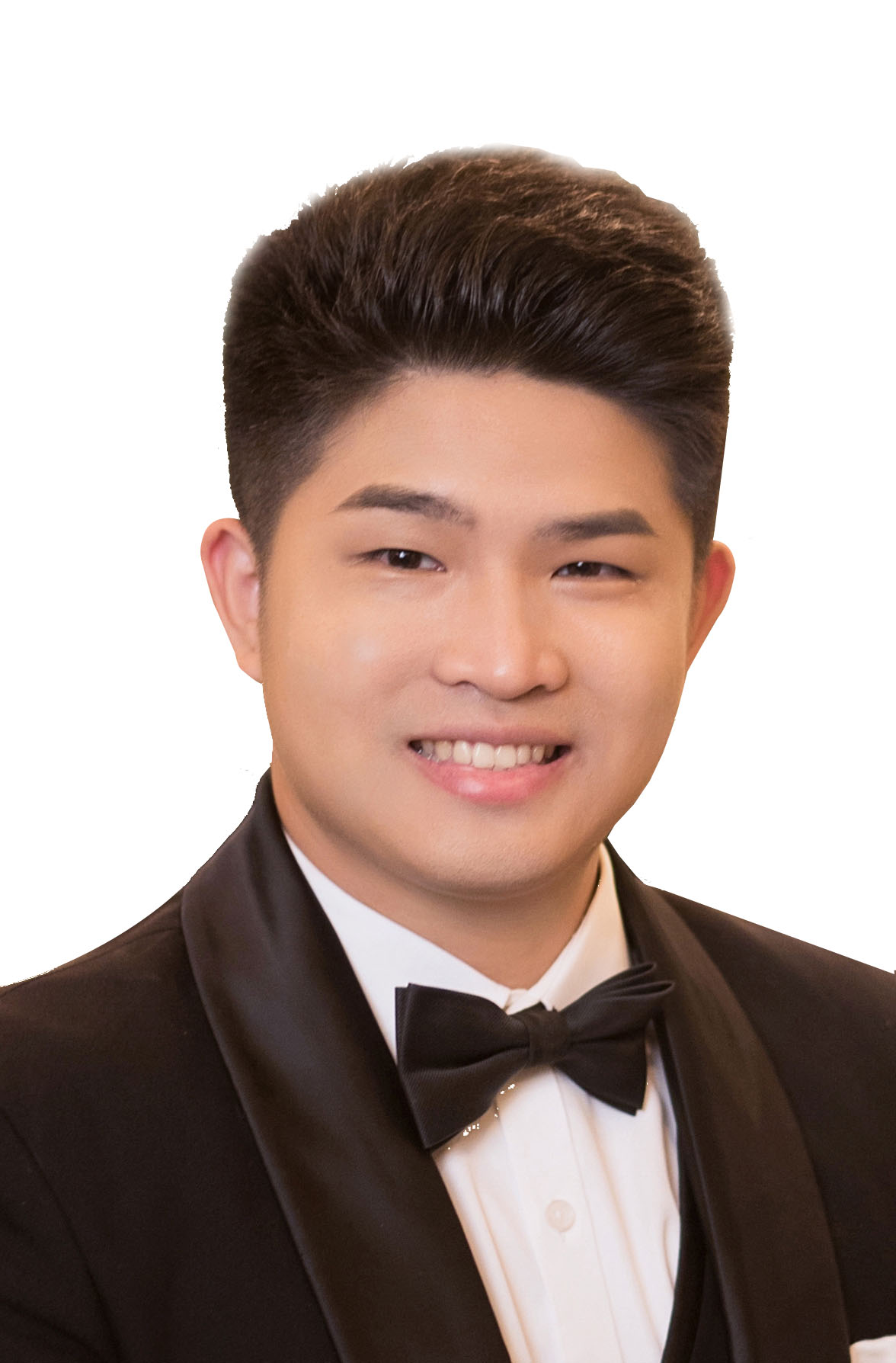
Jianhui Gong

@umich.edu

University of Michigan

Jianhui Gong
Associate Research Scientist in BGI Research
Head of Technology Optimization in China National Genebank

EDUCATION

Doctor of Philosophy in Bioinformatics, University of Michigan
Master of Science in Bioinformatics, University of Michigan
Master of Science in Computer Science, Georgia Institute of Technology
Bachelor of Engineering in Bioengineering, South China University of Technology

RESEARCH, TEACHING, or OTHER INTERESTS

Cancer Research, Multidisciplinary, Oncology, Genetics

FUTURE PROJECTS

Multi-omics analysis of CPTAC PCC-melanoma


Applications Invited

Turnkey Precision Oncology Platform development


Applications Invited
12

Scopus Publications

2413

Scholar Citations

12

Scholar h-index

12

Scholar i10-index

Scopus Publications

  • STAG2 loss amplifies EWS-FLI1-driven microsatellite enhancer activity promoting Ewing sarcoma aggressiveness
    Sanjana Eyunni, Shih-Chun Chu, Mary L. Guan, Michaela Louw, Eleanor Young, et al.
    Proceedings of the National Academy of Sciences of the United States of America, 2026
    Ewing sarcoma is driven by chromosomal translocations that fuse a FET RNA-binding protein to an ETS transcription factor, most commonly generating the EWS-FLI1 fusion oncoprotein. EWS-FLI1 engages GGAA microsatellite repeats to form de novo enhancers that activate oncogenic transcriptional programs essential for tumorigenesis. In addition to this truncal driver, recurrent loss-of-function alterations in the cohesin subunit STAG2 occur in approximately 10 to 15% of Ewing sarcomas and are associated with adverse clinical outcomes. However, how STAG2 loss reshapes EWS-FLI1 chromatin engagement and transcriptional output remains poorly understood. Here, using genetic STAG2 loss-of-function models combined with integrative multiomic profiling, we demonstrate that STAG2–cohesin deficiency reprograms the EWS-FLI1 chromatin landscape by altering its binding at GGAA-microsatellite enhancers. Despite increased EWS-FLI1 protein abundance, STAG2 loss eliminates over 40% of EWS-FLI1 binding sites, predominantly at enhancers containing short (1–4) GGAA repeats, while concurrently increasing binding at multimeric enhancers with ≥5 GGAA-repeat motifs. These reprogrammed sites show changes in both chromatin accessibility and H3K27ac, leading to selective amplification of EWS-FLI1 activity at multimeric microsatellite enhancers. By integrating Hi-C chromatin interaction maps with altered EWS-FLI1 occupancy, we define distinct monomeric and multimeric GGAA enhancer–driven transcriptional gene signatures and demonstrate that STAG2 loss selectively augments the multimeric transcriptional program. Consistently, the long GGAA microsatellite-activated gene signature is enriched in patient tumors with aggressive clinical features and deleterious STAG2 alterations. Together, these findings reveal that STAG2 loss reprograms, rather than globally attenuates, EWS-FLI1 function, amplifying a high-risk oncogenic transcriptional state in Ewing sarcoma.
  • Limitations of gene editing assessments in human preimplantation embryos
    Dan Liang, Aleksei Mikhalchenko, Hong Ma, Nuria Marti Gutierrez, Tailai Chen, et al.
    Nature Communications, 2023
    Range of DNA repair in response to double-strand breaks induced in human preimplantation embryos remains uncertain due to the complexity of analyzing single- or few-cell samples. Sequencing of such minute DNA input requires a whole genome amplification that can introduce artifacts, including coverage nonuniformity, amplification biases, and allelic dropouts at the target site. We show here that, on average, 26.6% of preexisting heterozygous loci in control single blastomere samples appear as homozygous after whole genome amplification indicative of allelic dropouts. To overcome these limitations, we validate on-target modifications seen in gene edited human embryos in embryonic stem cells. We show that, in addition to frequent indel mutations, biallelic double-strand breaks can also produce large deletions at the target site. Moreover, some embryonic stem cells show copy-neutral loss of heterozygosity at the cleavage site which is likely caused by interallelic gene conversion. However, the frequency of loss of heterozygosity in embryonic stem cells is lower than in blastomeres, suggesting that allelic dropouts is a common whole genome amplification outcome limiting genotyping accuracy in human preimplantation embryos.
  • Dissecting aneuploidy phenotypes by constructing Sc2.0 chromosome VII and SCRaMbLEing synthetic disomic yeast
    Yue Shen, Feng Gao, Yun Wang, Yuerong Wang, Ju Zheng, et al.
    Cell Genomics, 2023
  • Precise in vivo genome editing via single homology arm donor mediated intron-targeting gene integration for genetic disease correction
    Keiichiro Suzuki, Mako Yamamoto, Reyna Hernandez-Benitez, Zhe Li, Christopher Wei, et al.
    Cell Research, 2019
  • Ma et al. reply
    Hong Ma, Nuria Marti-Gutierrez, Sang-Wook Park, Jun Wu, Tomonari Hayama, et al.
    Nature, 2018
  • Dissecting nucleosome function with a comprehensive histone H2A and H2B mutant library
    Shuangying Jiang, Yan Liu, Caiyue Xu, Yun Wang, Jianhui Gong, et al.
    G3 Genes Genomes Genetics, 2017
    Using a comprehensive library of histone H2A and H2B mutants, we assessed the biological function of each amino acid residue involved in various stress conditions including exposure to different DNA damage-inducing reagents, different growth temperatures, and other chemicals. H2B N- and H2A C-termini were critical for maintaining nucleosome function and mutations in these regions led to pleiotropic phenotypes. Additionally, two screens were performed using this library, monitoring heterochromatin gene silencing and genome stability, to identify residues that could compromise normal function when mutated. Many distinctive regions within the nucleosome were revealed. Furthermore, we used the barcode sequencing (bar-seq) method to profile the mutant composition of many libraries in one high-throughput sequencing experiment, greatly reducing the labor and increasing the capacity. This study not only demonstrates the applications of the versatile histone library, but also reveals many previously unknown functions of histone H2A and H2B.
  • Correction of a pathogenic gene mutation in human embryos
    Hong Ma, Nuria Marti-Gutierrez, Sang-Wook Park, Jun Wu, Yeonmi Lee, et al.
    Nature, 2017
  • Deep functional analysis of synII, a 770-kilobase synthetic yeast chromosome
    Yue Shen, Yun Wang, Tai Chen, Feng Gao, Jianhui Gong, et al.
    Science, 2017
    INTRODUCTION Although much effort has been devoted to studying yeast in the past few decades, our understanding of this model organism is still limited. Rapidly developing DNA synthesis techniques have made a “build-to-understand” approach feasible to reengineer on the genome scale. Here, we report on the completion of a 770-kilobase synthetic yeast chromosome II (synII). SynII was characterized using extensive Trans-Omics tests. Despite considerable sequence alterations, synII is virtually indistinguishable from wild type. However, an up-regulation of translational machinery was observed and can be reversed by restoring the transfer RNA (tRNA) gene copy number. RATIONALE Following the “design-build-test-debug” working loop, synII was successfully designed and constructed in vivo. Extensive Trans-Omics tests were conducted, including phenomics, transcriptomics, proteomics, metabolomics, chromosome segregation, and replication analyses. By both complementation assays and SCRaMbLE (synthetic chromosome rearrangement and modification by loxP -mediated evolution), we targeted and debugged the origin of a growth defect at 37°C in glycerol medium. RESULTS To efficiently construct megabase-long chromosomes, we developed an I- Sce I–mediated strategy, which enables parallel integration of synthetic chromosome arms and reduced the overall integration time by 50% for synII. An I- Sce I site is introduced for generating a double-strand break to promote targeted homologous recombination during mitotic growth. Despite hundreds of modifications introduced, there are still regions sharing substantial sequence similarity that might lead to undesirable meiotic recombinations when intercrossing the two semisynthetic chromosome arm strains. Induction of the I- Sce I–mediated double-strand break is otherwise lethal and thus introduced a strong selective pressure for targeted homologous recombination. Since our strategy is designed to generate a markerless synII and leave the URA3 marker on the wild-type chromosome, we observed a tenfold increase in URA3 -deficient colonies upon I- Sce I induction, meaning that our strategy can greatly bias the crossover events toward the designated regions. By incorporating comprehensive phenotyping approaches at multiple levels, we demonstrated that synII was capable of powering the growth of yeast indistinguishably from wild-type cells (see the figure), showing highly consistent biological processes comparable to the native strain. Meanwhile, we also noticed modest but potentially significant up-regulation of the translational machinery. The main alteration underlying this change in expression is the deletion of 13 tRNA genes. A growth defect was observed in one very specific condition—high temperature (37°C) in medium with glycerol as a carbon source—where colony size was reduced significantly. We targeted and debugged this defect by two distinct approaches. The first approach involved phenotype screening of all intermediate strains followed by a complementation assay with wild-type sequences in the synthetic strain. By doing so, we identified a modification resulting from PCRTag recoding in TSC10 , which is involved in regulation of the yeast high-osmolarity glycerol (HOG) response pathway. After replacement with wild-type TSC10 , the defect was greatly mitigated. The other approach, debugging by SCRaMbLE, showed rearrangements in regions containing HOG regulation genes. Both approaches indicated that the defect is related to HOG response dysregulation. Thus, the phenotypic defect can be pinpointed and debugged through multiple alternative routes in the complex cellular interactome network. CONCLUSION We have demonstrated that synII segregates, replicates, and functions in a highly similar fashion compared with its wild-type counterpart. Furthermore, we believe that the iterative “design-build-test-debug” cycle methodology, established here, will facilitate progression of the Sc2.0 project in the face of the increasing synthetic genome complexity. SynII characterization. ( A ) Cell cycle comparison between synII and BY4741 revealed by the percentage of cells with separated CEN2-GFP dots, metaphase spindles, and anaphase spindles. ( B ) Replication profiling of synII (red) and BY4741 (black) expressed as relative copy number by deep sequencing. ( C ) RNA sequencing analysis revealed that the significant up-regulation of translational machinery in synII is induced by the deletion of tRNA genes in synII.
  • Engineering the ribosomal DNA in a megabase synthetic chromosome
    Weimin Zhang, Guanghou Zhao, Zhouqing Luo, Yicong Lin, Lihui Wang, et al.
    Science, 2017
    INTRODUCTION It has long been an interesting question whether a living cell can be constructed from scratch in the lab, a goal that may not be realized anytime soon. Nonetheless, with advances in DNA synthesis technology, the complete genetic material of an organism can now be synthesized chemically. Hitherto, genomes of several organisms including viruses, phages, and bacteria have been designed and constructed. These synthetic genomes are able to direct all normal biological functions, capable of self-replication and production of offspring. Several years ago, a group of scientists worldwide formed an international consortium to reconstruct the genome of budding yeast, Saccharomyces cerevisiae . RATIONALE The synthetic yeast genome, designated Sc2.0, was designed according to a set of arbitrary rules, including the elimination of transposable elements and incorporation of specific DNA elements to facilitate further genome manipulation. Among the 16 S. cerevisiae chromosomes, chromosome XII is unique as one of the longest yeast chromosomes (~1 million base pairs) and additionally encodes the highly repetitive ribosomal DNA locus, which forms the well-organized nucleolus. We report on the design, construction, and characterization of chromosome XII, the physically largest chromosome in S. cerevisiae. RESULTS A 976,067–base pair linear chromosome, synXII, was designed based on the native chromosome XII sequence of S. cerevisiae , and chemically synthesized. SynXII was assembled using a two-step method involving, successive megachunk integration to produce six semisynthetic strains, followed by meiotic recombination–mediated assembly, yielding a full-length functional chromosome in S. cerevisiae. Minor growth defect “bugs” detected in synXII were caused by deletion of tRNA genes and were corrected by introducing an ectopic copy of a single tRNA gene. The ribosomal gene cluster (rDNA) on synXII was left intact during the assembly process and subsequently replaced by a modified rDNA unit. The same synthetic rDNA unit was also used to regenerate rDNA at three distinct chromosomal locations. The rDNA signature sequences of the internal transcribed spacer (ITS), often used to determine species identity by standard DNA barcoding procedures, were swapped to generate a Saccharomyces synXII strain that would be identified as S. bayanus. Remarkably, these substantial DNA changes had no detectable phenotypic consequences under various laboratory conditions. CONCLUSION The rDNA locus of synXII is highly plastic; not only can it be moved to other chromosomal loci, it can also be altered in its ITS region to masquerade as a distinct species as defined by DNA barcoding, used widely in taxonomy. The ability to perform “species morphing” reported here presumably reflects the degree of evolutionary flexibility by which these ITS regions change. However, this barcoding region is clearly not infinitely flexible, as only relatively modest intragenus base changes were tolerated. More severe intergenus differences in ITS sequence did not result in functional rDNAs, probably because of defects in rRNA processing. The ability to design, build, and debug a megabase-sized chromosome, together with the flexibility in rDNA locus position, speaks to the remarkable overall flexibility of the yeast genome. Hierarchical assembly and subsequent restructuring of synXII. SynXII was assembled in two steps: First, six semisynthetic synXII strains were built in which segments of native XII DNA were replaced with the corresponding designer sequences. Next, the semisynthetic strains were combined withmultiple rounds ofmating/sporulation, eventually generating a single strain encoding fulllength synXII.The rDNA repeats were removed, modified, and subsequently regenerated at distinct chromosomal locations for species morphing and genome restructuring.
  • SCRaMbLE generates designed combinatorial stochastic diversity in synthetic chromosomes
    Yue Shen, Giovanni Stracquadanio, Yun Wang, Kun Yang, Leslie A. Mitchell, et al.
    Genome Research, 2016
    Synthetic chromosome rearrangement and modification byloxP-mediated evolution (SCRaMbLE) generates combinatorial genomic diversity through rearrangements at designed recombinase sites. We applied SCRaMbLE to yeast synthetic chromosome armsynIXR(43 recombinase sites) and then used a computational pipeline to infer or unscramble the sequence of recombinations that created the observed genomes. Deep sequencing of 64synIXRSCRaMbLE strains revealed 156 deletions, 89 inversions, 94 duplications, and 55 additional complex rearrangements; several duplications are consistent with a double rolling circle mechanism. Every SCRaMbLE strain was unique, validating the capability of SCRaMbLE to explore a diverse space of genomes. Rearrangements occurred exclusively at designedloxPsymsites, with no significant evidence for ectopic rearrangements or mutations involving synthetic regions, the 99% nonsynthetic nuclear genome, or the mitochondrial genome. Deletion frequencies identified genes required for viability or fast growth. Replacement of 3′ UTR by non-UTR sequence had surprisingly little effect on fitness. SCRaMbLE generates genome diversity in designated regions, reveals fitness constraints, and should scale to simultaneous evolution of multiple synthetic chromosomes.
  • Erratum: Auxenochlorella protothecoides and Prototheca wickerhamii plastid genome sequences give insight into the origins of non-photosynthetic algae (Scientific Reports 5 (14465) DOI: 10.1038/srep14465)
    Dong Yan, Yun Wang, Tatsuya Murakami, Yue Shen, Jianhui Gong, et al.
    Scientific Reports, 2015
  • Auxenochlorella protothecoides and Prototheca wickerhamii plastid genome sequences give insight into the origins of non-photosynthetic algae
    Dong Yan, Yun Wang, Tatsuya Murakami, Yue Shen, Jianhui Gong, et al.
    Scientific Reports, 2015

RECENT SCHOLAR PUBLICATIONS

  • STAG2 loss amplifies EWS-FLI1-driven microsatellite enhancer activity promoting Ewing sarcoma aggressiveness
    S Eyunni, SC Chu, ML Guan, M Louw, E Young, SE Carson, J Gong, ...
    Proceedings of the National Academy of Sciences 123 (15), e2537425123 , 2026
    2026
  • Decoding melanoma immunogenicity: A comprehensive proteogenomic, immunopeptidomic, and metabolomic atlas
    P Wang, CP Characterization Melanoma Study Working Group
    Cancer Research 86 (7_Supplement), 1284-1284 , 2026
    2026
  • Recurrent immunogenic neoantigens and their cognate T-cell receptors in treatment-resistant metastatic prostate cancer
    N Gumpert, S Sagie, C Arnedo-Pac, T Babu, C Weller, A Gonzalez-Perez, ...
    Cancer discovery 16 (2), 250-269 , 2026
    2026
    Citations: 3
  • Genomic landscape, tumor heterogeneity and immune-related post-translational regulation in cutaneous melanoma
    J Gong, G Cruz, Y Deng, MV Ruiz Cuevas, C Kumar-Sinha, R Mannan, ...
    Cancer Research 85 (8_Supplement_1), 5019-5019 , 2025
    2025
  • Dissecting aneuploidy phenotypes by constructing Sc2. 0 chromosome VII and SCRaMbLEing synthetic disomic yeast
    Y Shen, F Gao, Y Wang, Y Wang, J Zheng, J Gong, J Zhang, Z Luo, ...
    Cell genomics 3 (11) , 2023
    2023
    Citations: 41
  • Limitations of gene editing assessments in human preimplantation embryos
    D Liang, A Mikhalchenko, H Ma, N Marti Gutierrez, T Chen, Y Lee, ...
    Nature communications 14 (1), 1219 , 2023
    2023
    Citations: 29
  • Dissecting aneuploidy phenotypes by constructing Sc2.0 chromosome VII and SCRaMbLEing synthetic disomic yeast
    S Yue, G Feng, W Yun, W Yuerong, Z Ju, G Jianhui, Z Jintao, L Zhouqing, ...
    bioRxiv, 2022.09.01.506252 , 2022
    2022
  • Frequent gene conversion in human embryos induced by double strand breaks
    D Liang, NM Gutierrez, T Chen, Y Lee, SW Park, H Ma, A Koski, R Ahmed, ...
    bioRxiv, 2020.06. 19.162214 , 2020
    2020
    Citations: 38
  • Method and the eukaryotic cell of artificial chromosome is built in target cell
    J Gong, Y Wang, Y Shen, Y Deng
    CN Patent CN106,282,224 A , 2020
    2020
  • Precise in vivo genome editing via single homology arm donor mediated intron-targeting gene integration for genetic disease correction
    K Suzuki, M Yamamoto, R Hernandez-Benitez, Z Li, C Wei, RD Soligalla, ...
    Cell research 29 (10), 804-819 , 2019
    2019
    Citations: 72
  • General assessment of quality evaluation for synthesized genes
    W Yun, W Jing, S Yue, F Boqiang, Z Hongcui, G Jianhui, C Tai, L Xin, ...
    GB/T 37873-2019 , 2019
    2019
  • Ma et al. reply
    H Ma, N Marti-Gutierrez, SW Park, J Wu, T Hayama, H Darby, ...
    Nature 560 (7717), E10-E23 , 2018
    2018
    Citations: 50
  • Dissecting nucleosome function with a comprehensive histone H2A and H2B mutant library
    S Jiang, Y Liu, C Xu, Y Wang, J Gong, Y Shen, Q Wu, JD Boeke, J Dai
    G3: Genes, Genomes, Genetics 7 (12), 3857-3866 , 2017
    2017
    Citations: 18
  • Correction of a pathogenic gene mutation in human embryos
    H Ma, N Marti-Gutierrez, SW Park, J Wu, Y Lee, K Suzuki, A Koski, D Ji, ...
    Nature 548 (7668), 413-419 , 2017
    2017
    Citations: 1372
  • Deep functional analysis of synII, a 770-kilobase synthetic yeast chromosome
    Y Shen, Y Wang, T Chen, F Gao, J Gong, D Abramczyk, R Walker, H Zhao, ...
    Science 355 (6329), eaaf4791 , 2017
    2017
    Citations: 277
  • Engineering the ribosomal DNA in a megabase synthetic chromosome
    W Zhang, G Zhao, Z Luo, Y Lin, L Wang, Y Guo, A Wang, S Jiang, Q Jiang, ...
    Science 355 (6329), eaaf3981 , 2017
    2017
    Citations: 268
  • Deep functional analysis of synII, a 770-kilobase synthetic yeast chromosome. Science 355, eaaf4791
    Y Shen, Y Wang, T Chen, F Gao, J Gong, D Abramczyk, R Walker, H Zhao, ...
    2017
    Citations: 15
  • CRISPR-Cas9 system used for assembling DNA and DNA assembly method
    G Jianhui, F Chuyao, C Tai, D Yang, W Yun, Y Shen
    CN Patent 201610044240.0 , 2016
    2016
  • SCRaMbLE generates designed combinatorial stochastic diversity in synthetic chromosomes
    Y Shen, G Stracquadanio, Y Wang, K Yang, LA Mitchell, Y Xue, Y Cai, ...
    Genome research 26 (1), 36 , 2016
    2016
    Citations: 187
  • Erratum: Auxenochlorella protothecoides and Prototheca wickerhamii plastid genome sequences give insight into the origins of non-photosynthetic algae
    D Yan, Y Wang, T Murakami, Y Shen, J Gong, H Jiang, DR Smith, ...
    Scientific Reports 5, 17211 , 2015
    2015
    Citations: 5

MOST CITED SCHOLAR PUBLICATIONS

  • Correction of a pathogenic gene mutation in human embryos
    H Ma, N Marti-Gutierrez, SW Park, J Wu, Y Lee, K Suzuki, A Koski, D Ji, ...
    Nature 548 (7668), 413-419 , 2017
    2017
    Citations: 1372
  • Deep functional analysis of synII, a 770-kilobase synthetic yeast chromosome
    Y Shen, Y Wang, T Chen, F Gao, J Gong, D Abramczyk, R Walker, H Zhao, ...
    Science 355 (6329), eaaf4791 , 2017
    2017
    Citations: 277
  • Engineering the ribosomal DNA in a megabase synthetic chromosome
    W Zhang, G Zhao, Z Luo, Y Lin, L Wang, Y Guo, A Wang, S Jiang, Q Jiang, ...
    Science 355 (6329), eaaf3981 , 2017
    2017
    Citations: 268
  • SCRaMbLE generates designed combinatorial stochastic diversity in synthetic chromosomes
    Y Shen, G Stracquadanio, Y Wang, K Yang, LA Mitchell, Y Xue, Y Cai, ...
    Genome research 26 (1), 36 , 2016
    2016
    Citations: 187
  • Precise in vivo genome editing via single homology arm donor mediated intron-targeting gene integration for genetic disease correction
    K Suzuki, M Yamamoto, R Hernandez-Benitez, Z Li, C Wei, RD Soligalla, ...
    Cell research 29 (10), 804-819 , 2019
    2019
    Citations: 72
  • Ma et al. reply
    H Ma, N Marti-Gutierrez, SW Park, J Wu, T Hayama, H Darby, ...
    Nature 560 (7717), E10-E23 , 2018
    2018
    Citations: 50
  • Dissecting aneuploidy phenotypes by constructing Sc2. 0 chromosome VII and SCRaMbLEing synthetic disomic yeast
    Y Shen, F Gao, Y Wang, Y Wang, J Zheng, J Gong, J Zhang, Z Luo, ...
    Cell genomics 3 (11) , 2023
    2023
    Citations: 41
  • Frequent gene conversion in human embryos induced by double strand breaks
    D Liang, NM Gutierrez, T Chen, Y Lee, SW Park, H Ma, A Koski, R Ahmed, ...
    bioRxiv, 2020.06. 19.162214 , 2020
    2020
    Citations: 38
  • Auxenochlorella protothecoides and Prototheca wickerhamii plastid genome sequences give insight into the origins of non-photosynthetic algae
    D Yan, Y Wang, T Murakami, Y Shen, J Gong, H Jiang, DR Smith, ...
    Scientific Reports 5 (1), 14465 , 2015
    2015
    Citations: 38
  • Limitations of gene editing assessments in human preimplantation embryos
    D Liang, A Mikhalchenko, H Ma, N Marti Gutierrez, T Chen, Y Lee, ...
    Nature communications 14 (1), 1219 , 2023
    2023
    Citations: 29
  • Dissecting nucleosome function with a comprehensive histone H2A and H2B mutant library
    S Jiang, Y Liu, C Xu, Y Wang, J Gong, Y Shen, Q Wu, JD Boeke, J Dai
    G3: Genes, Genomes, Genetics 7 (12), 3857-3866 , 2017
    2017
    Citations: 18
  • Deep functional analysis of synII, a 770-kilobase synthetic yeast chromosome. Science 355, eaaf4791
    Y Shen, Y Wang, T Chen, F Gao, J Gong, D Abramczyk, R Walker, H Zhao, ...
    2017
    Citations: 15
  • Erratum: Auxenochlorella protothecoides and Prototheca wickerhamii plastid genome sequences give insight into the origins of non-photosynthetic algae
    D Yan, Y Wang, T Murakami, Y Shen, J Gong, H Jiang, DR Smith, ...
    Scientific Reports 5, 17211 , 2015
    2015
    Citations: 5
  • Recurrent immunogenic neoantigens and their cognate T-cell receptors in treatment-resistant metastatic prostate cancer
    N Gumpert, S Sagie, C Arnedo-Pac, T Babu, C Weller, A Gonzalez-Perez, ...
    Cancer discovery 16 (2), 250-269 , 2026
    2026
    Citations: 3
  • STAG2 loss amplifies EWS-FLI1-driven microsatellite enhancer activity promoting Ewing sarcoma aggressiveness
    S Eyunni, SC Chu, ML Guan, M Louw, E Young, SE Carson, J Gong, ...
    Proceedings of the National Academy of Sciences 123 (15), e2537425123 , 2026
    2026
  • Decoding melanoma immunogenicity: A comprehensive proteogenomic, immunopeptidomic, and metabolomic atlas
    P Wang, CP Characterization Melanoma Study Working Group
    Cancer Research 86 (7_Supplement), 1284-1284 , 2026
    2026
  • Genomic landscape, tumor heterogeneity and immune-related post-translational regulation in cutaneous melanoma
    J Gong, G Cruz, Y Deng, MV Ruiz Cuevas, C Kumar-Sinha, R Mannan, ...
    Cancer Research 85 (8_Supplement_1), 5019-5019 , 2025
    2025
  • Dissecting aneuploidy phenotypes by constructing Sc2.0 chromosome VII and SCRaMbLEing synthetic disomic yeast
    S Yue, G Feng, W Yun, W Yuerong, Z Ju, G Jianhui, Z Jintao, L Zhouqing, ...
    bioRxiv, 2022.09.01.506252 , 2022
    2022
  • Method and the eukaryotic cell of artificial chromosome is built in target cell
    J Gong, Y Wang, Y Shen, Y Deng
    CN Patent CN106,282,224 A , 2020
    2020
  • General assessment of quality evaluation for synthesized genes
    W Yun, W Jing, S Yue, F Boqiang, Z Hongcui, G Jianhui, C Tai, L Xin, ...
    GB/T 37873-2019 , 2019
    2019

GRANT DETAILS

Grant:
1. National High-tech R&D Program (863 Program) | 2012AA02A708 | Synthetic Yeast Genome | CNY 30.57 million
2. Guangdong Province Science and Technology Plan | 2017B090904014 | Guangdong Provincial Academician Workstation of BGI Synthetic Genomics | CNY 1 million
3. Guangdong Province Science and Technology Plan | 2017B030301011 | Guangdong Provincial Key Laboratory of Genome Read and Write

RESEARCH OUTPUTS (PATENTS, SOFTWARE, PUBLICATIONS, PRODUCTS)

Software Copyrights:
1. Gong J, Wang Y, Sun C, Hu Z: Syntrans: Synthetic genome transcriptomic analysis software. Issued on Jul 23, 2018 (2018SR575563).
2. Zhang J, Gong J: GDOP: gRNA design and off-target prediction software. Issued on Jul 23, 2018 (2018SR575560).
3. Wang Y, Gong J, Shen Y, Chen T, Gao F: Synval: Synthetic genome sequence validation software. Issued on Mar 23, 2015 (2015SR05118).
4. Gong J, Wang Y, Shen Y: SegMan: Chromosome segmentation design software. Issued on Feb 5, 2015 (2015SR026088).
Patents:
1. Gong J, Wang Y, Shen Y, Deng Y: Method for structuring artificial chromosome in target cell and eukaryocyte cell. CN106282224B. Granted on May 1, 2020.
National Standard:
1. Wang Y, Wang J, Shen Y, Fu B, Zhao H, Gong J, Chen T, Liu X, Du J, Xie Q, Niu C: General assessment of quality evaluation for synthesized genes. Issued on Aug 30, 2019 (GB/T 37873-2019).
Industry, Institute, or Organisation Collaboration

The National Cancer Institute's Clinical Proteomic Tumor Analysis Consortium, CPTAC
Synthetic Yeast Genome Project Consortium, Sc2.0