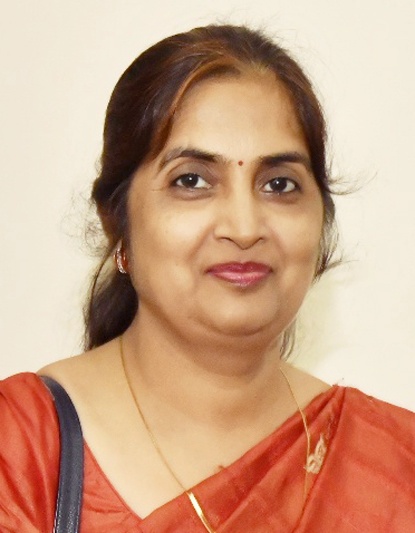
Arti Parganiha

@prsu.ac.in

Professor School of Studies in Life Science
Pandit Ravishankar Shukla University

RESEARCH, TEACHING, or OTHER INTERESTS

Multidisciplinary, Cancer Research, Physiology, Human Factors and Ergonomics
58

Scopus Publications

1839

Scholar Citations

15

Scholar h-index

28

Scholar i10-index

Scopus Publications

  • Investigating object orientation effects across 18 languages
    Sau-Chin Chen, Erin M. Buchanan, Zoltan Kekecs, Jeremy K. Miller, Anna Szabelska, Balazs Aczel, Pablo Bernabeu, Patrick Forscher, Attila Szuts, Zahir Vally, Ali H. Al-Hoorie, Mai Helmy, Caio Santos Alves da Silva, Luana Oliveira da Silva, Yago Luksevicius de Moraes, Rafael Ming Chi Santos Hsu, Anthonieta Looman Mafra, Jaroslava V. Valentova, Marco Antonio Correa Varella, Barnaby Dixson, Kim Peters, Nik Steffens, Omid Ghasemi, Andrew Roberts, Robert M. Ross, Ian D. Stephen, Marina Milyavskaya, Kelly Wang, Kaitlyn M. Werner, Dawn Liu Holford, Miroslav Sirota, Thomas Rhys Evans, Dermot Lynott, Bethany M. Lane, Danny Riis Sahlholdt, Glenn P. Williams, Chrystalle B. Y. Tan, Alicia Foo, Steve M. J. Janssen, Nwadiogo Chisom Arinze, Izuchukwu Lawrence Gabriel Ndukaihe, David Moreau, Brianna Jurosic, Brynna Leach, Savannah Lewis, Peter R. Mallik, Kathleen Schmidt, William J. Chopik, Leigh Ann Vaughn, Manyu Li, Carmel A. Levitan, Daniel Storage, Carlota Batres, Tyler McGee, Janina Enachescu, Jerome Olsen, Martin Voracek, Claus Lamm, Ekaterina Pronizius, Tilli Ripp, Jan Philipp Röer, Roxane Schnepper, Marietta Papadatou-Pastou, Aviv Mokady, Niv Reggev, Priyanka Chandel, Pratibha Kujur, Babita Pande, Arti Parganiha, Noorshama Parveen, Sraddha Pradhan, Margaret Messiah Singh, Max Korbmacher, Jonas R. Kunst, Christian K. Tamnes, Frederike S. Woelfert, Kristoffer Klevjer, Sarah E. Martiny, Gerit Pfuhl, Sylwia Adamus, Krystian Barzykowski, Katarzyna Filip, Patrícia Arriaga, Vasilije Gvozdenović, Vanja Ković, Fei Gao, Jingxiang Li, Jozef Bavoľár, Monika Hricová, Pavol Kačmár, Matúš Adamkovič, Peter Babinčák, Gabriel Baník, Ivan Ropovik, Danilo Zambrano Ricaurte, Sara Álvarez-Solas, Harry Manley, Panita Suavansri, Chun-Chia Kung, Belemir Çoktok, Asil Ali Özdoğru, Çağlar Solak, Sinem Söylemez, Sami Çoksan, İlker Dalgar, Mahmoud Elsherif, Martin Vasilev, Vinka Mlakic, Elisabeth Oberzaucher, Stefan Stieger, Selina Volsa, Erica D. Musser, Janis Zickfeld, Christopher R. Chartier
    Current Psychology, 2025
    Abstract Mental simulation theories of language comprehension propose that people automatically create mental representations of objects mentioned in sentences. Mental representation is often measured with the sentence-picture verification task, wherein participants first read a sentence that implies the object property (i.e., shape and orientation). Participants then respond to an image of an object by indicating whether it was an object from the sentence or not. Previous studies have shown matching advantages for shape, but findings concerning object orientation have not been robust across languages. This registered report investigated the match advantage of object orientation across 18 languages in nearly 4,000 participants. The preregistered analysis revealed no compelling evidence for a match advantage for orientation across languages. Additionally, the match advantage was not predicted by mental rotation scores. In light of these findings, we discuss the implications for current theory and methodology surrounding mental simulation.
  • Multi-region investigation of 'man' as default in attitudes
    Curtis Edward Phills, Jeremy K. Miller, Erin M. Buchanan, Amanda Williams, Chanel Meyers, Elizabeth R. Brown, Janis Zickfeld, Selina Volsa, Stefan Stieger, Elisabeth Oberzaucher, Vinka Mlakic, Martin Vasilev, İlker Dalgar, Sami Çoksan, Sinem Söylemez, Çağlar Solak, Asil Ali Özdoğru, Belemir Çoktok, Chun-Chia Kung, Panita Suavansri, Harry Manley, Sara Álvarez-Solas, Danilo Zambrano Ricaurte, Ivan Ropovik, Gabriel Baník, Peter Babinčák, Matúš Adamkovič, Pavol Kačmár, Monika Hricová, Jozef Bavoľár, Lisa Li, Fei Gao, Zhong Chen, Vanja Ković, Vasilije Gvozdenović, Patrícia Arriaga, Katarzyna Filip, Krystian Barzykowski, Sylwia Adamus, Gerit Pfuhl, Sarah E. Martiny, Kristoffer Klevjer, Frederike S. Woelfert, Christian K. Tamnes, Jonas R. Kunst, Max Korbmacher, Margaret Messiah Singh, Sraddha Pradhan, Noorshama Parveen, Arti Parganiha, Babita Pande, Pratibha Kujur, Priyanka Chandel, Niv Reggev, Aviv Mokady, Marietta Papadatou-Pastou, Roxane Schnepper, Jan Philipp Röer, Tilli Ripp, Ekaterina Pronizius, Claus Lamm, Martin Voracek, Jerome Olsen, Janina Enachescu, Carlota Batres, Daniel Storage, Carmel A. Levitan, Manyu Li, Leigh Ann Vaughn, William J. Chopik, Kathleen Schmidt, Peter R. Mallik, Savannah Lewis, Brynna Leach, Brianna Jurosic, David Moreau, Izuchukwu Lawrence Gabriel Ndukaihe, Nwadiogo Chisom Arinze, Steve M. J. Janssen, Alicia Foo, Chrystalle B. Y. Tan, Glenn P. Williams, Danny Riis, Bethany M. Lane, Dermot Lynott, Thomas Rhys Evans, Miroslav Sirota, Dawn L. Holford, Kaitlyn M. Werner, Kelly Wang, Marina Milyavskaya, Ian D. Stephen, Robert M. Ross, Andrew Roberts, Omid Ghasemi, Niklas K. Steffens, Kim Peters, Barnaby Dixson, Marco Antonio Correa Varella, Jaroslava V. Valentova, Anthonieta Looman Mafra, Rafael Ming Chi Santos Hsu, Yago Luksevicius de Moraes, Luana Oliveira da Silva, Caio Santos Alves da Silva, Mai Helmy, Mariah Balderrama, Ali H. Al-Hoorie, Tyler McGee, Zahir Vally, Attila Szuts, Patrick Forscher, Pablo Bernabeu, Balazs Aczel, Anna Szabelska, Sau-Chin Chen, Christopher R. Chartier, Zoltan Kekecs
    Plos One, 2025
    Previous research has studied the extent to which men are the default members of social groups in terms of memory, categorization, and stereotyping, but not attitudes which is critical because of attitudes’ relationship to behavior. Results from our survey (N > 5000) collected via a globally distributed laboratory network in over 40 regions demonstrated that attitudes toward Black people and politicians had a stronger relationship with attitudes toward the men rather than the women of the group. However, attitudes toward White people had a stronger relationship with attitudes toward White women than White men, whereas attitudes toward East Asian people, police officers, and criminals did not have a stronger relationship with attitudes toward either the men or women of each respective group. Regional agreement with traditional gender roles was explored as a potential moderator. These findings have implications for understanding the unique forms of prejudice women face around the world.
  • Chronobiology: Circadian Rhythm and Cancer
    Richa Pathak, Nisha Singh, Arti Parganiha
    Animal Behavior in the Tropics Vertebrates, 2025
  • Annual rhythm in immune functions of blood leucocytes in an ophidian, Natrix piscator
    Alka Singh, Ramesh Singh, Arti Parganiha, Manish Kumar Tripathi
    Scientific Reports, 2024
    Annual variations in animal’s physiological functions are an essential strategy to deal with seasonal challenges which also vary according to the time of year. Information regarding annual adaptations in the immune-competence to cope with seasonal stressors in reptiles is scarce. The present research plan was designed to analyze the presence of circannual immune rhythms in defense responses of the leucocytes in an ophidian, Natrix piscator. Peripheral blood leucocytes were obtained, counted, and superoxide anion production, neutrophil phagocytosis, and nitrite release were tested to assess the innate immune functions. Peripheral blood lymphocytes were separated by centrifugation (utilizing density gradient) and the cell proliferation was measured. The Cosinor rhythmometry disclosed the presence of significant annual rhythms in the number of leucocytes, superoxide anion production, nitric oxide production, and proliferation of stimulated lymphocytes. The authors found that respiratory burst activity and proliferative responses of lymphocytes were crucial immune responses that showed the annual rhythm. It was summarized that the immune function of the N. piscator is a labile attribute that makes the animal competent to cope with the seasonal stressor by adjustment in the potency of response.
  • Effects of high and low temperatures on the rhythmic patterns in pit-building behavior of antlion larvae
    Priyanka Chakradhari, Bhupendra Kumar Sahu, Atanu Kumar Pati, Arti Parganiha
    Chronobiology International, 2024
    Temperature influences the survival, growth, and development of insects including the antlion. In the present study, we examined the 24-h rhythm in the pit-building behavior of the antlion larvae at three different temperature conditions, high (37°C), low (17°C), and room temperature (Control: 25.9 ± 0.2°C). We recorded pit-building activities by monitoring two variables: the Time Lag for the Initiation of Pit Reconstruction (TLIPR) after the demolition of the pit, and the Total Time for Pit Construction (TTPC). We monitored TLIPR and TTPC at four different time points with equidistant intervals (i.e. 08:00–10:00 h, 14:00–16:00 h, 20:00–22:00 h, and 02:00–04:00 h) each day over three consecutive days. We employed single Cosinor rhythmometry to evaluate the characteristics of 24-h rhythm in TLIPR and TTPC. We used one-way ANOVA to find out the effects of the temperature on TLIPR and TTPC. We detected a statistically significant 24-h rhythm in TLIPR at the group level, irrespective of the temperature conditions. 24-h rhythm in TTPC was abolished at high and low temperatures. Temperature significantly affected TLIPR and TTPC in general. It also significantly affected the mesor of the rhythms in both variables as well as the amplitude of TTPC. Finally, we noted that although high and low temperatures affected the pit-building behavior in general, the thermal conditions did not lead to a complete cessation of pit-building activities. The 24-h rhythmic pattern associated with TTPC is more susceptible to the effects of thermal regimes (17°C or 37°C) unlike that associated with TLIPR.
  • Circadian rhythm in sportspersons and athletic performance: A mini review
    Sraddha Pradhan, Arti Parganiha, C. D. Agashe, Atanu Kumar Pati
    Chronobiology International, 2024
    Circadian rhythms in the physiological and behavioral processes of humans play a crucial role in the quality of living and also in the magnitude of success and failure in various endeavors including competitive sports. The rhythmic activities of the body and performance in sportspersons do have a massive impact on their every cutthroat competition. It is essential to schedule sports activities and training of players according to their circadian typology and time of peak performance for improved performance and achievement. In this review, the focus is on circadian rhythms and diurnal variations in peak athletic performance in sportspersons. Accuracy and temporal variability in peak performance in an individual could be attributed to various factors, namely chronotype, time of the day, body temperature, jetlag, hormones, and prior light exposure. Circadian rhythm of mood, alertness, T-core, and ultimately athletic performance is not only affected by sleep but also by circadian variations in hormones, such as cortisol, testosterone, and melatonin. There are, however, a few reports that are not consistent with the conclusions drawn in this review. Nevertheless, circadian rhythm and performance among sportspersons and athletes are important areas of research. This review might be useful to the managers and policymakers associated with competitive sports and athletic events.
  • Cognitive correlates of circadian rhythm and sleep-wake behaviour in chronic obstructive pulmonary disease patients
    Babita Pande, Meenakshi Sinha, Ramanjan Sinha, Ajoy Kumar Behera, Arti Parganiha, Rachita Nanda, Lokesh Kumar Singh
    Chronobiology International, 2024
    Chronic obstructive pulmonary disease (COPD) patients often experience reduced physical activity, sleep disturbances, and cognitive impairment. However, reports on measurement of rest-activity rhythm and sleep-wake behavior and their impact on cognitive functions in COPD patients are limited. This study aimed to objectively measure circadian rhythms (rest-activity and ambient illuminance) and sleep behaviors in clinically stable COPD patients and their relationship with cognitive functions. The study involved 65 male COPD patients and 50 age-matched controls, monitored over 3-7 days using actigraphy. Cognitive status was assessed using the Montreal Cognitive Assessment (MoCA) followed by short interbal time estimation via time production and reproduction with reaction time measurement using TimeProd software. Findings indicated significant disruptions in circadian rhythms in COPD patients, characterized by lower mesor, amplitude, and autocorrelation coefficients compared to controls. Patients also reported poorer sleep quality and higher sleep fragmentation, with 85.7% displaying cognitive impairment. Notably, longer time estimations, increased variability in task performance, and slower reaction times suggested cognitive deterioration. Positive correlations emerged between rhythm parameters (amplitude and circadian quotient) and cognitive performance metrics. This highlights the relevance of circadian and sleep disturbances in COPD, suggesting that addressing these rhythms could help mitigate cognitive decline, potentially through chronotherapeutic strategies.
  • Intra- and interspecific interactions in the Indian urban ecosystem with special reference to street cattle as the pivot
    Bhupendra Kumar Sahu, Atanu Kumar Pati, Arti Parganiha
    Urban Ecosystems, 2023
  • International e-Delphi Consensus Recommendations for the Assessment and Diagnosis of Circadian rest–Activity Rhythm Disorders (CARDs) in Patients with Cancer
    Craig Gouldthorpe, Sonia Ancoli-Israel, Elizabeth Cash, Pasquale Innominato, Gunnhild Jakobsen, Francis Lévi, Christine Miaskowski, Arti Parganiha, Atanu Kumar Pati, Deidre Pereira, Victoria Revell, Jamie M. Zeitzer, Andrew Davies
    Cancers, 2023
    Purpose: Circadian rest–Activity Rhythm Disorders (CARDs) are common in patients with cancer, particularly in advanced disease. CARDs are associated with increased symptom burden, poorer quality of life, and shorter survival. Research and reporting practices lack standardization, and formal diagnostic criteria do not exist. This electronic Delphi (e-Delphi) study aimed to formulate international recommendations for the assessment and diagnosis of CARDs in patients with cancer. Methods: An international e-Delphi was performed using an online platform (Welphi). Round 1 developed statements regarding circadian rest–activity rhythms, diagnostic criteria, and assessment techniques. Rounds 2 and 3 involved participants rating their level of agreement with the statements and providing comments until consensus (defined internally as 67%) and stability between rounds were achieved. Recommendations were then created and distributed to participants for comments before being finalized. Results: Sixteen participants from nine different clinical specialties and seven different countries, with 5–35 years of relevant research experience, were recruited, and thirteen participants completed all three rounds. Of the 164 generated statements, 66% achieved consensus, and responses were stable between the final two rounds. Conclusions: The e-Delphi resulted in international recommendations for assessing and diagnosing CARDs in patients with cancer. These recommendations should ensure standardized research and reporting practices in future studies.
  • Consequences and factors associated with OSA: a brief review
    Noorshama Parveen, Arti Parganiha
    Biological Rhythm Research, 2023
    Obstructive sleep apnea (OSA) is a sleep-related breathing disorder. It occurs due to obstruction on the upper airway of respiration. This disorder can be either complete (apnea) or partial (hypopnea). Interruption in breathing results in the production of a snoring sound, which is one of the prominent symptoms of OSA. Excessive daytime sleepiness (EDS), hypertension, diabetes, etc. are some of the commonly occurring co-morbidities of OSA. OSA is common in the population of middle-aged and elderly people, but pediatric OSA is also eminent. The occurrence of the disease is higher in males. The increasing age, male gender, higher BMI, and comorbidities, such as metabolic syndrome, and obesity are considered as risk factors and make individuals more prone to OSA. The quality of life (Qol) of the individuals also gets affected by the OSA. It also alters the circadian rhythm of various autonomic and biochemical activities of people with OSA. Although polysomnography is considered the gold standard for the diagnosis of OSA, it is very costly and time-consuming. There are many portable monitoring devices and screening questionnaires for the diagnosis of OSA. Screening of OSA before polysomnography or portable monitoring is cost-effective, quick, and productive. In this review, we have highlighted scientific studies related to various factors associated with OSA in human subjects.
  • Screening of Obstructive Sleep Apnea (OSA) Risk and Study of Its Predictors in a Population of Adult Indians
    Noorshama Parveen, Babita Pande, Atanu Kumar Pati, Arti Parganiha
    Sleep and Vigilance, 2022
  • Determination of short-interval time estimates in humans exposed to radiofrequency electromagnetic radiation
    , P. Chandel, M.M. Singh, , A.K. Pati, , V. Choudhary, , A. Parganiha, and
    Journal of Environmental Biology, 2022
  • Predictive role of socio-demographic and chronotype on health-related quality of life of cancer patients from southeastern India
    Armiya Sultan, Saba Taj, Vivek Choudhary, Arti Parganiha
    Biological Rhythm Research, 2022
  • Does exposure to radiofrequency radiation (RFR) affect the circadian rhythm of rest-activity patterns and behavioral sleep variables in humans?
    Margaret Messiah Singh, Priyanka Chandel, Atanu Pati, Arti Parganiha
    Biological Rhythm Research, 2022
  • Circadian rhythm in the pattern of online usage of Facebook messenger during the COVID-19-triggered lockdown: a sequel to the pre-pandemic study
    Rakesh Kumar Swain, Sarojini Minz, Arti Parganiha, Ananya Diwan, Atanu Kumar Pati
    Biological Rhythm Research, 2022
  • Ultradian, circadian, and circaseptan rhythms in the patterns of usage of Facebook messenger
    Ananya Diwan, Rakesh Kumar Swain, Sarojini Minz, Arti Parganiha, Atanu Kumar Pati
    Biological Rhythm Research, 2022
  • Circannual production rhythms of seven commercially important fishes in the Chilika lagoon
    Prasanti Mishra, Amita Kumari Mohanty, Rakesh Kumar Swain, Arti Parganiha, Atanu Kumar Pati
    Biological Rhythm Research, 2022
  • Active Exploration of Faces in Police Lineups Increases Discrimination Accuracy
    Melissa F. Colloff, Heather D. Flowe, Harriet M. J. Smith, Travis M. Seale-Carlisle, Christian A. Meissner, James C. Rockey, Babita Pande, Pratibha Kujur, Noorshama Parveen, Priyanka Chandel, Margaret M. Singh, Sraddha Pradhan, Arti Parganiha
    American Psychologist, 2022
  • A population estimation study reveals a staggeringly high number of cattle on the streets of urban Raipur in India
    Bhupendra Kumar Sahu, Arti Parganiha, Atanu Kumar Pati
    Plos One, 2021
  • Locomotor activity rhythm in catfish Heteropneustes fossilis as a function of shoal size under different light regimens
    Pratibha Kujur, Atanu Kumar Pati, Arti Parganiha
    Chronobiology International, 2021
  • Short- and long-duration exposures to cell-phone radiofrequency waves produce dichotomous effects on phototactic response and circadian characteristics of locomotor activity rhythm in zebrafish, Danio rerio
    Shikha Malik, Atanu Kumar Pati, Arti Parganiha
    Biological Rhythm Research, 2021
  • Circadian clock modulating small molecules repurposing as inhibitors of SARS-CoV-2 Mpro for pharmacological interventions in COVID-19 pandemic
    Armiya Sultan, Rafat Ali, Tahira Sultan, Sher Ali, Nida Jamil Khan, Arti Parganiha
    Chronobiology International, 2021
  • Circadian rhythmicity of heart rate variability and its impact on cardiac autonomic modulation in asthma
    Meenakshi Sinha, Ajoy K. Behera, Ramanjan Sinha, Arti Parganiha, Babita Pande, Richa Sharma, Atanu K Pati
    Chronobiology International, 2021
  • To which world regions does the valence–dominance model of social perception apply?
    Benedict C. Jones, Lisa M. DeBruine, Jessica K. Flake, Marco Tullio Liuzza, Jan Antfolk, Nwadiogo C. Arinze, Izuchukwu L. G. Ndukaihe, Nicholas G. Bloxsom, Savannah C. Lewis, Francesco Foroni, Megan L. Willis, Carmelo P. Cubillas, Miguel A. Vadillo, Enrique Turiegano, Michael Gilead, Almog Simchon, S. Adil Saribay, Nicholas C. Owsley, Chaning Jang, Georgina Mburu, Dustin P. Calvillo, Anna Wlodarczyk, Yue Qi, Kris Ariyabuddhiphongs, Somboon Jarukasemthawee, Harry Manley, Panita Suavansri, Nattasuda Taephant, Ryan M. Stolier, Thomas R. Evans, Judson Bonick, Jan W. Lindemans, Logan F. Ashworth, Amanda C. Hahn, Coralie Chevallier, Aycan Kapucu, Aslan Karaaslan, Juan David Leongómez, Oscar R. Sánchez, Eugenio Valderrama, Milena Vásquez-Amézquita, Nandor Hajdu, Balazs Aczel, Peter Szecsi, Michael Andreychik, Erica D. Musser, Carlota Batres, Chuan-Peng Hu, Qing-Lan Liu, Nicole Legate, Leigh Ann Vaughn, Krystian Barzykowski, Karolina Golik, Irina Schmid, Stefan Stieger, Richard Artner, Chiel Mues, Wolf Vanpaemel, Zhongqing Jiang, Qi Wu, Gabriela M. Marcu, Ian D. Stephen, Jackson G. Lu, Michael C. Philipp, Jack D. Arnal, Eric Hehman, Sally Y. Xie, William J. Chopik, Martin Seehuus, Soufian Azouaghe, Abdelkarim Belhaj, Jamal Elouafa, John P. Wilson, Elliott Kruse, Marietta Papadatou-Pastou, Anabel De La Rosa-Gómez, Alan E. Barba-Sánchez, Isaac González-Santoyo, Tsuyueh Hsu, Chun-Chia Kung, Hsiao-Hsin Wang, Jonathan B. Freeman, Dong Won Oh, Vidar Schei, Therese E. Sverdrup, Carmel A. Levitan, Corey L. Cook, Priyanka Chandel, Pratibha Kujur, Arti Parganiha, Noorshama Parveen, Atanu Kumar Pati, Sraddha Pradhan, Margaret M. Singh, Babita Pande, Jozef Bavolar, Pavol Kačmár, Ilya Zakharov, Sara Álvarez-Solas, Ernest Baskin, Martin Thirkettle, Kathleen Schmidt, Cody D. Christopherson, Trinity Leonis, Jordan W. Suchow, Jonas K. Olofsson, Teodor Jernsäther, Ai-Suan Lee, Jennifer L. Beaudry, Taylor D. Gogan, Julian A. Oldmeadow, Benjamin Balas, Laura M. Stevens, Melissa F. Colloff, Heather D. Flowe, Sami Gülgöz, Mark J. Brandt, Karlijn Hoyer, Bastian Jaeger, Dongning Ren, Willem W. A. Sleegers, Joeri Wissink, Gwenaël Kaminski, Victoria A. Floerke, Heather L. Urry, Sau-Chin Chen, Gerit Pfuhl, Zahir Vally, Dana M. Basnight-Brown, Hans I. Jzerman, Elisa Sarda, Lison Neyroud, Touhami Badidi, Nicolas Van der Linden, Chrystalle B. Y. Tan, Vanja Kovic, Waldir Sampaio, Paulo Ferreira, Diana Santos, Debora I. Burin, Gwendolyn Gardiner, John Protzko, Christoph Schild, Karolina A. Ścigała, Ingo Zettler, Erin M. O’Mara Kunz, Daniel Storage, Fieke M. A. Wagemans, Blair Saunders, Miroslav Sirota, Guyan V. Sloane, Tiago J. S. Lima, Kim Uittenhove, Evie Vergauwe, Katarzyna Jaworska, Julia Stern, Karl Ask, Casper J. J. van Zyl, Anita Körner, Sophia C. Weissgerber, Jordane Boudesseul, Fernando Ruiz-Dodobara, Kay L. Ritchie, Nicholas M. Michalak, Khandis R. Blake, David White, Alasdair R. Gordon-Finlayson, Michele Anne, Steve M. J. Janssen, Kean Mun Lee, Tonje K. Nielsen, Christian K. Tamnes, Janis H. Zickfeld, Anna Dalla Rosa, Michelangelo Vianello, Ferenc Kocsor, Luca Kozma, Ádám Putz, Patrizio Tressoldi, Natalia Irrazabal, Armand Chatard, Samuel Lins, Isabel R. Pinto, Johannes Lutz, Matus Adamkovic, Peter Babincak, Gabriel Baník, Ivan Ropovik, Vinet Coetzee, Barnaby J. W. Dixson, Gianni Ribeiro, Kim Peters, Niklas K. Steffens, Kok Wei Tan, Christopher A. Thorstenson, Ana Maria Fernandez, Rafael M. C. S. Hsu, Jaroslava V. Valentova, Marco A. C. Varella, Nadia S. Corral-Frías, Martha Frías-Armenta, Javad Hatami, Arash Monajem, MohammadHasan Sharifian, Brooke Frohlich, Hause Lin, Michael Inzlicht, Ravin Alaei, Nicholas O. Rule, Claus Lamm, Ekaterina Pronizius, Martin Voracek, Jerome Olsen, Erik Mac Giolla, Aysegul Akgoz, Asil A. Özdoğru, Matthew T. Crawford, Brooke Bennett-Day, Monica A. Koehn, Ceylan Okan, Tripat Gill, Jeremy K. Miller, Yarrow Dunham, Xin Yang, Sinan Alper, Martha Lucia Borras-Guevara, Sun Jun Cai, Dong Tiantian, Alexander F. Danvers, David R. Feinberg, Marie M. Armstrong, Eva Gilboa-Schechtman, Randy J. McCarthy, Jose Antonio Muñoz-Reyes, Pablo Polo, Victor K. M. Shiramazu, Wen-Jing Yan, Lilian Carvalho, Patrick S. Forscher, Christopher R. Chartier, Nicholas A. Coles
    Nature Human Behaviour, 2021
  • Behavior and foraging ecology of cattle: A review
    Bhupendra Kumar Sahu, Arti Parganiha, Atanu Kumar Pati
    Journal of Veterinary Behavior, 2020
  • Patterns in prawn production across space and time–based on the data emanated from Penaeus monodon and Fenneropenaeus indicus inhabiting the brackish water Chilika lagoon in the Bay of Bengal
    Prasanti Mishra, Amita Kumari Mohanty, Arti Parganiha, Atanu Kumar Pati
    Biological Rhythm Research, 2020
  • Time-of-day and seasonal variations in foraging behavior of street cattle of urban Raipur, India
    Bhupendra Kumar Sahu, Arti Parganiha, Atanu Kumar Pati
    Biological Rhythm Research, 2020
  • Repeated chemotherapy cycles produced progressively worse and enduring impairments in the sleep–wake profile of hospitalized breast cancer patients
    Armiya Sultan, Atanu Kumar Pati, Vivek Choudhary, Arti Parganiha
    Biological Rhythm Research, 2020
  • Spatiotemporal variability in activity patterns of urban street cattle as function of environmental factors
    Bhupendra Kumar Sahu, Arti Parganiha, Atanu Kumar Pati
    Chronobiology International, 2019
  • Hospitalization-induced exacerbation of the ill effects of chemotherapy on rest-activity rhythm and quality of life of breast cancer patients: a prospective and comparative cross-sectional follow-up study
    Armiya Sultan, Atanu Kumar Pati, Vivek Choudhary, Arti Parganiha
    Chronobiology International, 2018
  • Shortening of sleep length and delayed mid-sleep on free days are the characteristic features of predominantly morning active population of Indian teenagers
    Babita Pande, Noorshama Parveen, Arti Parganiha, Atanu Kumar Pati
    Sleep and Biological Rhythms, 2018
  • Circadian rhythm characteristics of salivary alpha-amylase–a potential stress marker, in breast cancer in- and out-patients: a follow-up study
    Armiya Sultan, Atanu Kumar Pati, Vivek Chaudhary, Arti Parganiha
    Biological Rhythm Research, 2018
  • The psychological science accelerator: Advancing psychology through a distributed collaborative network
    Hannah Moshontz, Lorne Campbell, Charles R. Ebersole, Hans IJzerman, Heather L. Urry, Patrick S. Forscher, Jon E. Grahe, Randy J. McCarthy, Erica D. Musser, Jan Antfolk, Christopher M. Castille, Thomas Rhys Evans, Susann Fiedler, Jessica Kay Flake, Diego A. Forero, Steve M. J. Janssen, Justin Robert Keene, John Protzko, Balazs Aczel, Sara Álvarez Solas, Daniel Ansari, Dana Awlia, Ernest Baskin, Carlota Batres, Martha Lucia Borras-Guevara, Cameron Brick, Priyanka Chandel, Armand Chatard, William J. Chopik, David Clarance, Nicholas A. Coles, Katherine S. Corker, Barnaby James Wyld Dixson, Vilius Dranseika, Yarrow Dunham, Nicholas W. Fox, Gwendolyn Gardiner, S. Mason Garrison, Tripat Gill, Amanda C. Hahn, Bastian Jaeger, Pavol Kačmár, Gwenaël Kaminski, Philipp Kanske, Zoltan Kekecs, Melissa Kline, Monica A. Koehn, Pratibha Kujur, Carmel A. Levitan, Jeremy K. Miller, Ceylan Okan, Jerome Olsen, Oscar Oviedo-Trespalacios, Asil Ali Özdoğru, Babita Pande, Arti Parganiha, Noorshama Parveen, Gerit Pfuhl, Sraddha Pradhan, Ivan Ropovik, Nicholas O. Rule, Blair Saunders, Vidar Schei, Kathleen Schmidt, Margaret Messiah Singh, Miroslav Sirota, Crystal N. Steltenpohl, Stefan Stieger, Daniel Storage, Gavin Brent Sullivan, Anna Szabelska, Christian K. Tamnes, Miguel A. Vadillo, Jaroslava V. Valentova, Wolf Vanpaemel, Marco A. C. Varella, Evie Vergauwe, Mark Verschoor, Michelangelo Vianello, Martin Voracek, Glenn P. Williams, John Paul Wilson, Janis H. Zickfeld, Jack D. Arnal, Burak Aydin, Sau-Chin Chen, Lisa M. DeBruine, Ana Maria Fernandez, Kai T. Horstmann, Peder M. Isager, Benedict Jones, Aycan Kapucu, Hause Lin, Michael C. Mensink, Gorka Navarrete, Miguel A. Silan, Christopher R. Chartier
    Advances in Methods and Practices in Psychological Science, 2018
  • Worsening of rest-activity circadian rhythm and quality of life in female breast cancer patients along progression of chemotherapy cycles
    Armiya Sultan, Vivek Choudhary, Arti Parganiha
    Chronobiology International, 2017
  • Circadian clock, cell cycle, and breast cancer: an updated review
    Armiya Sultan, Arti Parganiha, Tahira Sultan, Vivek Choudhary, Atanu Kumar Pati
    Biological Rhythm Research, 2017
  • Monitoring of rest-activity rhythm in cancer patients paves the way for the adoption of patient-specific chronotherapeutic approach
    Armiya Sultan, Vivek Choudhary, Arti Parganiha
    Biological Rhythm Research, 2017
  • Validation of the Hindi version of the Multidimensional Fatigue Inventory-20 (MFI-20) in Indian cancer patients
    Priyanka Chandel, Armiya Sultan, Khan Abraruzzaman Khan, Vivek Choudhary, Arti Parganiha
    Supportive Care in Cancer, 2015
  • The difference between in bed and out of bed activity as a behavioral marker of cancer patients: A comparative actigraphic study
    Vincenzo Natale, Pasquale F. Innominato, Michele Boreggiani, Lorenzo Tonetti, Marco Filardi, Arti Parganiha, Marco Fabbri, Monica Martoni, Francis Lévi
    Chronobiology International, 2015
  • Day length and evening temperature predict circannual variation in activity duration of the colony of the Indian cliff swallow, Hirundo fluvicola
    Arati Singh, Shrutika Kankariya, Atanu Kumar Pati, Arti Parganiha
    Biological Rhythm Research, 2015
  • Wrist actimetry circadian rhythm as a robust predictor of colorectal cancer patients survival
    Francis Lévi, Pierre-Antoine Dugué, Pasquale Innominato, Abdoulaye Karaboué, Garance Dispersyn, Arti Parganiha, Sylvie Giacchetti, Thierry Moreau, Christian Focan, Jim Waterhouse, David Spiegel, on behalf of the ARTBC Chronotherapy Group
    Chronobiology International, 2014
  • Short-duration judgment in young Indian subjects under 30 h constant wakefulness
    Indian Journal of Experimental Biology, 2014
  • Effect of hospitalization on rest-activity rhythm and quality of life of cancer patients
    Indian Journal of Experimental Biology, 2014
  • Interval timing as function of methods of estimation - A study on cohorts of young Indians
    Babita Pande, Radhika D. Shindey, Arti Parganiha, Atanu Kumar Pati
    Biological Rhythm Research, 2013
  • Temporal profiles of physical activity and energy expenditure in cancer in-patients
    Saba Taj, Vivek Choudhary, Arti Parganiha
    Biological Rhythm Research, 2013
  • Non-auditory effect of community noise on interval timing in humans: An exploration
    Babita Pande, Gajanan Rathod, Nishtha Vaidya, Chaynika Nag, Arti Parganiha, Atanu Kumar Pati
    Biological Rhythm Research, 2012
  • Circadian variability and nocturnal dipping pattern in blood pressure in young normotensive subjects
    Nishtha Vaidya, Atanu Kumar Pati, Arti Parganiha
    Biological Rhythm Research, 2012
  • Comparison of distributions of morningness-eveningness among populations of shift workers on varied work patterns in different organizations
    K. Venu Achari, Atanu Kumar Pati, Arti Parganiha
    Biological Rhythm Research, 2012
  • Subterranean fishes of India
    Biology of Subterranean Fishes, 2010
  • Permanent night work alters characteristics of circadian rhythm of rest-activity in human subjects
    Rakesh Kumar Soni, Parmita Dubey, Anjana Kar, Arti Parganiha, Rohit Kumar Pradhan, Atanu Kumar Pati
    Biological Rhythm Research, 2008
  • Dichotomy in human population based on variability in peak spread of rest-activity rhythm in respect of internal phase reference point
    Razia Sultana, Nishtha Vaidya, Arti Parganiha, Atanu Kumar Pati
    Biological Rhythm Research, 2008
  • Alterations of the characteristics of the circadian rest-activity rhythm of cancer in-patients
    Atanu Kumar Pati, Arti Parganiha, Anjana Kar, Rakesh Soni, Sushmita Roy, Vivek Choudhary
    Chronobiology International, 2007
  • Implications of the study of rest-activity circadian rhythm in head and neck cancer patients
    Atanu K. Pati, Arti Parganiha, Anjana Kar, Rakesh Soni, Sushmita Roy, Vivek Choudhary
    Biological Rhythm Research, 2006
  • The effects of frequent shutdowns of cement factory on circadian rhythms in subjective drowsiness, fatigue and attention of shift workers
    National Academy Science Letters, 2005
  • Shift work: Consequences and management
    Current Science, 2001
  • Assessment of anxiety level and mental health status in spouses and children of day-working and shift-working men
    Atanu Kumar Pati, Arti Chandrawanshi
    Biological Rhythm Research, 2001
  • Could Externally Desynchronized Circadian Rhythm Be Resynchronized in Shift Workers?
    Arti Chandrawanshi, Atanu Kumar Pati
    Biological Rhythm Research, 2000
  • Assessment of pulmonary function in young and elderly shift workers of a steel plant
    Ananya A. Gangopadhyay, Arti A. Chandrawanshi, Atanu Kumar A.K. Pati
    Biological Rhythm Research, 1998
  • Impairment of peak expiratory flow rate in shift workers
    Arti Chandrawanshi, Atanu Kumar Pati
    International Journal of Industrial Ergonomics, 1996

RECENT SCHOLAR PUBLICATIONS

  • Multi-region investigation of ‘man’as default in attitudes
    CE Phills, JK Miller, EM Buchanan, A Williams, C Meyers, ER Brown, ...
    Plos one 20 (6), e0323938 , 2025
    2025
    Citations: 2
  • Chronobiology: Circadian Rhythm and Cancer
    R Pathak, N Singh, A Parganiha
    Animal Behavior in the Tropics: Vertebrates, 69-97 , 2025
    2025
  • Cognitive correlates of circadian rhythm and sleep-wake behaviour in chronic obstructive pulmonary disease patients
    B Pande, M Sinha, R Sinha, AK Behera, A Parganiha, R Nanda, LK Singh
    Chronobiology International 41 (10), 1313-1327 , 2024
    2024
    Citations: 2
  • Annual rhythm in immune functions of blood leucocytes in an ophidian, Natrix piscator
    A Singh, R Singh, A Parganiha, MK Tripathi
    Scientific Reports 14 (1), 12157 , 2024
    2024
    Citations: 1
  • Time of the day variability in pit-building behavior of antlion larvae
    P Chakradhari, AK Pati, A Parganiha
    Journal of Ravishankar University 37 (1), 22-31 , 2024
    2024
    Citations: 1
  • Circadian rhythm in sportspersons and athletic performance: a mini review
    S Pradhan, A Parganiha, CD Agashe, AK Pati
    Chronobiology International 41 (2), 137-181 , 2024
    2024
    Citations: 25
  • Effects of high and low temperatures on the rhythmic patterns in pit-building behavior of antlion larvae
    P Chakradhari, BK Sahu, AK Pati, A Parganiha
    Chronobiology International 41 (2), 182-192 , 2024
    2024
  • Intra-and interspecific interactions in the Indian urban ecosystem with special reference to street cattle as the pivot
    BK Sahu, AK Pati, A Parganiha
    Urban Ecosystems 26 (6), 1829-1842 , 2023
    2023
  • International e-Delphi consensus recommendations for the assessment and diagnosis of Circadian rest–Activity Rhythm Disorders (CARDs) in patients with cancer
    C Gouldthorpe, S Ancoli-Israel, E Cash, P Innominato, G Jakobsen, F Lévi, ...
    Cancers 15 (15), 3784 , 2023
    2023
    Citations: 9
  • Consequences and factors associated with OSA: a brief review
    N Parveen, A Parganiha
    Biological Rhythm Research 54 (1), 1-40 , 2023
    2023
    Citations: 5
  • International e-Delphi Consensus Recommendations for the Assessment and Diagnosis of Circadian rest–Activity Rhythm Disorders (CARDs) in Patients with Cancer. Cancers 2023, 15 …
    C Gouldthorpe, S Ancoli-Israel, E Cash, P Innominato, G Jakobsen, F Lévi, ...
    2023
  • Screening of Obstructive Sleep Apnea (OSA) Risk and Study of Its Predictors in a Population of Adult Indians
    N Parveen, B Pande, AK Pati, A Parganiha
    Sleep and Vigilance 6 (2), 287-296 , 2022
    2022
  • Does exposure to radiofrequency radiation (RFR) affect the circadian rhythm of rest-activity patterns and behavioral sleep variables in humans?
    MM Singh, P Chandel, A Pati, A Parganiha
    Biological Rhythm Research 53 (9), 1414-1438 , 2022
    2022
    Citations: 8
  • Circadian rhythm in the pattern of online usage of Facebook messenger during the COVID-19-triggered lockdown: a sequel to the pre-pandemic study
    R Kumar Swain, S Minz, A Parganiha, A Diwan, AK Pati
    Biological Rhythm Research 53 (5), 801-811 , 2022
    2022
    Citations: 4
  • Time-of-day and seasonal variations in foraging behavior of street cattle of urban Raipur, India
    BK Sahu, A Parganiha, AK Pati
    Biological Rhythm Research 53 (5), 786-800 , 2022
    2022
    Citations: 5
  • Determination of short-interval time estimates in humans exposed to radiofrequency electromagnetic radiation
    P Chandel, MM Singh, AK Pati, V Choudhary, A Parganiha
    Journal of Environmental Biology 43 (3), 369-376 , 2022
    2022
  • Circannual production rhythms of seven commercially important fishes in the Chilika lagoon
    P Mishra, AK Mohanty, R Kumar Swain, A Parganiha, AK Pati
    Biological Rhythm Research 53 (3), 422-444 , 2022
    2022
    Citations: 4
  • Active exploration of faces in police lineups increases discrimination accuracy.
    MF Colloff, HD Flowe, HMJ Smith, TM Seale-Carlisle, CA Meissner, ...
    American Psychologist 77 (2), 196 , 2022
    2022
    Citations: 21
  • Ultradian, circadian, and circaseptan rhythms in the patterns of usage of Facebook messenger
    A Diwan, R Kumar Swain, S Minz, A Parganiha, AK Pati
    Biological Rhythm Research 53 (2), 341-349 , 2022
    2022
    Citations: 5
  • Locomotor activity rhythm in catfish Heteropneustes fossilis as a function of shoal size under different light regimens
    P Kujur, AK Pati, A Parganiha
    Chronobiology International 38 (12), 1726-1737 , 2021
    2021
    Citations: 3

MOST CITED SCHOLAR PUBLICATIONS

  • The Psychological Science Accelerator: Advancing Psychology through a Distributed Collaborative Network
    H Moshontz, L Campbell, CR Ebersole, A ........ Parganiha, et al.
    Advances in Methods and Practices in Psychological Science 1 (4), 501-515 , 2018
    2018
    Citations: 512
  • To which world regions does the valence–dominance model of social perception apply?
    BC Jones, LM DeBruine, JK Flake, MT Liuzza, J Antfolk, NC Arinze, ...
    Nature human behaviour 5 (1), 159-169 , 2021
    2021
    Citations: 273
  • Shift work: Consequences and management
    AK Pati, A Chandrawanshi, A Reinberg
    Current Science 81 (1), 32-52 , 2001
    2001
    Citations: 220
  • Wrist actimetry circadian rhythm as a robust predictor of colorectal cancer patients survival
    F Lévi, PA Dugué, P Innominato, A Karaboué, G Dispersyn, A Parganiha, ...
    Chronobiology international 31 (8), 891-900 , 2014
    2014
    Citations: 118
  • Alterations of the characteristics of the circadian rest‐activity rhythm of cancer in‐patients
    AK Pati, A Parganiha, A Kar, R Soni, S Roy, V Choudhary
    Chronobiology international 24 (6), 1179-1197 , 2007
    2007
    Citations: 81
  • Worsening of rest-activity circadian rhythm and quality of life in female breast cancer patients along progression of chemotherapy cycles
    A Sultan, V Choudhary, A Parganiha
    Chronobiology International 34, 609-623 , 2017
    2017
    Citations: 74
  • Circadian clock modulating small molecules repurposing as inhibitors of SARS-CoV-2 M pro for pharmacological interventions in COVID-19 pandemic
    A Sultan, R Ali, T Sultan, S Ali, NJ Khan, A Parganiha
    Chronobiology international 38 (7), 971-985 , 2021
    2021
    Citations: 44
  • The difference between in bed and out of bed activity as a behavioral marker of cancer patients: A comparative actigraphic study
    V Natale, PF Innominato, M Boreggiani, L Tonetti, M Filardi, A Parganiha, ...
    Chronobiology international 32 (7), 925-933 , 2015
    2015
    Citations: 40
  • Behavior and foraging ecology of cattle: A review
    BK Sahu, A Parganiha, AK Pati
    Journal of Veterinary Behavior 40, 50-74 , 2020
    2020
    Citations: 31
  • Validation of the Hindi version of the Multidimensional Fatigue Inventory-20 (MFI-20) in Indian cancer patients
    P Chandel, A Sultan, KA Khan, V Choudhary, A Parganiha
    Supportive Care in Cancer 23 (10), 2957-2964 , 2015
    2015
    Citations: 29
  • Hospitalization-induced exacerbation of the ill effects of chemotherapy on rest-activity rhythm and quality of life of breast cancer patients: a prospective and comparative …
    A Sultan, AK Pati, V Choudhary, A Parganiha
    Chronobiology international 35 (11), 1513-1532 , 2018
    2018
    Citations: 26
  • Circadian rhythm in sportspersons and athletic performance: a mini review
    S Pradhan, A Parganiha, CD Agashe, AK Pati
    Chronobiology International 41 (2), 137-181 , 2024
    2024
    Citations: 25
  • Active exploration of faces in police lineups increases discrimination accuracy.
    MF Colloff, HD Flowe, HMJ Smith, TM Seale-Carlisle, CA Meissner, ...
    American Psychologist 77 (2), 196 , 2022
    2022
    Citations: 21
  • Could Externally Desynchronized Circadian Rhythm Be Resynchronized in Shift Workers?
    A Chandrawanshi, AK Pati
    Biological Rhythm Research 31 (2), 160-176 , 2000
    2000
    Citations: 21
  • Effect of hospitalization on rest-activity rhythm and quality of life of cancer patients
    A Parganiha, S Taj, P Chandel, A Sultan, V Choudhary
    Indian Journal of Experimental Biology 52, 549-558 , 2014
    2014
    Citations: 16
  • Shortening of sleep length and delayed mid-sleep on free days are the characteristic features of predominantly morning active population of Indian teenagers
    B Pande, N Parveen, A Parganiha, AK Pati
    Sleep and Biological Rhythms 16 (4), 431-439 , 2018
    2018
    Citations: 15
  • Monitoring of rest-activity rhythm in cancer patients paves the way for the adoption of patient-specific chronotherapeutic approach
    A Sultan, V Choudhary, A Parganiha
    Biological Rhythm Research 48 (2), 189-205 , 2017
    2017
    Citations: 14
  • Circadian rhythm characteristics of salivary alpha-amylase–a potential stress marker, in breast cancer in-and out-patients: a follow-up study
    A Sultan, AK Pati, V Chaudhary, A Parganiha
    Biological Rhythm Research 49 (5), 680-696 , 2018
    2018
    Citations: 13
  • Circadian rhythmicity of heart rate variability and its impact on cardiac autonomic modulation in asthma
    M Sinha, AK Behera, R Sinha, A Parganiha, B Pande, R Sharma, AK Pati
    Chronobiology International 38 (11), 1631-1639 , 2021
    2021
    Citations: 12
  • Spatiotemporal variability in activity patterns of urban street cattle as function of environmental factors
    BK Sahu, A Parganiha, AK Pati
    Chronobiology international 36 (10), 1362–1372 , 2019
    2019
    Citations: 12